

Chronic wasting disease in wild game: What are the food security and safety concerns?

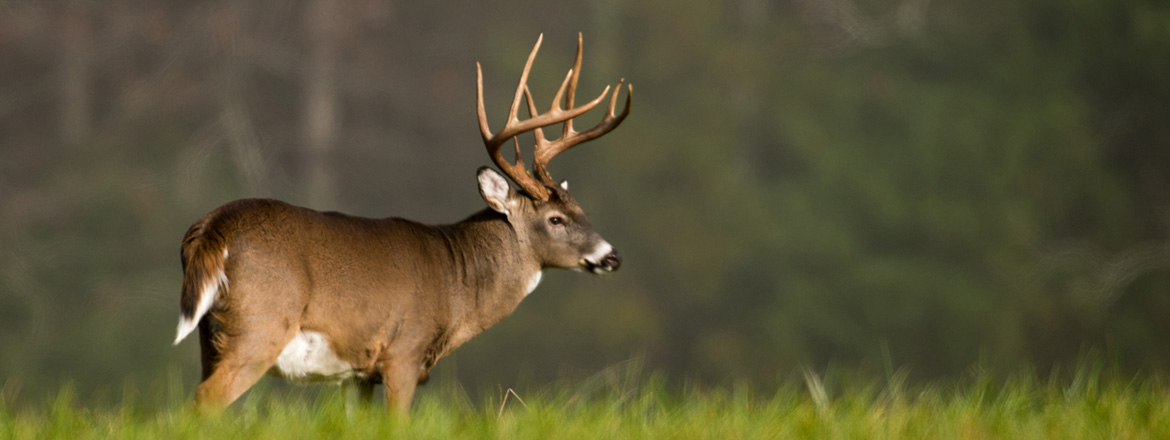
Chronic wasting disease (CWD) is a prion disease that causes fatal neurodegenerative illness in cervids, including deer, elk, moose, and reindeer. Its spread can significantly reduce the health and sustainability of wild and farmed herds. Individuals and communities for whom hunted-cervid meat is central to diets, culture, and livelihoods may also be impacted. Strategies to contain the spread of CWD are critical to protecting cervid populations and reducing opportunities for spillover to other species.
This blog outlines key facts about CWD in Canada, considers the food security and food safety concerns, and highlights essential CWD resources.
Background on CWD in Canada
CWD was first detected in North America in Colorado in 1967, and has since spread across many jurisdictions, affecting wild and farmed cervids. It has now been detected in 36 US states and five Canadian provinces.
In Canada, CWD was first detected in farmed elk in Saskatchewan in 1996 and soon after in wild deer, and later in elk and moose. Today it is detected widely in Saskatchewan and Alberta, primarily in mule deer and white-tailed deer. In Manitoba, CWD was first detected in wild deer in 2021 but is not currently widespread. Surveillance during the 2024-25 hunting season identified four cervids that tested positive of 3007 sampled. In British Columbia CWD was first detected in 2024, with nine confirmed cases in wild deer as of early 2026, all in the Kootenay region.
No other provinces or territories have detected CWD in wild cervids, and no cases have ever been identified in wild caribou. Eleven captive deer tested positive for CWD at a Quebec farm in 2018, and retrospective testing identified eight cases in captive deer at the Toronto Zoo (1976-81), likely linked to imported animals. No further cases have been detected in Ontario or Quebec, where active prevention and surveillance plans are in place.
What causes CWD in cervids?
CWD is caused by prions — infectious agents that cause normal proteins in the brain, spinal cord, lymph nodes, and other tissues to misfold. These can trigger transmissible spongiform encephalopathies (TSEs), which are rare, neurodegenerative, and fatal brain disorders. Very small quantities of prions can cause infection, and symptoms may not appear for several years.
Cervids can become infected with CWD through contact with infected live animals, carcasses, contaminated environments (e.g., plants, soil), or via vertical transmission from a mother to offspring. Infected cervids shed prions in feces and other bodily fluids (e.g., saliva and urine), into the environment, where prions can bind to soil and persist for months, resisting degradation by heat, UV, and desiccation. Environmental determinants can influence the persistence and spread of CWD, with landscape barriers such as dense forests, rivers, or mountains limiting animal movements. Soil properties such as pH or clay content can affect the retention of prions in the soil. More research is needed to understand the role of scavengers including birds and wild pigs in the spread of CWD within and outside of endemic areas.
Why is CWD a concern?

CWD is always fatal to infected cervids and is difficult to eradicate once established. It is a reportable disease in Canada and can cause population decline, disrupting ecosystems and increasing the risk of spillover between wild and farmed herds.
Cervid meat is an important protein source for many communities, including through hunting, food sharing, and donations of game meat. Losses of reliable protein sources can threaten food security and disrupt Indigenous food systems, and adversely impact culturally significant hunting traditions and crafting of cultural items from hunted animals. The hunting economy also supports jobs and regional economies. Commercial venison and elk are important game meat exports, and CWD can lead to financial losses due to the costs of depopulation and site decontamination for captive herds.
Is CWD a food safety risk?
There have been no confirmed cases of human prion disease caused by exposure to CWD, and current evidence suggests it is unlikely that CWD could cross the species barrier into humans. However concerns have been raised about the safety of consuming CWD-positive meat due to historical links between another TSE, bovine spongiform encephalopathy (BSE), commonly referred to as mad cow disease, in beef and variant Creutzfeldt-Jakob disease (vCJD) cases in humans. For these cases, symptoms of vCJD occurred on average 10 years after exposure to BSE-contaminated beef. CJD remains a rare disease, with fewer than 100 cases reported annually in Canada, though most of the (>85%) are sporadic with no clear source of infection.
Due to uncertainty about the risk of transmission to humans, most organizations recommend minimizing potential exposures to prions. The World Health Organization recommends that parts or products from animals showing signs of a prion disease (any TSE) should not enter the human or animal food chain. Health Canada recommends a precautionary approach, advising against consuming meat or products from animals known or suspected to be infected with CWD. This could include not consuming meat from sick animals or those that have died of unknown causes. For hunter-harvested cervids, storing meat and avoiding processing or consumption until a negative CWD test is obtained is the most precautionary approach. Risk can also be reduced by following advice on safe handling and processing of carcases, and minimizing contact with bodily fluids, the brain, or spinal tissues. Cooking does not inactivate prions.
How is CWD identified in cervids?
CWD-positive cervids may show no signs of illness for up to 36 months after infection, and physical and neurological symptoms may only appear in the later stages of disease. Symptoms can include appearing sickly or gaunt, drooling, and displaying abnormal behaviours such as clumsiness, confusion, panic, aggression, or a lack of fear. These symptoms make animals more susceptible to predators, hunters, or being hit by a vehicle. Some of these symptoms may not be unique to CWD, so they are not diagnostic.
While biopsy of live animal lymphoid tissue is possible, it is not practical for wild animals. CWD is typically confirmed by testing the brainstem or lymph nodes of dead animals. Hunters are often encouraged to submit the heads or lymph nodes to programs that offer free testing, though participation can be limited by access to convenient drop-off sites, inability to safely store unprocessed meat while awaiting results, and the loss of culturally important parts (e.g., tongue, brain).

New approaches for detecting CWD include using trained dogs or chemical sensors to detect unique volatile organic compound (VOC) signals of CWD in feces of live animals. Field testing for prions at sentinel scrape sites – where bucks deposit urine, saliva, or other secretions on soil or overhanging branches – or at mineral lick stations where saliva swabs can be collected, can also enhance CWD surveillance efforts. These techniques could provide valuable insights about the spread of the illness without the need for direct animal testing.
How is CWD being managed?
There is currently no effective treatment or vaccine for CWD, though research is ongoing. Management approaches focus on surveillance and testing, reducing natural spread, and managing human factors that contribute to spread. CWD management therefore requires cooperation across jurisdictions and groups such as wildlife managers, Indigenous communities, hunters, cervid farmers, and others.
In addressing natural spread, reducing deer density (e.g., <1 animal km2), via harvest or a planned cull, has been a longstanding recommendation. Other techniques such as fences or barriers can reduce herd movements limiting interactions and dispersion of prions. Understanding the impact of the loss of natural barriers through development or deforestation in CWD-management zones could be an area for further study.
In addressing human factors, key actions include communicating with hunters about their role in controlling spread, considering selective hunting strategies (as CWD is more prevalent in adult males), restricting carcass movements, limiting baiting activities, encouraging proper disposal of carcasses, submitting samples for testing, and reporting observations of sick or dead animals.
Take aways
As CWD continues to spread across North America, effective wildlife management strategies and communication are essential to protecting cervid herds. This includes surveillance, testing, public education, and minimizing transport of cervids or carcasses. Further engagement with the most impacted communities is needed to co-design strategies that minimize impacts on food security and cultural practices. While spillover risk remains uncertain, precautionary approaches that emphasize testing, excluding CWD-positive meat from the food chain, and supporting hunters and processors with guidance on reducing exposure to prions — can help prevent possible risks.
For further information please check out these additional resources:
Canadian resources:
- Chronic wasting disease and traditional foods (Indigenous Services Canada)
- Chronic wasting disease of deer and elk (Canadian Food Inspection Agency)
- Health Products and Food Branch (HPFB) risk advisory opinion: potential human health risks from chronic wasting disease (Health Canada)
- Provincial and territorial resources from Alberta, British Columbia, Manitoba, Ontario, Quebec, Saskatchewan, Yukon, Northwest Territories
- Chronic Wasting Disease (Assembly of First Nations, Technical Bulletin)
International resources:
- Chronic Wasting Disease Alliance (A central portal for maps, research, legislation, and guidance)
- State of knowledge regarding transmission, spread, and management of chronic wasting disease in U.S. captive and free ranging cervid populations (National Academies SEM)
- Chronic wasting disease project - including Chronic wasting disease spillover preparedness and response: Charting an uncertain future (CIDRAP)
- Expanding distribution of chronic wasting disease (USDA National Wildlife Health Centre)
- Chronic wasting disease in animals (US CDC)
- Chronic wasting disease prions in cervids and wild pigs in North America (DEFRA)
- Qualitative assessment of the risk of chronic wasting disease (CWD) to human health through non-food exposures (Public Health England)