

Understanding the role of environmental health in One Health using foodborne outbreak case studies

Key Messages |
|
Introduction
The One Health framework, first introduced in the early 2000’s, explicitly connects human, animal, and environmental health through cross-sector collaboration. Conventional environmental health practices typically focus on sector-specific solutions, but emerging risks require an integrated approach that works collaboratively between sectors to protect the well-being of humans, animals, and ecosystems.1 Climate change is reshaping disease dynamics, creating new challenges for environmental health that require interdisciplinary collaboration. A One Health approach can be especially valuable in addressing these challenges by minimizing foodborne illness and strengthening outbreak investigations.
Food systems are inherently complex and include all the activities involved in bringing food from the source to the consumer’s plate. This can include production, harvesting, slaughtering, processing, distribution, consumption, and/or disposal.2 These systems are increasingly stressed by intensive farming practices, weak biosecurity, and climate-related pressures such as extreme heat, flooding, and ocean warming. Such stressors create conditions for the spread of foodborne pathogens, threatening food safety.3
Using a One Health approach can help to limit the impact of foodborne illnesses and zoonotic diseases by understanding the risks of infection and transmission pathways across sectors from the animal to farm environments to food production and to the consumer.4 This holistic perspective makes it possible to identify and understand contributing factors in outbreaks, minimize their impact, and reduce future health risks.
The objectives of this brief are to use case study examples to:
- Examine factors in food systems that contributed to foodborne outbreaks.
- Highlight the interconnected risks and opportunities for environmental public health professionals (EPHPs) to engage with One Health.
Food safety and zoonotic diseases
Concern: Foodborne illnesses and zoonotic diseases are major global public health threats. Below are three examples of outbreaks and the public health response.
Example 1: Shiga-toxin producing E. coli (Germany 2011)
Escherichia coli (E. coli) is naturally found in the stomach flora of humans and other animals; however, exposure to some strains can lead to severe illness.5 Pathogenic strains of E. coli can lead to gastrointestinal illness including diarrhea, and some strains are resistant to antibiotics.6,7 E. coli outbreaks can occur due to ingestion of food or water contaminated with animal or human fecal matter or due to unsafe food handling practices.8 Such outbreaks also serve as a reminder of the interconnectedness of the food, water, and agricultural systems, and the value of the One Health approach.
The outbreak
In 2011, a Shiga-toxin producing E. coli O104:H4 led to a large outbreak in Germany and 15 other countries in Europe and North America. This outbreak led to 4137 cases globally, of which 22% resulted in haemolytic uremic syndrome, and 54 deaths.9,10 The majority of cases were among German residents.9
The investigation
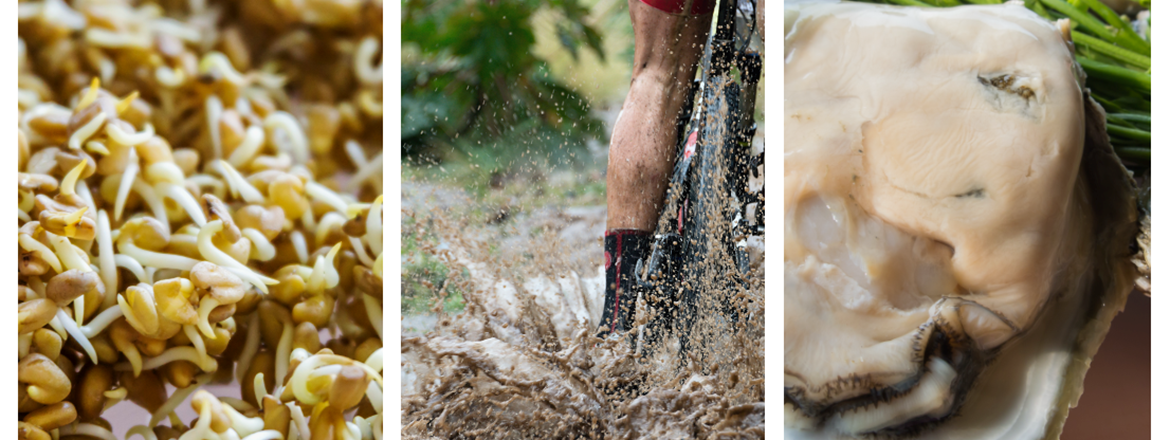
The geographical, demographic, and temporal nature of the cases suggested a foodborne outbreak. The investigation initially turned to raw milk and meats, but no connection was found.11,12 The focus of the early investigation then turned to the consumption of tomatoes, cucumbers, and salad greens, which led to a recommendation from the Robert Koch Institute and the Federal (German) Institute for Risk Assessment to avoid the consumption of raw tomatoes, cucumbers, and salad greens.13,14 A recipe-based restaurant cohort study identified that many of the menu items contains raw sprouts, but perhaps not in quantities that could be recalled by consumers. This included a side salad containing tomatoes, cucumbers, salad greens and a mix of four sprout types (lentil, alfalfa, fenugreek, and adzuki bean) received from one distributor. The restaurant cohort study demonstrated that 100% of cases dining at a particular restaurant could be explained by the consumption of raw sprouts.11
Prior to confirmation of the source of the German E.coli outbreak, cases in France prompted a collaborative investigation across political boundaries.10 Using traceback and trace forward investigations, across both countries. Through this collaborative investigation, a common serotype (0104:H4) was identified linking fenugreek sprouts as the source of the outbreak. The fenugreek sprouts were imported from Egypt and grown locally. It remains unclear where the contamination occurred and it is hypothesized that contamination occurred prior to exportation.11,15-17 Collaboration between France and Germany led to the timely identification of the source. While fenugreek seeds from Egypt were identified, cross contamination was still a possibility as sprouts are often sold as mixed.18
This outbreak also highlights how political decisions are often made with incomplete data.10 The decision to issue a press release to avoid the consumption of raw tomatoes, cucumbers, and leafy greens negatively impacted the European agricultural sector.10,11 The preliminary results and recommendations prompted consumers to change their consumption patterns, negatively impacting certain farms.12,19 The European Union subsequently compensated farmers for loss of income.12 This highlights the need to balance scientific data with risk management.
To date, this event is considered one of the largest E. coli outbreaks ever, with the greatest number of deaths.12 It highlighted how quickly an outbreak can spread across regions and countries, and the importance of considering multiple hypotheses during an investigation without jumping to conclusions.20
The takeaway message
From a One Health perspective, this example highlights the importance of timely traceability and the importance of rapid international collaboration. This outbreak also highlights the interconnectedness of food systems and the spread of pathogens across borders. The source of E. coli contamination of the sprout seeds was never identified, but by using a One Health lens we can improve our understanding of such outbreaks to identify potential reservoirs, thereby supporting traceability and the prevention of future cases.21
Example 2: Campylobacter jejuni outbreak after a bike race (BC, 2007)
Campylobacter jejuni (C. jejuni) is the most common cause of diarrheal disease, and is found naturally in the intestines of poultry, swine, and other animals as well as in untreated surface water contaminated by animal or human fecal matter in the environment. Most commonly, humans are infected due to raw or undercooked meat, raw milk and other dairy products, raw vegetables, shellfish, and untreated water.22
The outbreak
In 2007, a campylobacteriosis outbreak occurred in British Columbia associated with a mountain bike race. Days after the race, 225 racers (42%) reported diarrheal illness.23
The investigation
A public health investigation was launched and included visual assessments of the racecourse, a web forum to obtain information from race participants, and interviews to identify potential sources of exposure including food, distributed water, natural water sources, and mud.23
Environmental sampling revealed that mud in certain areas of the racecourse was contaminated with animal fecal matter and that mud exposure on the face and/or transfer of mud from hand to food or water consumed by the racers was associated with illness.23 While the investigation initially suspected food sources, through online community engagement, the identification of mud exposure shifted the investigation to consider environmental reservoirs of pathogens as the cause of outbreaks.
The takeaway message
From a One Health perspective, this example highlights how zoonotic pathogens can emerge in recreational environments and the importance of considering environmental sources as an additional source of exposure alongside typical foodborne and waterborne pathways for common illnesses. It also highlights the value of community engagement in understanding potential sources of exposure.
Example 3: Vibrio parahaemolyticus outbreaks in shellfish (Canada, 2015 and 2020)
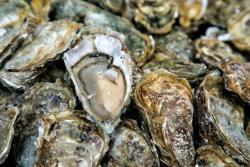
Vibrio parahaemolyticus is a bacterium naturally present in ocean waters. During warmer weather V. parahaemolyticus numbers increase and may grow in shellfish leading to gastroenteritis illnesses in consumers of those shellfish.24,25
The outbreaks
In recent years, there have been several Vibrio outbreaks in the coastal waters of British Columbia and the Atlantic provinces. The largest outbreak in Canada occurred in 2015 in oysters harvested from the Pacific Ocean.26 This outbreak led to 62 cases of illness, primarily due to raw oyster consumption, in British Columbia and Alberta.24,27
In 2020, there was an outbreak linked to raw oysters from the Atlantic coast leading to 23 cases and one hospitalization across 4 provinces.28
Understanding the contributing factors
While such outbreaks can be mitigated by not eating raw or undercooked shellfish, raw oyster consumption remains a common practice, and the potential for outbreaks may increase in a changing climate.28 Analysis of the 2015 outbreak identified multiple areas for improvement to support prevention and control measures, communication, outbreak detection and response, and risk management. The recommendations highlighted the need for collaboration and timely communication between industry, regulators, and public health.26
V. parahaemolyticus levels in water can shift rapidly based on temperature, rainfall, flooding, and plankton blooms, which are all impacted by a warming climate.25,29,30 There is a strong relationship between air and sea surface temperature and the incidence of V. parahaemolyticus.31 In 2015, there was an above average sea surface temperature, however, the climatic data alone do not account for the 2015 outbreak suggesting other drivers.27,31 Increasing temperatures can also lead to biofilm formation in laboratory settings, which can increase the reservoir of V. parahaemolyticus and protect the bacteria from downstream interventions such as high hydrostatic pressure to reduce bacterial count while maintaining oyster quality.30,32 Realtime monitoring of temperature is of utmost importance at harvest sites, as temperatures at or above 15 degrees Celsius lead to favourable V. parahaemolyticus growing conditions.25
The 2020 outbreak occurred during a particularly active hurricane season, highlighting the potential role of storms in increasing the incidence of V. parahaemolyticus.33 Florida saw the biggest outbreak of Vibro vulnificus after Hurricane Ian, linked to storm surges, flooding, and destruction.34 With climate change, increasing temperatures and evolving environmental conditions, there is a potential to see increasing outbreaks of V. parahaemolyticus across in the shellfish industry across Canadian waters. This highlights the importance of real time surveillance, V. parahaemolyticus control programs, and the need for timely communication between industry, regulators, and public health.26
The takeaway message
From a One Health perspective, this example highlights the importance of timely communication and collaboration especially between industry, regulators, and public health, and real time environmental monitoring to better understand environmental variables. A One Health lens also facilitates understanding the interconnectedness of animal and environmental drivers of outbreaks. Together such an approach can improve our ability to predict and prevent future outbreaks.
Lessons learned and One Health considerations
The examples above highlight that contamination of outbreaks can occur as a result of environmental, animal, or human sources of contamination throughout the food supply system and can be influenced by environmental conditions. There are many activities across the farm-to-table spectrum that can affect human health including: production, harvesting, slaughtering, processing, distribution, consumption, and disposal.2 For example, outbreaks of avian influenza H5N1 in poultry and dairy farms have highlighted the implications not only for animal and human health but also for food production, trade, and livelihoods.
Proactively, a One Health approach that examines the food supply system holistically and collaboratively with an integrated human-animal-ecosystem approach will minimize future outbreaks. Integrated surveillance systems and bioinformatics can also act as early warning systems.4,35 Routine monitoring of environmental variables is also essential in a One Health approach. Further research can support understanding the complexity of these systems. For example, V. parahaemolyticus can lead to shellfish harvesting closures and human health impacts but may also play a beneficial role in the environment by cycling nutrients in aquatic ecosystems.36
During an outbreak, it is often difficult to determine whether the outbreak has a reservoir in humans, animals, or the environment, especially when the outbreak occurs across regions.2,12 A One Health approach allows public health investigation to consider all aspects, minimizing both health and economic consequences, to identify the source of contamination. The E.coli outbreak in Germany highlights how quickly an outbreak can become a multi-national public health crisis, and how public health announcements can drastically change consumption patterns of products from certain regions.12,19 The management of the outbreak negatively impacted farmers in the European Union, and as a result the European Union compensated farmers for loss of income.12 Lessons from the 2011 E.coli outbreak continue to inform outbreak investigations in Europe. Further research in this area can be supported by One Health approaches to understand not just the vehicle for foodborne pathogens, but also the root causes of the contamination.
Lastly, all the examples highlight the importance of ongoing cross-sector collaboration and communication at the regional, provincial/territorial, and federals level as well as transnationally.12 Such collaborations can help to facilitate coordination and timely responses, minimizing the negative consequences of outbreaks.
Implications for environmental health professionals
Foodborne outbreaks highlight the interconnectedness of humans, animals, and the environment. A One Health approach can help environmental health professionals anticipate risks, improve surveillance systems, and build collaborative responses that protect people, animals, ecosystems, and livelihoods. As environmental health professionals, addressing food-related health risks through a One Health approach can vary and may include:
- Cross-sector collaboration: Facilitate collaborations and work with veterinarians, agriculturalists, public health officials, Indigenous leaders, and biologists.
- Surveillance and monitoring: Provide data to strength surveillance systems to detect outbreak and environmental changes early.
- Public education: Promote awareness around food safety, sustainable consumption, and climate impacts on food safety.
- Policy engagement: Influence regulations on animal welfare, antibiotic use, and sustainable land management within organizations, communities, and at the province/territory and national level.
- Support community-led solutions: Get involved in local initiatives, especially in Indigenous and rural contexts where traditional knowledge and local governance can provide critical context to the local environment and potential risks.
- Discussions: Regularly discuss how environmental health professionals can supporting cross-sectoral partnerships and One Health work related to food safety.
Further resources
For more information please visit:
- Government of Canada: One health Approach to Risk Assessment
- World Health Organization: One Health
- Food and Agriculture Organization of the United Nations:
Acknowledgements
Thank you to Dr. Juliette O’Keefe (NCCEH) for her guidance and support in developing this evidence brief.
References
- Winkler AS, Brux CM, Carabin H, Das Neves CG, Häsler B, Zinsstag J, et al. The Lancet One Health Commission: harnessing our interconnectedness for equitable, sustainable, and healthy socioecological systems. The Lancet. 2025;406(10502):501-70. Available from: https://dx.doi.org/10.1016/S0140-6736(25)00627-0.
- Arredondo-Rivera M, Barois Z, Monti GE, Steketee J, Daburon A. Bridging Food Systems and One Health: A key to preventing future pandemics? One Health. 2024;18:100727. Available from: https://dx.doi.org/10.1016/j.onehlt.2024.100727.
- Duchenne-Moutien RA, Neetoo H. Climate Change and Emerging Food Safety Issues: A Review. Journal of Food Protection. 2021;84(11):1884-97. Available from: https://dx.doi.org/10.4315/JFP-21-141.
- Forghani F, Sreenivasa MY, Jeon B. Editorial: One health approach to improve food safety. Frontiers in Microbiology. 2023;14. Available from: https://dx.doi.org/10.3389/fmicb.2023.1269425.
- Croxen MA, Law RJ, Scholz R, Keeney KM, Wlodarska M, Finlay BB. Recent Advances in Understanding Enteric Pathogenic Escherichia coli. Clinical Microbiology Reviews. 2013;26(4):822-80. Available from: https://dx.doi.org/10.1128/CMR.00022-13.
- Collignon P. ResistantEscherichia coli—We Are What We Eat. Clinical Infectious Diseases. 2009;49(2):202-4. Available from: https://dx.doi.org/10.1086/599831.
- Tadesse DA, Zhao S, Tong E, Ayers S, Singh A, Bartholomew MJ, et al. Antimicrobial Drug Resistance in<i>Escherichia coli</i>from Humans and Food Animals, United States, 1950–2002. Emerging Infectious Diseases. 2012;18(5):741-9. Available from: https://dx.doi.org/10.3201/eid1805.111153.
- McAuley CM, McMillan K, Moore SC, Fegan N, Fox EM. Prevalence and characterization of foodborne pathogens from Australian dairy farm environments. Journal of Dairy Science. 2014;97(12):7402-12. Available from: https://dx.doi.org/10.3168/jds.2014-8735.
- Wu C-J, Hsueh P-R, Ko W-C. A new health threat in Europe: Shiga toxin–producing Escherichia coli O104:H4 infections. Journal of Microbiology, Immunology and Infection. 2011;44(5):390-3. Available from: https://dx.doi.org/10.1016/j.jmii.2011.07.001.
- Karch H, Denamur E, Dobrindt U, Finlay BB, Hengge R, Johannes L, et al. The enemy within us: lessons from the 2011 European <i>Escherichia coli</i> O104:H4 outbreak. EMBO Molecular Medicine. 2012;4(9):841-8. Available from: https://dx.doi.org/10.1002/emmm.201201662.
- Buchholz U, Bernard H, Werber D, Böhmer MM, Remschmidt C, Wilking H, et al. German Outbreak of<i>Escherichia coli</i>O104:H4 Associated with Sprouts. New England Journal of Medicine. 2011;365(19):1763-70. Available from: https://dx.doi.org/10.1056/NEJMoa1106482.
- Burger R. EHEC 0104:H4 In Germany 2011: Large outbreak of bloody diarrhea and haemolytic uraemic syndrome by Shiga Toxin-producing E.coli via contaminated food. Washington, DC: Insitute of Medicine; 2012. Available from: https://www.ncbi.nlm.nih.gov/books/NBK114499/.
- Frank C, Faber MS, Askar M, Bernard H, Fruth A, Gilsdorf A, et al. Large and ongoing outbreak of haemolytic uraemic syndrome, Germany, May 2011. Eurosurveillance. 2011;16(21). Available from: https://dx.doi.org/10.2807/ese.16.21.19878-en.
- Askar M, Faber MS, Frank C, Bernard H, Gilsdorf A, Fruth A, et al. Update on the ongoing outbreak of haemolytic uraemic syndrome due to Shiga toxin-producing Escherichia coli (STEC) serotype O104, Germany, May 2011. Eurosurveillance. 2011;16(22). Available from: https://dx.doi.org/10.2807/ese.16.22.19883-en.
- King LA, Nogareda F, Weill FX, Mariani-Kurkdjian P, Loukiadis E, Gault G, et al. Outbreak of Shiga Toxin-Producing Escherichia coli O104:H4 Associated With Organic Fenugreek Sprouts, France, June 2011. Clinical Infectious Diseases. 2012;54(11):1588-94. Available from: https://dx.doi.org/10.1093/cid/cis255.
- Robert Koch Institute. Report: Final presentation and evaluation of epidemiological findings in the EHEC 0104:H4 outbreak, Germany 2011. Berlin, Germany: Robert Kock Institute; 2011. Available from: https://edoc.rki.de/bitstream/handle/176904/163/23NXL3JomOyAA.pdf?sequence=1&isAllowed=y.
- European Food Safety Authority. Shiga toxin-producingE. coli(STEC) O104:H4 2011 outbreaks in Europe: Taking Stock. EFSA Journal. 2011;9(10):2390. Available from: https://dx.doi.org/10.2903/j.efsa.2011.2390.
- European Food Safety Authority. Tracing seeds, in particular fenugreek (Trigonella foenum‐graecum) seeds, in relation to the Shiga toxin‐producing E. coli (STEC) O104:H4 2011 Outbreaks in Germany and France. EFSA Supporting Publications. 2011;8(7). Available from: https://dx.doi.org/10.2903/sp.efsa.2011.EN-176.
- Foley C, Harvey E, Bidol SA, Henderson T, Njord R, DeSalvo T, et al. Outbreak of Escherichia coli 0104:H4 Infections Associated with Sprout Consumption - Europe and North America, May-July 2011. Morbidity and Mortality Weekly Report. 2013 Dec 20;62(50):1029-31. Available from: https://pmc.ncbi.nlm.nih.gov/articles/PMC4584579/.
- Whitworth J. Rare E.coli tybe behind German outbreak. Bainbridge Island, WA: Food Safety News; 2025. Available from: https://www.foodsafetynews.com/2025/09/rare-e-coli-type-behind-german-outbreak/.
- Ortiz Y, Heredia N, García S. Boundaries That Prevent or May Lead Animals to be Reservoirs of Escherichia coli O104:H4. Journal of Food Protection. 2023;86(3):100053. Available from: https://dx.doi.org/10.1016/j.jfp.2023.100053.
- Public Health Agency of Canada. Campylobacter jejuni: Government of Canada; 2024. Available from: https://www.canada.ca/en/public-health/services/food-poisoning/campylobacter-jejuni.html.
- Stuart TL, Sandhu J, Stirling R, Corder J, Ellis A, Misa P, et al. Campylobacteriosis outbreak associated with ingestion of mud during a mountain bike race. Epidemiology and Infection. 2010;138(12):1695-703. Available from: https://dx.doi.org/10.1017/s095026881000049x.
- BC Centre for Disease Control. Vibrio parahaemolyticus. Vancouver, BC: BC Centre for Disease Control; 2025. Available from: https://www.bccdc.ca/health-info/diseases-conditions/vibrio-parahaemolyticus.
- Canadian Food Inspection Agency. Measures to control the risk of Vibrio parahaemolyticus (Vp) in live oysters: Government of Canada; 2020.
- Recommendations from the National Working Group for Vibrio parahaemolyticus Control in BC Oysters for Raw Consumption. Vancouver, BC2016. Available from: https://www.bccdc.ca/resource-gallery/Documents/Educational%20Materials/EH/FPS/Fish/Final%20report%20from%20National%20Working%20Group%20for%20Vibrio%20parahaemolyticus%20control%20in%20BC.pdf.
- Taylor M, Cheng J, Sharma D, Bitzikos O, Gustafson R, Fyfe M, et al. Outbreak of Vibrio parahaemolyticus Associated with Consumption of Raw Oysters in Canada, 2015. Foodborne Pathogens and Disease. 2018;15(9):554-9. Available from: https://dx.doi.org/10.1089/fpd.2017.2415.
- Public Health Agency of Canada. Public Health Notice: Outbreak of Vibrio parahaemolyticus infections linked to shellfish. Government of Canada2020. Available from: https://www.canada.ca/en/public-health/services/public-health-notices/2020/outbreak-vibrio-parahaemolyticus-infections-linked-shellfish.html.
- European Commission Health and Consumer Protection Directorate-General. Opinion of the Scientific Committee on Veterinary Measures relating to Public Health on Vibrio vulnificus and Vibrio parahaemolyticus (in raw and undercooked seafood)2001. Available from: https://food.ec.europa.eu/system/files/2020-12/sci-com_scv_out45_en.pdf.
- Mahieddine FC, Mathieu-Denoncourt A, Duperthuy M. Temperature Influences Antimicrobial Resistance and Virulence of Vibrio parahaemolyticus Clinical Isolates from Quebec, Canada. Pathogens. 2025;14(6):521. Available from: https://dx.doi.org/10.3390/pathogens14060521.
- Galanis E, Otterstatter M, Taylor M. Measuring the impact of sea surface temperature on the human incidence of Vibrio sp. infection in British Columbia, Canada, 1992–2017. Environmental Health. 2020;19(1). Available from: https://dx.doi.org/10.1186/s12940-020-00605-x.
- Spaur M, Davis BJK, Kivitz S, Depaola A, Bowers JC, Curriero FC, et al. A systematic review of post-harvest interventions for Vibrio parahaemolyticus in raw oysters. Science of The Total Environment. 2020;745:140795. Available from: https://dx.doi.org/10.1016/j.scitotenv.2020.140795.
- National Centers for Environmental Information. 2020 North Atlantic Hurricane Season Shatters Records: National Oceanic and Atmospheric Administration (NOAA); 2020.
- Jayakumar JM, Martinez-Urtaza J, Brumfield KD, Jutla AS, Colwell RR, Cordero OX, et al. Climate change and Vibrio vulnificus dynamics: A blueprint for infectious diseases. PLOS Pathogens. 2024;20(12):e1012767. Available from: https://dx.doi.org/10.1371/journal.ppat.1012767.
- Konganti K, Reed E, Mammel M, Kayikcioglu T, Binet R, Jarvis K, et al. bettercallsal: better calling of Salmonella serotypes from enrichment cultures using shotgun metagenomic profiling and its application in an outbreak setting. Frontiers in Microbiology. 2023;14. Available from: https://dx.doi.org/10.3389/fmicb.2023.1200983.
- Johnson CN, Bowers JC, Griffitt KJ, Molina V, Clostio RW, Pei S, et al. Ecology of Vibrio parahaemolyticus and Vibrio vulnificus in the Coastal and Estuarine Waters of Louisiana, Maryland, Mississippi, and Washington (United States). Applied and Environmental Microbiology. 2012;78(20):7249-57. Available from: https://dx.doi.org/10.1128/AEM.01296-12.