

Cleaning up safely after a wildfire: Environmental health considerations during re-entry and cleanup

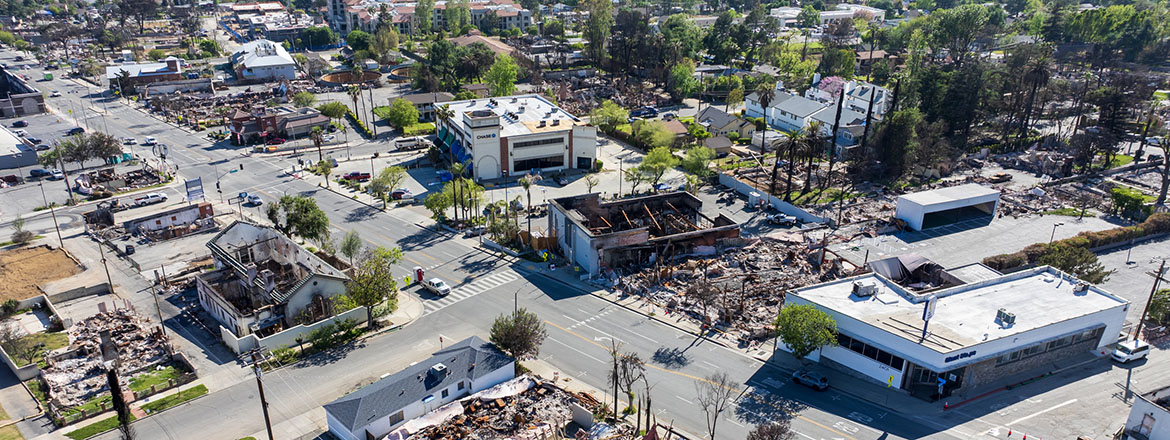
Catastrophic wildfires can have devastating impacts on communities, causing significant disruptions to daily life, including evacuations, property damage or loss, and exposures to wildfire smoke. The past three wildfire seasons have been the most destructive of this decade, with the 2023 wildfire season being the worst on record in Canada. Since 2016, over 600,000 people across Canada have been evacuated from their communities due to wildfires. Some communities have experienced multiple evacuations over several years; between 1980 and 2021, 211 communities were evacuated more than once due to wildfires. In 2026, several communities across Canada have been evacuated, including 17 First Nations communities as of July 21.
As people return to their communities after a wildfire evacuation, concerns may arise about hazards that remain in residences, businesses, schools, public buildings and other community spaces. Environmental public health professionals (EPHPs) play an important role in identifying and evaluating these hazards, supporting risk communication, and helping communities recover. This blog highlights key public health considerations alongside relevant resources and guidance to support a safe return to communities following a wildfire.
Returning to a community after a wildfire
Once a local, provincial, or territorial emergency management organization determines that the risk to life and safety from a wildfire has passed, evacuation orders are rescinded and communities are notified that they can return. Rescinding an evacuation order does not necessarily mean that all buildings or structures are safe to enter. In some jurisdictions, damage assessments conducted in partnership with qualified professionals, such as industrial hygienists, engineers, or utility providers may identify hazards such as unsafe structures, gas or electrical hazards, and the presence of hazardous materials. These assessments may result in placards or notices being posted at building entrances indicating whether a building can be reoccupied or whether there are access restrictions. Debris management and removal may need to be prioritized to protect recovery workers and returning residents.
Even buildings that are deemed safe to re-enter may require further evaluation of environmental health risks to determine whether remediation measures are necessary. Qualified professionals specializing in site remediation can help navigate risks and legal requirements for cleaning up. In Canada, industrial hygienists certified by the Canadian Registration Board of Occupational Hygienists can help determine the extent of contamination of a property, whereas remediation specialists carry out decontamination and clean-up activities. There are no current Canadian certification requirements for remediation specialists, but many opt to undertake certification by the Institute of Inspection Cleaning and Restoration Certification.
Key environmental health risks following wildfire damage
Buildings that have been impacted by wildfires can present significant health and safety concerns due to structural damage, utility failure, and contamination by smoke pollutants. Assessing these risks in a systematic way is important for guiding the remediation process and making a building safe for re-occupancy. Key areas of concern are highlighted in the table below.
| Area of investigation | Key public health concerns |
| Envelope or physical structure of the building |
|
| Electrical system inside and outside the home |
|
Appliances and kitchens
|
|
Heating and cooling systems
|
|
Grounds, gardens and food production
|
|
Water systems
|
|
Personal property
|
|
Preparing to return
Before cleaning up a site, residents and building owners or operators should develop a plan. This should include identifying potential hazards, such as those listed above, and precautions for handling hazardous waste and materials when re-entering a site.
Hazardous substances can be both airborne and deposited on surfaces, resulting in inhalation hazards of airborne particles, gases, and vapours, or dermal exposure to residues that can be absorbed into the skin. Proper use of personal protective equipment (PPE) can reduce exposures. This may includes respiratory protection (e.g., N95 respirator or elastomeric respirators), safety glasses, gloves, protective outer clothing, steel-toed boots, and hard hats.
After identifying safety precautions, creating a checklist of important systems to examine (e.g., heating, cooling, appliances), and items to recover (e.g., important documents) can guide the site re-entry. Building owners should contact their insurance company, if insured, for information that will need to be collected to file a claim (e.g., photos, inventory). Surfaces throughout a property, along with food items or drinking water could be contaminated and should be assessed. Pipework and appliances may require flushing, and drinking water may require testing. Private systems may require advice on inspection, testing, and decontamination of wells, or cistern inspection and cleaning. Tailored advice may be needed for agricultural water users in affected areas.
Remediation
Buildings damaged by fire, heat, or smoke may contain hazardous waste that requires special handling during cleanup. Considerations include worker safety, compliance with local regulations, testing where appropriate and proper disposal of hazardous material. For example, fire damage can release lead from lead paint or expose asbestos materials, requiring specific attention and disposal methods. Spilled oil or gasoline from storage tanks or devices may require specific reporting and remediation steps set out by local governments.
Wildfire smoke residues are different from typical house dust and may include volatile organic compounds (VOCs), polycyclic aromatic hydrocarbons (PAHs), and particulate matter (PM) that can adhere to and penetrate surfaces and materials, persist over time, and later be re-released into the air. Once a site has been assessed and a remediation plan developed, the methods for general cleaning after a wildfire focus on removing smoke particles and gases from surfaces and materials (Figure 1). This includes:
- Using wet mopping and wiping (avoid dry wiping and sweeping because this can resuspend particles), and HEPA-filtered vacuuming.
- Using mild diluted detergents (avoid using bleach as it can react with smoke pollutants and create toxic and harmful chemicals)
- Increasing ventilation and/or air filtration to remove airborne pollutants, especially during cleaning activities that can resuspend dust
- Rinsing off HVAC air intakes and wiping down air conditioning units and replacing air filters prior to use
- Using activated charcoal or similar odour absorbent media in air filters to remove VOCs
- Laundering, washing and cleaning (dusting items outdoors if possible), or replacing home items such as clothing, furniture, and toys
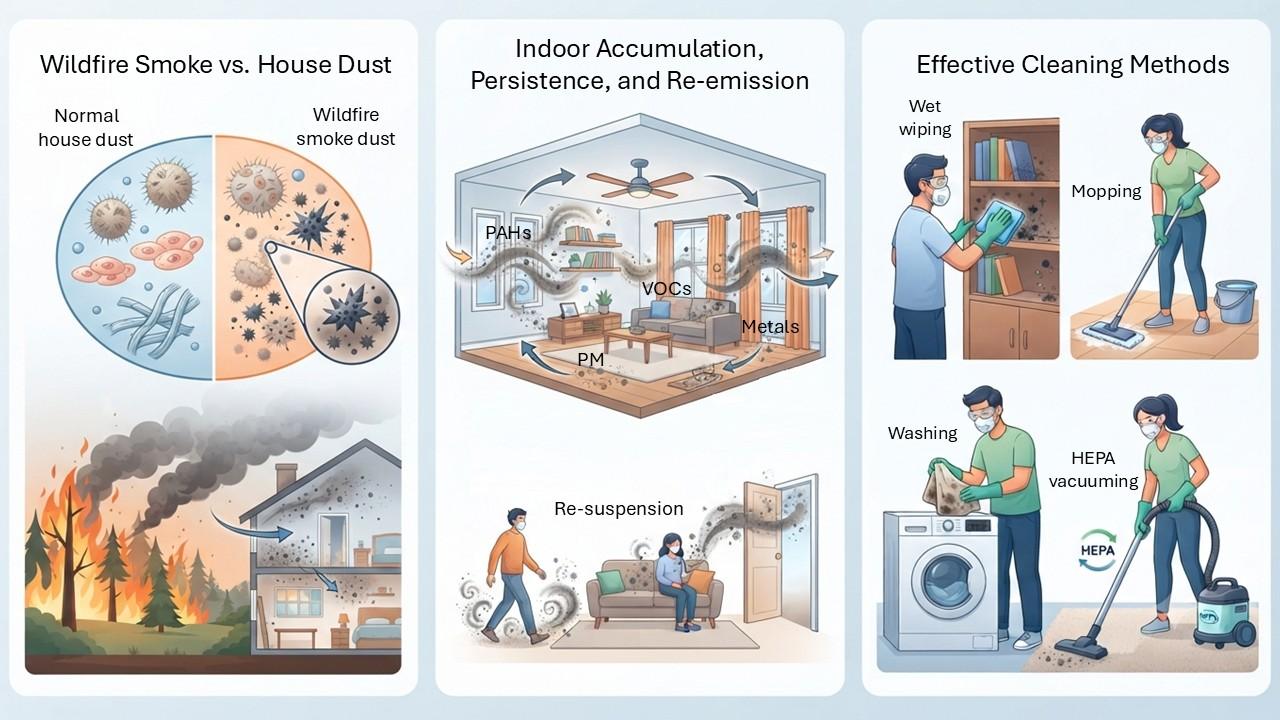
Figure 1 Wildfire smoke residues that enter a home differ from typical household dust and may require a range of cleaning approaches for effective removal. This is an AI-assisted infographic.
Additional considerations may apply when reopening buildings used by the public such as businesses, childcare facilities and schools, personal services establishments, and health care clinics. These may include cleaning, decontaminating, and sterilizing equipment and items (e.g., utensils, toys, bedding, play surfaces) that the public would encounter. Food facilities should consider testing their water supply before reopening, cleaning and sanitizing all equipment, and surfaces, and ensuring spoiled or compromised food items are discarded. Swimming pools require additional considerations to check for damages around the pool, remove debris, backwash and clean filters, and ensure pH and chlorination levels are restored.
Summary
In summary, when returning to a property after a wildfire, building owners and operators should:
- Prioritize safety by using PPE
- Consult with qualified professionals as needed
- Create an inspection checklist that assesses environmental health risks, and a remediation plan that complies with local regulations
- Follow recommended cleaning methods
Several governmental agencies, health authorities, and non-governmental agencies have developed additional guidance to support a safe return after wildfire, with key resources listed below:
Additional relevant resources
- Reopening buildings, homes, and businesses after a wildfire (Government of Alberta, 2024)
- Practical guidance for post wildfire cleanup - subject guide (NCCEH, 2024)
- BC guidance for owners of property impacted by wildfire contaminants (BC Ministry of Environment and Climate Change Strategy, 2023)
- Returning to your home after wildfires (First Nations Health Authority, 2017)
- Returning to your home after a wildfire (Government of Alberta, 2022)
- Community planning guide for re-entry after an evacuation (Government of Northwest Territories, 2022)
- Guide to wildfire evacuation re-entry (Manitoba Emergency Management Organization, 2024)
- Swimming pools after a fire (County of LA Public Health, 2025)
- Guide to wildfire recovery (Red Cross, 2017)
- Fire and disaster boilerplate forms/templates to support debris and hazardous materials mitigation (CalCUPA Forum, 2018)