

After the wildfire: Indoor smoke residues and cleaning considerations

Key Messages |
|
Wildfire smoke and indoor environments
|
Introduction
As climate change continues to drive more intense and prolonged wildfire seasons, understanding how wildfire smoke impacts nearby communities is needed to help guide recommendations to reduce public health impacts. When wildfire smoke infiltrates indoor environments, pollutants can deposit on surfaces, be absorbed into common household materials, or undergo chemical transformation. These contaminants may persist for weeks to months, with household materials acting as reservoirs for pollutants that can be resuspended or desorbed back into indoor air long after a smoke episode has ended. While the infiltration of smoke during a wildfire event has been studied in some contexts,1 even less is known about the range of pollutants that remain indoors after a smoke event, the health implications, and effective strategies to reduce ongoing exposures.
The aim of this review is to synthesize evidence available from studies examining the deposition, accumulation, persistence, and resuspension of wildfire smoke pollutants in indoor environments, as well as the effectiveness of cleaning and ventilation strategies. This review examines findings from a combination of field studies conducted after wildfire smoke episodes and experimental studies in a laboratory setting. Lastly, this review identifies key evidence gaps related to remediation effectiveness in real-world residential settings.
In some cases, wildfires can encroach into the built environment causing structural fires (i.e., wildland urban interface fires). The fire damage to homes and impacts of extreme heat in these scenarios is beyond the scope of this review. Damage to structural, electrical, water, and gas systems can cause serious health risks that should be assessed and remediated by qualified professionals.
Methodology
Literature search
A literature search was conducted using variants and Boolean operator combinations of key search terms such as “wildfire,” “smoke,” “combustion,” “prescribed burn,” “biomass burning,” “clean,” “decontaminate,” “mitigation,” “vacuum,” “remove,” and “wash” (a full list of search terms is available upon request). Although the focus of the search strategy was to assemble studies specific to wildfire smoke, the studies also included the impacts of interface fires where combustion of anthropogenic fuels contributed to the overall smoke plumes.
The following databases were searched: MEDLINE, Embase, CINAHL, and Environment Complete. Bibliographies and citations of key articles were used to retrieve additional literature via forward and backward chaining, along with supplemental searches as necessary. English documents were considered that were published over the previous 22 years (2004–2026). The titles and abstracts of results were screened by one reviewer, and the full texts of results meeting inclusion criteria were screened by a single reviewer. Exclusions included sources published ahead of print, before peer review, and mathematical modelling studies that exclusively used estimated data. Forward and backward chaining of key studies identified additional results providing evidence on the composition of post-smoke episode residues indoors and the influence of different cleaning techniques (e.g., wet wiping, mopping, washing, and HEPA vacuuming) on indoor pollutant concentrations.
The quality of included evidence was evaluated using critical appraisal tools, as indicated by the study design below. Completed quality assessments for each included study are available on request.
|
Study Design |
Critical Appraisal Tool |
|
Randomized Controlled Trial |
|
|
Quasi-experimental |
|
|
Analytical Cross Sectional |
For each study, all available data relevant to the research question were extracted by one reviewer, including study design, setting, location, population characteristics, interventions, and outcomes. The results were synthesized narratively due to the variation in methodology and outcomes for the included studies. Table 1 provides a summary of the inclusion and exclusion criteria for studies.
Table 1. Inclusion and exclusion criteria
|
|
Inclusion |
Exclusion |
|
Setting |
Residential environments, clean air spaces, public/institutional buildings (e.g., schools, daycares, malls, libraries, community centres, healthcare centres, long-term care centres, etc.), vehicles |
Industrial workplaces |
|
Context |
During combustion-derived air pollution episodes that may be caused by fire (wildland, coal mine fires, peat fires, interface fires, landscape fires, agricultural fires, prescribed burns, industrial fires, landfill fires, tire fires, any multi-day structural fires (e.g., 9/11) |
During non-combustion derived episodes, air pollution events exclusively due to engine exhaust, traffic pollution, coal combustion, etc. (coal mine fires were included) |
|
Intervention |
Cleaning after a combustion-derived air pollution episode as defined above |
|
|
Comparator |
Any or no comparator; pre- vs. post-cleaning |
|
|
Outcomes |
Concentrations of airborne pollutants and pollutants in settled dust on surfaces, films, furnace filters |
|
|
Study designs |
Before-and-after studies, case studies, laboratory studies, grey literature (including technical reports from standard setting bodies, NRC/NIST, etc.) |
Modelling studies |
|
Publication date |
Published in last 22 years |
|
There are additional factors to consider when returning to a property that has been evacuated if the building or surrounding land has been directly damaged by fire. Excess heat can damage electrical systems, home appliances, and drinking water systems, potentially causing fire risks, gas leaks, and water damage and the potential for mould growth. In older homes, hazardous materials such as asbestos and leaded paint can become exposed following a fire, posing a risk to residents. In these situations, qualified professionals specializing in remediation of hazardous materials should be consulted. These issues are beyond the scope of this review; however, additional resources are available from professional organizations, such as the American National Standards Institute (ANSI)/ Institute of Inspection, Cleaning and Restoration Certification (IICRC) Standard for professional fire and smoke damage restoration S700-2025 and associated Technical Guide.2,3
Background
Combustion-derived air pollutants (i.e., smoke)
Wildfire smoke is a complex mixture of particulate matter (PM), inorganic gases and organic gases, and trace metals.4 The PM component consists of a mixture of organic carbon and trace metals and is often reported based on the particle size fractions. For example, PM10, PM2.5, and PM1 consists of particles less than or equal to 10, 2.5, and 1 µm in diameter, respectively. For gases, inorganic gases include carbon monoxide (CO), carbon dioxide (CO2), and nitrogen dioxide (NO2), and organic gases such as volatile organic compounds (VOCs) and semi-volatile organic compounds (SVOC), which include polycyclic aromatic hydrocarbons (PAHs). The mixture of pollutants in wildfire smoke can also change over time, with PAHs transitioning between being PM-bound and airborne. Though reactions in the atmosphere VOCs can be transformed into gases like ozone (O3) and secondary organic aerosols that can condense on existing particles or form new particles.
Compared with other types of air pollution, wildfire smoke often has higher levels of VOCs such as benzene, acrolein, and formaldehyde; PAHs such as acenaphthylene, fluorene, and phenanthrene; and trace metals such as magnesium and potassium.5-7 However, pollutant concentrations can change depending on atmospheric conditions and the types of materials burnt. Smoke from biomass burning can be differentiated from other types of air pollution by the presence of chemically stable organic marker compounds such as levoglucosan, which is released in large quantities when wood is combusted. Wildfire smoke also has smaller particles than urban air pollution.8 For instance, air sampling during a wildfire period in California revealed that the mean fraction of fine PM (PM1/PM2.5) was significantly higher during the wildfire period (0.80) compared to the non-wildfire period (0.52).4
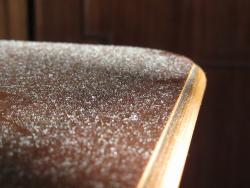
When wildfire smoke infiltrates indoors, it can contribute to indoor dust as well as absorb onto interior surfaces (Table 2). Indoor dust is a complex mixture of organic and inorganic particles stemming from outdoor and indoor sources. Outdoor sources include soil, pollen, and ambient air pollution. Indoor sources include pet dander, human skin cells, dust mites, and combustion particles from various activities such as cooking, burning candles, and tobacco smoke.9 Occupation can also play a role in dust composition. For example, the dust that is resuspended indoors from clothing would be different for an office worker compared with a construction worker. Depending on humidity, particle size, and the type of surface, wildfire smoke PM can contribute to house dust by settling on surfaces (e.g., flooring, walls, worktops, and furniture), contributing to indoor dust. Similarly, gaseous wildfire smoke pollutants can absorb onto surfaces and into household materials (e.g., fabrics) or undergo chemical transformation and condense onto settled particles.10,11
Table 2. Overview of indoor wildfire smoke pollutants and measurement techniques12,13
|
Pollutant |
Definition |
Measurement technique |
|
Airborne particles |
Particles suspended in air |
|
|
Airborne gases |
Inorganic and organic compounds in the gas phase |
|
|
Settled or deposited pollutants |
Particles or pollutants that have agglomerated into larger particles that settle onto surfaces |
|
|
Adsorbed pollutants |
Pollutants that have settled and adhered onto surfaces |
|
|
Absorbed pollutants |
Pollutants that have penetrated into materials |
|
After a wildfire smoke episode, contaminated surfaces and materials can act as air pollutant reservoirs, releasing pollutants back into the indoor air by resuspension of deposited particles or desorption of gaseous pollutants. These pollutants can also change over time through reaction with atmospheric oxidants or cleaning chemicals such as bleach, creating different pollutants.14,15 Without remediation or cleaning, reservoirs of pollutants can persist in the indoor environment, presenting an ongoing health risk long after the wildfire smoke clears from the outdoor air. For example, residents of homes damaged by smoke or ash have reported experiencing dry cough, itchy or watery eyes, and sneezing for at least one year after a major smoke episode.16 In these scenarios, uptake of pollutants by the body can occur via inhalation and dermal exposure, as well as ingestion of dust that settles on food, food preparation surfaces, or skin (e.g., hand-to-mouth behaviours by toddlers). However, the exact concentrations and types of wildfire smoke-related pollutants likely to affect indoor environments is poorly understood, as are the health implications of long-term exposures indoors.
Remediation of indoor smoke contaminants
Remediation of wildfire smoke contaminants after a wildfire can be referred to as restoration or decontamination and includes all activities or strategies used to remove smoke pollutants. Several agencies provide guidance to homeowners and businesses on returning to a premise safely and on cleanup following a smoke episode.3,17-26
Current guidance broadly includes:
- Advice on personal protective equipment (PPE) – matching equipment to the expected hazards. This may include using a respirator, gloves, and protective clothing.
- Advice on cleaning – using wet mopping and wiping with a mild diluted detergent (avoid dry wiping and sweeping because this can resuspend particles), and HEPA-filtered vacuuming.
- Advice on physical removal of airborne pollutants via ventilation and/or filtration.
- Advice on odour management – using activated charcoal or similar odour absorbent media to remove VOCs, and professional use of ozone generators (see ozone generators in Box 1 below).
- Advice on removal of contaminated material – such as replacing furniture and/or clothing.
For some premises, repeated cleaning cycles may be required for pollutants that are more difficult to remove. Specialist smoke damage restoration and cleaning contractors may use different approaches for severely impacted premises.
|
Box 1. Ozone generators and odour management |
|
Image
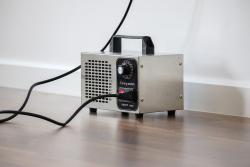
The use of ozone generators is not recommended in occupied spaces because ozone and by-products of ozone oxidation can be hazardous to human and animal health. In some cases, ozone can also degrade materials such as textiles and plastics. Health Canada currently recommends against the use of personal ozone generators in homes. In addition, as of 2025, there is no CSA electrical testing standards for these devices, meaning that they may not be compliant with the Canadian Electrical Code, representing a potential safety hazard. The use of ozone generating machines to remove smoke odours in homes is, however, common practice by some professional restoration or remediation companies, and frequently mentioned in American remediation guidance. International guidance on the use of these machines can be found in a technical document on wildfire smoke restoration from the American Industrial Hygiene Association.27 |
Results
Overview of studies
This review identified a total of 15 studies of moderate to high quality, including seven quasi-experimental studies, and eight analytical cross-sectional studies (Appendix A). Eight studies investigated wildfire smoke episodes, and six studies used laboratory experimental smoke exposure systems to examine indoor air and/or surface pollutant concentrations post-smoke episode or exposure. The pollutants examined in these studies included settled dust and particulate matter (n = 4), VOCs (n = 8), PAHs (n = 5), and trace metals (n = 5). Experimental laboratory studies examined the effectiveness of cleaning methods on reducing airborne VOCs (n = 4) and PAHs (n = 1) that have been deposited and then released from common indoor surfaces such as glass and cloth. One post-wildfire smoke study examined the use of air cleaning and ventilation on airborne VOCs.
What pollutants are found on indoor surfaces post-wildfire smoke episodes?
In this review, several classes of pollutants were identified in the indoor environment following wildlife-smoke episodes. The deposition, accumulation, and persistence of these pollutants were described in a combination of field community-based and experimental test-chamber or house studies (Table 3). Observations from these studies are described in the following subsections by pollutant type.
Particulate matter (PM)
The PM component of smoke contains VOCs, PAHs, and trace metals along with elemental carbon and organic compounds in solid particles and liquid droplets. Specific sub-classes of pollutants that may be present in PM will be covered in the following sub-sections. Wildfire-related PM may also be referred to as ash, soot, and char. Soot and char are produced by more complete combustion and consist of mostly carbon. Ash consists of residue containing inorganic compounds, minerals, and charred organic components after the combustion of carbon-based compounds.28,29
Wildfire-smoke PM can be airborne or deposit onto surfaces, contributing to settled dust. After settling, dust on indoor surfaces can be resuspended into the air by activities (e.g., vacuuming) or changes in ventilation (e.g., fans). Using polarized light microscopy to look for char, soot, and ash, Spurgeon et al. examined surface samples from 343 residences in northern California after 22 wildfires that occurred from 2017 to 2022.30 In total, surface char was detected in 57% (n = 196) of houses, ash in 8.8% (n = 30) of houses, and soot in 1.2% (n = 4) of houses. The deposition of smoke residue was also found to vary indoors depending on location within the home, with char detected more often on windowsills versus interior hard surfaces (2.8 times more likely to be detected). In another study, Silberstein et al. examined dust samples collected in smoke-impacted residences in Boulder, Colorado, up to two months after the 2021 Marshall wildland urban interface fire. Prior to cleaning, dust samples contained elevated levels of the biomass combustion marker levoglucosan (median = 4147 ng/g, n = 4) compared to samples from non-smoke-affected homes (median = 256 ng/g, n = 4), indicating that wildfire smoke substantially contributed to dust loading.31 Levoglucosan is an important marker of biomass burning because it indicates other common wildfire contaminants of concern are likely to be present.
Silberstein et al. also demonstrated the capacity for resuspension of settled wildfire smoke in dust. When sampled houses were unoccupied, airborne mass concentrations of PM2.5 and PM10 were very low (approximately 0–2 µm/m3). However, resuspension of particles was observed during research and cleaning activities, with levels spiking to 8 µm/m3 for PM2.5 and 120 µm/m3 for PM10. Spikes in PM2.5 and PM10 also occur during normal indoor activity. For example, maximum PM2.5 mass concentrations of 28 µm/m3 have been reported for non-smoking homes in Regina, Saskatchewan. Even so, the chemical composition of resuspended dust containing wildfire smoke PM likely differs from that of typical dust,4 with higher concentrations of heavy metals and organic compounds (see following subsections), which may result in different health effects on those exposed.
A similar study by Goftari et al. examined PM mass concentrations in 19 homes in Los Angeles County, California, approximately two months after the Palisades and Eaton wildland urban interface fires.32 Indoor PM2.5 and PM10 concentrations of 3.45 and 31.66 μg/m3, respectively, were reported. In addition, the average indoor/outdoor (I/O) ratios for PM2.5 and PM10 were 1.08 and 2.99, respectively, indicating strong indoor sources of PM. This is notable as only three of the 19 homes were reoccupied at the time of testing, suggesting that the indoor PM is not likely due to occupant activities, but rather infiltrated smoke. Furthermore, the authors asked homeowners about smoke mitigation strategies used during the fire, finding 73% of PM10 and 86% of PM2.5 levels could be explained by proximity to the fire, absence of air purifiers, use of non-HEPA vacuums, and open windows. It is also important to note that all the homes in this study suffered at least some level of structural damage from the fire.
Some pollutants in wildfire smoke can undergo physical and chemical transformation after depositing on surfaces. Farmer et al. examined PM generated from combusting Ponderosa pine chips in a smoker. They reported that PM deposited onto glass surfaces in a test house had two distinct morphologies: aggregate-like and smaller rounded. These two morphology types also had differing chemical compositions.33 Although specific chemical characterization was not performed, atomic force microscopy-infrared spectroscopy showed that the aggregate particles contained more compounds with esters, aliphatic carbon chains, and carboxylic acids. The rounded particles contained more carbon-carbon, aromatic, and aldehyde functional groups common to molecules such as levoglucosan. Farmer et al. did not indicate in this study whether these differences in size and morphology may cause differences in the toxicity profile and/or the ability to remediate these particles with cleaning strategies. However, aggregate-like particles in general may be more toxic.34
PAHs
Three studies were identified that examined PAH concentrations in house dust post-wildfire episodes. In Silberstein et al., the concentration of 16 priority PAHs (according to the US Environmental Protection Agency, US EPA) were measured in settled dust that was sampled up to two months post-wildfire in smoke-affected homes (n = 4).31 Smoke-affected homes were defined as those within the 2021 Marshall fire perimeter set by the fire management agencies. Background homes (n = 4) were selected from both upwind and downwind of the burned area at distances varying from approximately 1 to 15 km. The median summed concentration of the 16 PAHs in smoke-affected homes was higher than in background homes (1859.3 ng/g vs. 1607.5 ng/g, statistical significance not evaluated). However, measurements in both smoke-impacted and background homes were lower than background values reported in other American cities,35 and similar to levels found in urban soil samples.36 Similarly, the authors noted the median sum of the 16 PAHs in Colorado was less than background levels reported for Kingston, Ontario, where the median sum of 12 PAHs in indoor dust was 2050 ng/g.37 All 12 PAHs analyzed in this study were included in the 16 priority PAHs identified by the US EPA.
Smoke-affected dust samples in the Silberstein et al. study had greater proportions of light PAHs (two-, three-, or four-ring structures) such as fluoranthene and pyrene. Among heavy PAHs (more than three rings), the median total concentration of seven PAHs designated as carcinogenic by the US EPA was lower in the smoke-affected homes compared with background homes (380.1 ng/g vs. 451.1 ng/g). When comparing the concentrations of the known toxic and carcinogenic PAH benzo[a]pyrene, median values were lower in both smoke-affected homes (67.8 ng/g) and background homes (94.7 ng/g) compared with dust found in homes in Kingston, ON (221 ng/g).37 However, no human health risk assessment was performed in Silberstein et al., and comparable levels of PAHs across studies does not preclude the potential for adverse health effects.
A parallel study by Dresser et al. also examined a home in the area burned during the 2021 Marshall fire. It reported the mixing ratios of airborne PAHs decreased significantly over the course of serial air sampling 10 to 35 days after the fire.38 Moreover, the authors observed a common trend for the PAHs naphthalene, indene, acenaphthalene, and dimethylnaphthalene. Over 60% of the total reductions observed between days 10 and 35 occurred between days 10 and 15, meaning the rate of decrease slowed between days 15 and 35. Dresser et al. also compared the gas-phase profile of PAHs detected with the PAHs detected in dust samples by Silberstein et al., and found that lower volatility PAH species were less present in gas samples than in dust samples. They hypothesized this was due to lower volatility PAH species being removed from the gas phase through surface interactions.
Kohl et al. reported on PAH concentrations in dust samples collected from residential homes (n = 64) in Fort McMurray, Alberta after the 2016 Horse River wildfire.39 The median sum concentration of all 14 PAHs measured in this study was 915 ng/g (range: 415 to 31,200 ng/g), which is tenfold lower than values reported for house dust samples collected in unimpacted Ottawa homes. Samples in Fort McMurray were collected 14 months after the wildfire, which may have limited applicability for understanding the persistence of PAHs in smoke-affected dust samples. Moreover, the authors note that the areas of the houses that were sampled were areas that are typically cleaned often (e.g., bedrooms), suggesting that cleaning may have removed most of the PAHs. There are currently no guidelines for PAH concentrations in residential house dust in Canada, but the authors noted that naphthalene, phenanthrene, anthracene, benz[a]anthracene, and fluoranthene concentrations exceeded the Alberta Tier 1 Soil and Groundwater Remediation guidelines for residential soils.40
In a study of 39 homes distributed along a gradient of smoke exposure from a coal mine fire ignited by a nearby wildfire in the Latrobe Valley, Australia, Wheeler et al. reported elevated concentrations of PAHs in attic dust.41 The most abundant PAHs, phenanthrene, naphthalene, 2-methylnapthalene, fluoranthene and pyrene, were all found to have average concentrations above 500 ng/g. The average sum concentration of the 16 priority PAHs (EPA) was 4,010 ng/g (range: 520–48,900 ng/g), with a trend for increasing concentration as a function of distance from the coal mine fire.
Wildfire-derived PAHs can also adsorb or absorb on glass, textiles, and HVAC filters as demonstrated by Laguerre et al. in laboratory chamber experiments using smoke generated by burning Douglas Fir and Western Red Cedar needles.42 These materials acted as reservoirs for PAHs, with glass surfaces and bulk materials (cotton and filter samples) having elevated concentrations for up to 40 of the 133 day study period. After 37 days, PAH levels decreased by 88% for glass, 81% for cotton, and 74% for the filter material. PAH decay rates were also calculated for these materials using experiments spiked with standard concentrations. The total mean ± standard deviation PAH decay rates were 0.025 ± 0.005, 0.051 ± 0.009, and 0.010 ± 0.002 day−1 for glass, cotton, and mechanical air filter media, respectively. The values indicate that PAHs persisted for longer on filters than glass or cotton material, with the most persistent filter PAH being phenanthrene. However, the authors did not specify whether the reduction in PAHs over time was due to desorption back into the air or decomposition.
VOCs
Two studies on smoke-derived VOCs found that they adsorb/absorb and desorb from indoor surfaces. In an experimental test house, Li et al. demonstrated that VOCs generated by burning pinewood chips were either absorbed by surface reservoirs, escaped outdoors, or remained in a gas-phase indoors.43 Following a smoke injection, concentrations of PM1.0 peaked at 100 to 300 μg/m3 and total gas-phase water-soluble organic carbon (WSOCg) peaked at approximately 220 µg carbon/m3. During this period, airborne VOC levels initially declined as they adsorbed/absorbed onto materials but stabilized after several hours when surface material reservoirs desorbed, or released, VOCs back into the air, with ventilation controlling long-term overall airborne VOC concentrations. For example, surfaces became a net source of acrolein emissions (a known lung irritant) at 4.8 hours.44 Most smoke-related VOCs had enough time to penetrate materials in the test house and reach an equilibrium state before being predominantly vented out of the house. Furthermore, organic molecules with higher molecular weights tended to decay faster, but the investigators indicated that it is possible for VOCs to persist for weeks to months in houses repeatedly exposed to wood smoke because VOCs can diffuse deeply into permeable materials (material type not specified). One important caveat to this study was that the major surfaces in the test house were painted walls (42.1%), wooden floors (11.2%), and painted ceilings (9.7%), with no soft flooring such as carpets.
In another test-house study by Link et al., concentrations of VOCs were measured until 100 days after exposing the house to smoke.45 Because the aim of this study was to examine the impact of wildland urban interface fires, a mixture of non-combustible gypsum, spruce-pine fir, polyurethane rubber, polyvinyl chloride (PVC), and acrylonitrile-butadiene-styrene plastic was burned to produce smoke that was blown into the house 11 times over 55 days. Air sampling 35 days after the last burn detected significantly decreased concentrations of most VOCs measured compared with two days after the burn period. However, the VOCs benzofuran, naphthalene, benzonitrile, C12 aromatics, C9H10, C10H8O, and C9H7N were still detected at five times higher concentrations compared with background levels, even though the levels of these VOCs had reduced by over 75% of their maximum detected concentrations on day 2. By 98 days after the burn period, benzofuran, C12H10, C9H10, and C9H7N were still being detected at much higher concentrations than background levels, indicating the presence of significant reservoirs of smoke pollutants in the home.
Persistence of VOCs was also observed by Dresser et al., who examined gas-phase VOC levels in a home from 10 to 35 days after the 2021 Marshall fire in Colorado.38 Relatively high concentrations of VOCs were observed in initial samples taken at day 10, with concentrations decreasing by approximately 80% by day 35. Similar to the PAH data, most of the decrease occurred between days 10 and 15. For example, benzene levels decreased from approximately three parts per billion by volume (ppbv) on day 10 to one ppbv on day 15, and further decreased to 0.6 ppbv by day 35.
In three other studies by Goftari et al., Yao et al., and Pei et al., VOCs were identified in homes following the 2025 Los Angelas Palisades and Eaton wildland urban interface fires in California.32,46,47 In Goftari et al., total VOCs were measurable in three of 19 homes, with average values of 42.5, 22.6, and 20.8 ppb.32 Yao et al. examined 22 airborne VOCs in 22 homes across the active burning and post-fire period, reporting increased I/O ratios during the postfire period.46 Specifically, significantly higher ratios (p < 0.05) were observed for m,p-xylene, carbon tetrachloride, and heptane. Benzene was not significant, but an increasing trend of median I/O ratios was noted at 0.94 during the fire, 1.01 during fire containment, and 1.41 postfire.
Pei et al. examined 24 VOCs in 50 homes in the two months following the Los Angelas fires.47 Concentrations of airborne benzene, trichloroethylene, ethylbenzene, perchloroethylene, and ethyl acetate in homes were found to exceed EPA cancer risk screening levels in 42, 14, 6, 4, 2% of homes sampled, respectively. However, in a follow up analysis, many of these VOCs were found to be increased in homes that had been cleaned and may be due to other indoor sources of VOCs such as cleaning supplies. Specifically, median concentrations of cleaning related VOCs, acetone, ethyl acetate, ethylbenzene, heptane, n-hexane, perchloroethylene, toluene, and xylenes were 51–227% greater in cleaned homes. When considering home distance from the burn area as a proxy for the intensity of smoke impacts, the authors reported a trend for median indoor concentrations of naphthalene increasing with proximity from the burn area. However, naphthalene concentrations did not exceed EPA cancer screening levels. Benzene was found to exceed EPA levels in the greatest proportion of homes in this study (42%), but median indoor concentrations largely increased with distance from the fires, which the authors indicated may be due to other outdoor sources such as vehicle emissions.
Primary VOCs can also undergo chemical transformation into semi-volatile organic compounds (SVOCs) after depositing on surfaces. Deeleepojananan et al. showed that VOCs were likely to undergo chemical transformation on kaolinite (e.g., clay) surfaces but not on glass or rutile (a mineral commonly used as a pigment in paints) surfaces in laboratory chamber experiments.48 For instance, the VOC diethyl 3-hydroxyglutarate was detected on kaolinite but not on glass or rutile, indicating that some materials facilitate chemical reactions that may cause secondary pollutants that have the potential to be released back into indoor air. Overall, the most abundant compounds identified on glass samples were levoglucosan and 3-methyl-1,2,3-butanetricarboxylic acid (MBTCA). These are both tracers of biomass smoke, and indicators that smoke VOCs adsorbed to glass surfaces.
Trace metals
Wildfire smoke can also deposit trace metals indoors, mostly as a constituent of PM. Silberstein et al. reported a moderately elevated median sum concentration of 20 heavy metals in house dust from four smoke-affected homes compared with four background homes two months after the 2021 Marshall fire (34.6 mg/g vs. 30.1 mg/g, respectively).31 Both smoke-affected and background dust samples contained elevated levels of zinc (Zn), arsenic (As), cobalt (Co), chromium (Cr), and copper (Cu) when compared with ambient levels in Colorado soils; however, the authors indicate the increases in dust samples may be due to sources other than wildfire smoke.
Dingle et al. also reported elevated concentrations of trace metals in indoor dust post-wildfire exposure.49 In homes in Fort McMurry (n = 125) that were severally impacted by the 2016 Horse River interface wildfire, aluminium (Al), titanium (Ti), vanadium (V), As, thallium (Tl) concentrations were all significantly higher (p < 0.05) compared with less affected neighbourhoods up to two years after the wildfire. The analyses accounted for those who lived in the home and may have had occupational exposure to metals. In neighbourhoods where buildings burned during the fire, concentrations of As, and V were 62% and 37% higher in settled dust samples, respectively, compared with less affected neighbourhoods. However, all measured concentrations were below Alberta Teir 1 guidelines for soil.40 Another study examining house dust samples (n = 64) in Fort McMurry after the same wildfire by Kohl et al. found that all 13 metals analysed remained within Alberta regulatory guidelines with the exceptions of Zn and Cu.39,40
In Goftari et al., surface and airborne concentrations of trace metals were measured in 19 homes following the Los Angelas County wildfires.32 The most abundant airborne metals were Al, iron (Fe), and magnesium (Mg), with reported concentrations (mean ± SD) of 223.8 ± 153.9, 61.9 ± 52.3, and 305.1 ± 168.7 ng/m3, respectively. Analysis of surface wipe samples from a combination of surfaces, including carpets, tables, floors, countertops, and windowsills revealed potassium (K), Mg, and Al to be the most abundant metals, with concentrations (mean ± SD) of 24061.6 ± 32875.1, 21475.1 ± 35706, and 19628.0 ± 26453.4 µg/m2, respectively. Increased levels of Pb were also observed in this study, with levels exceeding EPA exposure guidelines for floors and surfaces of 53.8 µg/m2 in 12 homes. However, the authors noted that most of the homes were built prior to 1978 and may contain lead paint.
When examining attic dust trace metals in 39 homes exposed to smoke from a coal mine fire in the Latrobe Valley, Australia, Wheeler et al. reported concentrations of Al, barium (Ba), calcium (Ca), Co, Fe, Mg, manganese (Mn), and sulfur (S) were all elevated at least ten times relative to background levels.41 Of these elements, Ba and Mg showed the strongest association with distance to the mine fire. By abundance, Ca, Fe, and Al were the most prominent, with mean concentrations of 30.8, 24.5, and 17 mg/g. Pb was also elevated (0.423 mg/g), but tended to correlate with older homes (i.e., increased exposure to lead paint and gasoline) and was not elevated in the smoke emitted by the mine fire.
Table 3. Summary of post-wildfire studies examining indoor air and surface pollutants in smoke-impacted homes
|
Reference |
Setting |
Key findings |
|
Goftari et al. 202632 |
Los Angeles County, California (Palisades and Eaton Fires); residential homes (n = 19) |
|
|
Pei et al. 202647 |
Los Angeles County, California (Palisades and Eaton Fires); residential homes (n = 50, 18 homes within burn area, 25 adjacent, and seven more than three km away) |
|
|
Yao et al. 202646 |
Los Angeles County, California (Palisades and Eaton Fires); residential homes (n = 22; eight homes during the fires, 11 homes during fire containment, 11 homes postfire) |
|
|
Dresser et al. 202538 |
Boulder County, Colorado, USA (Marshall Fire); residential home (n = 1) |
|
|
Silberstein et al. 202331 |
Boulder County, Colorado, USA (Marshall Fire); residential homes (n = 8, four smoke-affected and four background) |
|
|
Spurgeon et al. 202230 |
Northern California, USA (22 wildfires); residential homes (n = 343) |
|
|
Dingle et al. 202149 |
Fort McMurray, Alberta, Canada; residential homes (n = 125) |
|
|
Kohl et al. 201939 |
Fort McMurray, Alberta, Canada; residential homes (n = 64, 32 in most fire-affected neighbourhoods) |
|
Abbreviations: PAH: polycyclic aromatic hydrocarbons, VOC: volatile organic compound.
What impact does cleaning have on concentrations of indoor wildfire smoke pollutants?
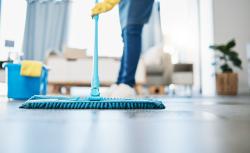
This section synthesizes the available evidence on the effectiveness of cleaning to remove indoor contaminants post-wildfire smoke episode.
Laguerre et al. tested the effectiveness of several cleaning techniques on glass and cotton that were exposed to smoke generated by burning Douglas Fir and Western Red Cedar needles in a laboratory chamber.42 For these experiments, PM2.5 reached concentrations of 156 ± 60 µg/m3 (mean ± SD) in the exposure chamber. When comparing the use of ethanol with a commercial cleaner (brand not reported), PAH concentrations on the glass samples were reduced by 71% and 62%, respectively, after cleaning. For the cotton samples, washing in a washing machine and drying the sample removed 48% of PAHs (8.30 vs. 4.33 µg/m2). However, chrysene and fluoranthene levels remained elevated post cleaning, with a 1.5% increase and a 36% decrease, respectively, compared to exposed samples. From these experiments, Laguerre et al. also estimated the inhalation and dermal exposures for total PAHs to be 43 and 102 ng/day, respectively. These values were reduced to 10 and 50 ng/day, respectively, when cleaning techniques were used.
In Li et al., the effect of HEPA vacuuming, wet mopping, and dry dusting surfaces on airborne VOC concentrations was assessed in a test house exposed to smoke generated from burning pinewood chips.43 The combination of cleaning techniques reduced airborne VOC concentrations of formic acid (HCOOH) by 50.3%, formaldehyde (HCOH) by 32%, and furan (C4H4O) by 19%, as well as WSOCg by 39% for the duration of sampling (12 h). Compared with cleaning, the use of a portable air cleaner (PAC) with an activated charcoal filter only reduced airborne concentrations of formic acid by 3.8%, formaldehyde by 3.1%, and furan by 4.8%. Furthermore, these the concentrations returned to pre-PAC levels 30 minutes after the PAC was turned off. Li et al. also examined the utility of opening windows in removing VOCs, reporting high efficiency values in reducing total VOC concentrations by 74%, but after three hours no further reductions were observed. In summary, vacuuming, mopping, and dusting were more effective at reducing airborne VOC levels than ventilation or use of a PAC.
After the 2021 Marshall fire, the effectiveness of do-it-yourself (DIY) PACs was assessed by Dresser et al. in one home, reporting airborne VOC average concentration reductions of approximately 50%.38 The PACs used in this study were Corsi-Rosenthal boxes with pleated air filters coated with activated carbon, which may explain the greater effectiveness at reducing VOC levels. Although, after the machines were turned off, VOC concentrations rebounded close to initial values within six hours. Ventilation by opening windows was also assessed in this study, measuring 55–85% reductions in VOC concentrations when five windows upstairs and five windows on the main level of the home were opened. However, approximately two hours after the windows were closed, the VOC concentrations rebounded close to initial levels, indicating the presence of strong indoor reservoirs.
The effectiveness of removing contaminated material was assessed by Link et al. in a test-home study.45 The carpets that covered approximately 80% of the floor in the house were removed 100 days after the burn period. After carpet removal, there was a 20% reduction in VOC concentrations compared with air samples taken on day 98. However, the authors indicate that they did not test the carpet itself as a source of VOC emissions prior to the burn period of the study, and some of the observed decrease may have been due to the removal of the carpet material, not smoke pollutants.
The choice of cleaning agent has also been examined when remediating indoor surfaces after a wildfire smoke episode. In Jorga et al., hypochlorous acid mixed with pinewood smoke in a laboratory chamber produced secondary pollutants.14 Hypochlorous acid is a strong oxidant emitted during cleaning with chlorine-cleaning agents such as bleach. Although the specific secondary pollutants were not reported, the authors noted that the mixture included organochlorine species, which are known to be toxic.
In summary, wet wiping and mopping, and HEPA vacuuming have been demonstrated to be effective methods to reduce wildfire smoke pollutants indoors. However, most studies to date have been in a laboratory setting. Air filtration with PACs and ventilation are also effective at reducing airborne smoke pollutants but do not eliminate the source of the pollutants, namely surfaces where adsorbed and absorbed pollutants may be released over time. There remain evidence gaps on the effectiveness of cleaning strategies for wildfire smoke pollutants, especially settled dust and deposited trace metals after wildfire smoke episodes, including evidence on the effectiveness of different cleaning products and methods for specific types of contaminants (e.g., VOCs, and PAHs). Areas for further study include understanding how wildfire pollutants absorb and desorb from common indoor materials (e.g., furniture, curtains, stuffed animals, clothing, carpets, or hardwood flooring), which could guide the choice of remediation strategy (i.e., disposal vs. cleaning).
Summary
Wildfire smoke introduces a complex mixture of pollutants into indoor environments, where they can deposit on surfaces, persist, and be resuspended or desorbed back into the air. Resuspended wildfire smoke PM is different from normal house dust, and people exposed could experience effects ranging from minor irritation and inflammation of the eyes and respiratory tract to serious exacerbations of chronic respiratory diseases depending on the level of impact and duration of exposure. For this reason, public health and other agencies typically recommend using respiratory protection (e.g., N95 or half-face elastomeric respirator) upon returning home until an initial assessment and/or clean up has been completed.
Evidence from field studies and laboratory experiments shows that PM, polycyclic aromatic hydrocarbons (PAHs), volatile organic compounds (VOCs), and trace metals accumulate indoors following wildfire smoke episodes. Concentrations were generally higher in smoke-impacted homes than in unaffected homes, but multiple studies reported ranges overlapping with typical background levels. These pollutants can persist for weeks to months, with indoor surfaces and materials acting as reservoirs that re-emit contaminants into indoor air, or household activities causing resuspension of pollutants. No human health risk assessment studies on wildfire smoke residues and dust were identified in this review, and expected health risks from the long-term exposure to these pollutants remains to be examined. Cleaning can reduce indoor pollutant levels, but effectiveness varies by pollutant type, surface, and method. Natural ventilation was also effective at reducing airborne concentrations of pollutants, but the effects were transient, with concentrations rising again after windows were closed.
PAHs were elevated in smoke-impacted homes in two studies directly following a wildfire smoke episode, with one study reporting 16% higher median total concentrations of 16 priority PAHs in settled dust. In laboratory experiments, PAHs readily accumulated on test-house indoor materials and persisted for extended periods, up to 40 days. VOCs from wildfire smoke also interacted strongly with indoor surfaces, with surface materials rapidly absorbed VOCs. However, these same materials later acted as emissions sources. VOC persistence varied by chemical properties and surface type, with evidence suggesting that VOCs may remain in indoor environments for weeks to months.
Trace metals associated with wildfire smoke were also detected in indoor dust. For instance, two months after the 2021 Marshall fire, median concentrations of heavy metals in smoke-affected dust were 15% higher than background samples. Similarly, two years after the 2016 Horse River wildfire, concentrations of several metals, including aluminum, arsenic, and vanadium, were significantly higher in homes located in more severely impacted neighborhoods, even after accounting for occupational factors. Elevated levels of lead were also found in homes impacted by the Los Angeles wildfires and the Latrobe Valley coal mine fire, but in both cases the authors speculated this may be due to the presence of lead paint.
Across field and laboratory studies, smoke PM was consistently detected in settled dust indoors. PM2.5 and PM10 concentrations were generally low in unoccupied homes, with spikes noted during cleaning activities two months after a wildfire. Although spikes of similar magnitude can be found in homes not affected by wildfires due to everyday activities, the composition of indoor dust is altered after a smoke episode and may have higher health risks associated with exposure.
Cleaning interventions reduced indoor wildfire smoke pollutants, but the effectiveness varied by method and pollutant. In laboratory experiments, cleaning of smoke-exposed glass reduced PAH concentrations by 62–71%, depending on cleaner type, while laundering cotton reduced PAHs by 48%. In test-house experiments, combined vacuuming, mopping, and dusting reduced airborne VOC concentrations by 19–50%. In contrast, PACs with activated charcoal filters reduced VOC concentrations by less than 5%, and the effects disappeared within 30 minutes after use. However, another study indicated DIY PACs with activated charcoal filters reduced VOC concentrations by approximately 50%, although levels rebounded after the PACs were turned off. Ventilation reduced VOC concentrations by 55–85% across two studies, but this benefit declined within hours. Together, these studies indicate short-term effectiveness of cleaning methods in removing VOCs and PAHs; however, there remain evidence gaps related to long-term effectiveness, material-specific cleaning strategies, and wildfire-related settled dust and trace metals.
Overall, the evidence shows that wildfire-smoke episodes lead to the accumulation and long-term persistence of particulate matter, PAHs, VOCs, and trace metals on indoor surfaces. These pollutants can be resuspended or re-emitted into indoor air during normal household activities, extending potential exposures well beyond the wildfire smoke event itself. While cleaning and ventilation can substantially reduce some contaminants, their short-term effectiveness varies and long-term effectiveness has not been addressed. These limitations underscore the need for careful, evidence-informed guidance to minimize ongoing indoor exposure after wildfire smoke episodes.
Acknowledgements
We acknowledge the valued input from those who assisted in the production and review of this document, including Michele Wiens, Information Specialist, NCCEH; Juliette O’Keeffe, Senior Scientist, NCCEH; and Sarah Henderson, Scientific Director, NCCEH.
Appendix A: Study details
|
Reference |
Setting |
Date |
Pollutants |
Design |
Quality |
|
Goftari et al. 2026 |
Los Angeles County, California (Palisades and Eaton Fires); residential homes (n = 19) |
January 2025 (fires), March 2025 (sampling) |
PM₂.₅, PM₁₀, total VOCs, trace metals |
Analytical Cross Section |
High |
|
Pei et al. 2026 |
Los Angeles County, California (Palisades and Eaton Fires); residential homes (n = 50) |
January 2025 (fires), February 10–April 1, 2025 (sampling) |
VOCs |
Analytical Cross Section |
High |
|
Yao et al. 2026 |
Los Angeles County, California (Palisades and Eaton Fires); residential homes (n = 22) |
January 2025 (fires), January 8–February 18, 2025 (sampling) |
VOCs |
Analytical Cross Section |
High |
|
Silberstein et al. 2023
|
Boulder County, Colorado, USA (Marshall Fire); residential homes (n = 8) |
December 30–31, 2021 (fire), January– February 2022 (sampling) |
PM₂.₅, PM₁₀, trace metals, and PAHs |
Analytical Cross Section |
Moderate |
|
Spurgeon et al. 2022 |
Northern California, USA (22 wildfires); residential homes (n = 343) |
2017–2020 |
Char, soot, and ash |
Analytical Cross Section |
Moderate |
|
Dingle et al. 2021 |
Fort McMurray, Alberta, Canada; residential homes (n = 125) |
2016–2018 |
Trace metals |
Analytical Cross Section |
High |
|
Wheeler et al. 2020 |
Latrobe Valley, Victoria, Australia (coal mine fire); residential homes (n = 39) |
February 9–March 26, 2014 (fire) |
PAHs, trace metals |
Analytical Cross Section |
High |
|
Kohl et al. 2019 |
Fort McMurray, Alberta, Canada; residential homes (n = 64) |
2016 |
PAHs, and trace metals |
Analytical Cross Section |
High |
|
Deeleepojananan et al. 2025 |
Laboratory chamber experiments using ponderosa pine woodchips |
NA |
VOCs |
Quasi-experimental |
High |
|
Farmer et al. 2025 |
Experimental residential house, ponderosa pine woodchips |
NA |
PM |
Quasi-experimental |
High |
|
Studies that include cleaning |
|||||
|
Link et al. 2026 |
Experimental residential house, pine-spruce wood mixed with gypsum and plastics |
NA |
Non-Methane VOCs |
Quasi-experimental |
High |
|
Dresser et al. 2025 |
Boulder County, Colorado, USA (Marshall Fire); residential homes (n = 1) |
December 30-31, 2021 (fire), January–February 2022 (sampling) |
PAHs, VOCs |
Quasi-experimental |
High |
|
Laguerre et al. 2024 |
Laboratory chamber experiments using Douglas Fir and Western Red Cedar needles |
NA |
PAHs |
Quasi-experimental |
High |
|
Jorga et al. 2023 |
Laboratory chamber experiments using peat tablets and pine wood chips |
NA |
VOCs |
Quasi-experimental |
Moderate |
|
Li et al. 2023 |
Experimental residential house, ponderosa pine woodchips |
NA |
VOCs |
Quasi-experimental |
Moderate |
Abbreviations: NA: not applicable, PAH: polycyclic aromatic hydrocarbons, PMx-y: particulate matter x-y µm in diameter, VOC: volatile organic compound, SVOC: semi-volatile organic compound, WSOCg: water-soluble organic compounds in the gas phase.
References
- Huff RD. Wildfire smoke: What is the relationship between outdoor and indoor air pollutants. Vancouver, BC: National Collaborating Centre for Environmental Health; 2026 Feb. Available from: https://ncceh.ca/resources/evidence-reviews/wildfire-smoke-what-relationship-between-outdoor-and-indoor-air#h2-8.
- ANSI/IICRC. ANSI/IICRC Standard for professional fire and smoke damage restoration S700-2025 (First Edition). Las Vegas NV: Institute of Inspection, Cleaning and Restoration Certification; 2025. Available from: https://iicrc.org/s700/.
- Technical guide for wildfire restoration Las Vegas, NV: IICRC/RIA/CIRI; 2025 Dec. Available from: https://iicrc.org/wp-content/uploads/2025/12/IICRC.RIA_.CIRI-Technical-Guide-for-Wildfire-Restoration-V2-Final-2025-12.09.pdf.
- Sparks TL, Wagner J. Composition of particulate matter during a wildfire smoke episode in an urban area. Aerosol Sci Technol. 2021;55(6):734-47. Available from: https://doi.org/10.1080/02786826.2021.1895429.
- Yin Z, Huang X, He L, Cao S, Zhang JJ. Trends in ambient air pollution levels and PM 2.5 chemical compositions in four Chinese cities from 1995 to 2017. J Thorac Dis. 2020;12(10):6396-410. Available from: https://doi.org/10.21037/jtd-19-crh-aq-004.
- Wentworth GR, Aklilu Y-a, Landis MS, Hsu Y-M. Impacts of a large boreal wildfire on ground level atmospheric concentrations of PAHs, VOCs and ozone. Atmos Environ. 2018;178:19-30. Available from: https://doi.org/10.1016/j.atmosenv.2018.01.013.
- Verma V, Polidori A, Schauer JJ, Shafer MM, Cassee FR, Sioutas C. Physicochemical and toxicological profiles of particulate matter in Los Angeles during the October 2007 Southern California wildfires. Environ Sci Technol. 2009;43(3):954-60. Available from: https://doi.org/10.1021/es8021667.
- Sakamoto KM, Allan JD, Coe H, Taylor JW, Duck TJ, Pierce JR. Aged boreal biomass-burning aerosol size distributions from BORTAS 2011. Atmos Chem Phys. 2015;15(4):1633-46. Available from: https://doi.org/10.5194/acp-15-1633-2015.
- Sources of indoor particulate matter (PM). Washington, DC, USA: United States Environmental Protection Agency; 2026 Mar. Available from: https://www.epa.gov/indoor-air-quality-iaq/sources-indoor-particulate-matter-pm.
- Destaillats H, Chan WR. Remediation of indoor environments impacted by wildfire smoke: A review of available information and research needs. Indoor Environ. 2025 2025/09/01/;2(3):100112. Available from: https://www.sciencedirect.com/science/article/pii/S2950362025000414.
- Liang Y, Wernis RA, Kristensen K, Kreisberg NM, Croteau PL, Herndon SC, et al. Gas–particle partitioning of semivolatile organic compounds when wildfire smoke comes to town. Atmos Chem Phys. 2023;23(19):12441-54.
- Lowther SD, Jones KC, Wang X, Whyatt JD, Wild O, Booker D. Particulate matter measurement indoors: A review of metrics, sensors, needs, and applications. Environ Sci Technol. 2019 Oct 15;53(20):11644-56. Available from: https://www.ncbi.nlm.nih.gov/pubmed/31512864.
- Health Canada. Guidance for indoor air quality professionals. Ottawa, ON: Health Canada; 2025 Sep. Available from: https://www.canada.ca/en/health-canada/services/publications/healthy-living/guidance-indoor-air-quality-professionals.html.
- Jorga SD, Wang Y, Abbatt JPD. Reaction of HOCl with Wood Smoke Aerosol: Impacts on Indoor Air Quality and Outdoor Reactive Chlorine. Environ Sci Technol. 2023 2023/01/24;57(3):1292-9. Available from: https://doi.org/10.1021/acs.est.2c07577.
- Zhou S, Hwang BCH, Lakey PSJ, Zuend A, Abbatt JPD, Shiraiwa M. Multiphase reactivity of polycyclic aromatic hydrocarbons is driven by phase separation and diffusion limitations. Proc Natl Acad Sci U S A. 2019 Jun 11;116(24):11658-63. Available from: https://www.ncbi.nlm.nih.gov/pubmed/31142653.
- Reid CE, Finlay J, Hannigan M, Rieves ES, Walters H, Welton-Mitchell C, et al. Physical health symptoms and perceptions of air quality among residents of smoke-damaged homes from a wildland urban interface fire. ACS EST Air. 2025 Jan 10;2(1):13-23. Available from: https://www.ncbi.nlm.nih.gov/pubmed/39817255.
- Alberta Health Services. Reopening Buildings, Homes, and Businesses After a Wildfire. Edmonton, AB: Government of Alberta; 2024 Aug. Available from: https://www.albertahealthservices.ca/assets/wf/eph/wf-eph-reopening-building-home-business-wildfire.pdf.
- Newfoundland and Labrador Department of Environment and Climate Change. Returning Home Safely After a Wildfire. St John's, NL: Government of Newfoundland and Labrador; 2025 Aug. Available from: https://www.gov.nl.ca/alerts/files/Returning-Home-Safely-After-a-Wildfire.pdf.
- Wildfire smoke factsheet: Protect yourself from ash. Washinton, DC, USA: United States Environmental Protection Agency; 2021 Jul. Available from: https://www.airnow.gov/sites/default/files/2021-07/protect-yourself-from-ash-factsheet.pdf.
- Wildfire response: Guide for environmental public health professionals. Denver, CO, USA: National Environmental Health Association; 2023. Available from: https://www.neha.org/Images/resources/2023-Wildfire-Guide_Digital.pdf.
- Indoor air quality after a fire. Denver, CO, USA: Colorado Department of Public Health and Environment. Available from: https://cdphe.colorado.gov/iaq-fires.
- Returning home after wildfire evacuation. Halifax, NS: Goverment of Nova Scotia; 2025 Dec. Available from: https://emergencyinfo.novascotia.ca/sites/default/files/2025-12/returning-home-after-wildfire-evacuation-impacted-properties-en.pdf.
- Cleaning up after a forest fire Prince Albert, SK: Northern Inter-Tribal Health Authority; 2015 Jul. Available from: https://www.nitha.com/wp-content/uploads/2022/06/Cleaning-up-After-a-Forest-Fire-FINAL-2.pdf.
- Returning home from an evacuation: Cleaning soot, ash or forest fire residue in a home or buildings. Chisasibi, QC: Cree Board of Health and Social Services of James Bay; 2025 Jan. Available from: https://www.creehealth.org/health-tips/returning-home-evacuation-cleaning-soot-ash-or-forest-fire-residue-home-or-buildings.
- Marshall fire mitigation assessment team: Homeowner’s guide to risk reduction and remediation of residential smoke damage. Washinton, DC, USA: United States Federal Emergency Management Agency; 2025 Apr. Available from: https://www.fema.gov/sites/default/files/documents/fema_rsl_marshall-mat-homeowners-guide-to-risk-reduction-and-remediation-of-residential-smoke-damage_042025.pdf.
- Returning home safely after a wildfire. Yellowknife,NT: Government of Northwest Territories; 2023 May. Available from: https://www.maca.gov.nt.ca/sites/maca/files/resources/returning_home_safely_after_a_wildfire_-_may_2023.pdf.
- AIHA® technical guide for wildfire impact assessments for the OEHS professional, 2nd edition. Falls Church, VA: American Industrial Hygienist Association; 2025. Available from: https://www.aiha.org/education/marketplace/wildfire-impact-assessments-for-the-oehs-professional.
- Phalen D, Nieusma JL. Industrial hygiene method for assessing toxic contamination in smoke and fire-damaged homes. Toxicol Mech Methods. 2026 Jan;36(1):108-21. Available from: https://doi.org/10.1080/15376516.2025.2561118.
- Sanchez-Garcia C, Santin C, Neris J, Sigmund G, Otero XL, Manley J, et al. Chemical characteristics of wildfire ash across the globe and their environmental and socio-economic implications. Environ Int. 2023 Aug;178:108065. Available from: https://www.ncbi.nlm.nih.gov/pubmed/37562341.
- Spurgeon JC, Seif F, Mirica E. Residues in Residential Properties. 2022. Available from: https://ciriscience.org/wp-content/uploads/2023/06/Wildfire-Sampling-paper-Fall-2022.pdf.
- Silberstein JM, Mael LE, Frischmon CR, Rieves ES, Coffey ER, Das T, et al. Residual impacts of a wildland urban interface fire on urban particulate matter and dust: a study from the Marshall Fire. Air Qual Atmos Health. 2023 2023/09/01;16(9):1839-50. Available from: https://doi.org/10.1007/s11869-023-01376-3.
- Goftari E, Carias JR, Fulford L, Li H. Post-wildfire indoor pollution in wui areas following the 2025 Los Angeles Fires. Part I. Establishing baseline contaminant levels prior to home reoccupation. ACS EST Air. 2026 Jan 9;3(1):142-55. Available from: https://www.ncbi.nlm.nih.gov/pubmed/41536327.
- Farmer DK, Vance ME, Poppendieck D, Abbatt J, Alves MR, Dannemiller KC, et al. The chemical assessment of surfaces and air (CASA) study: using chemical and physical perturbations in a test house to investigate indoor processes. Environ Sci: Process Impacts. 2025;27(6):1551-72. Available from: http://dx.doi.org/10.1039/D4EM00209A.
- Shi Y, Ji Y, Sun H, Hui F, Hu J, Wu Y, et al. Nanoscale characterization of PM2.5 airborne pollutants reveals high adhesiveness and aggregation capability of soot particles. Sci Rep. 2015 Jul 16;5:11232. Available from: https://www.ncbi.nlm.nih.gov/pubmed/26177695.
- Ma Y, Harrad S. Spatiotemporal analysis and human exposure assessment on polycyclic aromatic hydrocarbons in indoor air, settled house dust, and diet: A review. Environ Int. 2015 Nov;84:7-16. Available from: https://www.ncbi.nlm.nih.gov/pubmed/26197059.
- Wilcke W. Synopsis polycyclic aromatic hydrocarbons (PAHs) in soil — a review. Journal of Plant Nutrition and Soil Science. 2000;163(3):229-48. Available from: https://doi.org/10.1002/1522-2624(200006)163:3%3C229::AID-JPLN229%3E3.0.CO;2-6.
- Wan Y, North ML, Navaranjan G, Ellis AK, Siegel JA, Diamond ML. Indoor exposure to phthalates and polycyclic aromatic hydrocarbons (PAHs) to Canadian children: the Kingston allergy birth cohort. J Expo Sci Environ Epidemiol. 2022 Jan;32(1):69-81. Available from: https://www.ncbi.nlm.nih.gov/pubmed/33854194.
- Dresser WD, Silberstein JM, Reid CE, Vance ME, Wiedinmyer C, Hannigan MP, et al. Volatile organic compounds inside homes impacted by smoke from the Marshall fire. ACS EST Air. 2025 Jan 10;2(1):4-12. Available from: https://www.ncbi.nlm.nih.gov/pubmed/39817253.
- Kohl L, Meng M, de Vera J, Bergquist B, Cooke CA, Hustins S, et al. Limited Retention of Wildfire‐Derived PAHs and Trace Elements in Indoor Environments. Geophys Res Lett. 2019;46(1):383-91. Available from: https://doi.org/10.1029/2018GL080473.
- Alberta Environment and Protected Areas. Alberta tier 1 soil and groundwater remediation guidelines. Edmonton, AB: Government of Alberta; 2024 Jun. Available from: https://open.alberta.ca/publications/1926-6243.
- Wheeler AJ, Jones PJ, Reisen F, Melody SM, Williamson G, Strandberg B, et al. Roof cavity dust as an exposure proxy for extreme air pollution events. Chemosphere. 2020 Apr;244:125537. Available from: https://www.ncbi.nlm.nih.gov/pubmed/32050337.
- Laguerre A, Gall ET. Polycyclic Aromatic Hydrocarbons (PAHs) in Wildfire Smoke Accumulate on Indoor Materials and Create Postsmoke Event Exposure Pathways. Environ Sci Technol. 2024 2024/01/09;58(1):639-48. Available from: https://doi.org/10.1021/acs.est.3c05547.
- Li J, Link MF, Pandit S, Webb MH, Mayer KJ, Garofalo LA, et al. The persistence of smoke VOCs indoors: Partitioning, surface cleaning, and air cleaning in a smoke-contaminated house. Science Advances. 2023;9(41):eadh8263. Available from: https://www.science.org/doi/abs/10.1126/sciadv.adh8263.
- Health Canada. Residential indoor air quality guidelines: Acrolein. Ottawa, ON: Health Canada; 2024 Nov. Available from: https://www.canada.ca/en/health-canada/services/publications/healthy-living/residential-indoor-air-quality-guidelines-acrolein.html#a6.
- Link MF, Davis AY, Lima NM, Falkenstein-Smith RL, Robertson RL, Cleary TG, et al. Time scales of gaseous smoke contamination indoors from real and simulated wildland-urban interface fires. ACS EST Air. 2026 Jan 9;3(1):224-35. Available from: https://www.ncbi.nlm.nih.gov/pubmed/41536322.
- Yao Y, Garcia-Gonzales D, Li J, Niu M, Nie Q, Jerrett M, et al. Indoor and outdoor volatile organic compound levels during and after the 2025 Los Angeles wildfires. Environ Sci Technol Lett. 2026;13(1):70-5. Available from: https://doi.org/10.1021/acs.estlett.5c00919.
- Pei G, Azimi P, Keshavarz Z, Vallarino J, Kessler W, Park S, et al. Levels and sources of airborne volatile organic compounds in fifty homes following the 2025 Los Angeles wildfires. ACS ES&T Air. 2026;3(6):1552-63. Available from: https://doi.org/10.1021/acsestair.5c00508.
- Deeleepojananan C, Pandit S, Li J, Schmidt DA, Farmer DK, Grassian VH. Chemical Transformations of Infiltrated Wildfire Smoke on Indoor-Relevant Surfaces. Environ Sci Technol. 2025 2025/04/29;59(16):8048-59. Available from: https://doi.org/10.1021/acs.est.4c11771.
- Dingle JH, Kohl L, Khan N, Meng M, Shi YA, Pedroza-Brambila M, et al. Sources and composition of metals in indoor house dust in a mid-size Canadian city. Environ Pollut. 2021 Nov 15;289:117867. Available from: https://www.ncbi.nlm.nih.gov/pubmed/34375850.