

We prepared this animated video on health checks during extreme heat to accompany our Extreme heat health check tool, which is available in English, French, Chinese (Traditional and Simplified) and Punjabi. Learn how timely check-ins can save lives during extreme heat and share widely.
Transcript
Checking in on friends, family, and neighbours during a heat wave can be lifesaving.
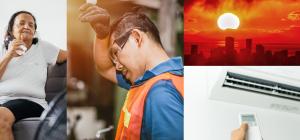
When it gets very hot, it’s important to think about people at risk, especially if they live alone or do not have air conditioning. Sustained indoor heat can be deadly, especially overnight.
“Older adults, people living with disabilities, and those with conditions like heart disease, lung disease, or mental illness may need extra support.”
That’s why the NCCEH created the Extreme Heat Health Check Tool, a simple guide to help you check in on others, in person or remotely.
It shows you how to spot signs of heat illness and suggests what steps to take. That might include moving someone to a cooler space, using wet cloths or ice packs, or calling 911, if needed.
The tool also helps you assess the home environment. Indoor temperatures over 26 Celsius can be risky, and over 31 Celsius can be dangerous. Fans are not enough to keep susceptible people safe.
Health checks should be done twice a day during extreme heat. If you can’t visit, check in by phone or video chat instead.
Together, we can help protect our communities.
Visit NCCEH.ca to get your copy of the Heat Health Check Tool.