

Artificial turf playing fields: A review of the evidence on health risks and environmental concerns

Key Messages |
Chemical composition
Understanding health risks
Environmental concerns
Mitigation strategies
|
Key acronyms
6PPD: N-(1,3-dimethylbutyl)-N′-phenyl-p-phenylenediamine
ECHA: European Chemicals Agency
EPDM: ethylene propylene diene monomer
HHRA: human health risk assessment
PAH: polycyclic aromatic hydrocarbon
PFAS: per- and polyfluoroalkyl substance
SBR: styrene-butadiene
SVOC: semi-volatile organic compound
TPE: thermoplastic elastomer
VOC: volatile organic compound
Introduction
Access to outdoor recreation spaces, including playing fields that are safe and inclusive, is essential to promote physical activity, social connection, and mental well-being among people of all ages.1-3 Currently, most playing fields in Canada are natural grass, gravel, or sand, and some playing fields are composed of synthetic materials. These synthetic turfs, also known as artificial turf, are considerably more expensive to install than natural turf; however, they may be less expensive to maintain.4 They can be used both indoors and outdoors and offer significantly greater playtime than natural turf, owing to their resistance to becoming muddy in adverse weather and their overall durability.4 However, public concerns over the health and environmental impacts of artificial turf can affect where and how these fields are installed.
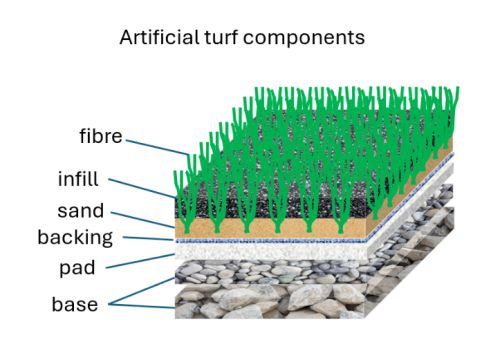
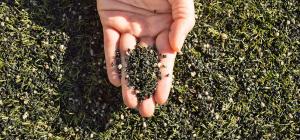
Artificial turf playing fields have used the same materials since the late 1990s and have multiple layers, including foundation layers of crushed rocks, a cushioning pad, a plastic backing, a mat of plastic turf fibres attached to the backing, a leveling layer of sand, and cushioning infill. In North America, 95% of artificial turf fields use infill made of small pieces of crumb rubber made from recycled tires.5 Different types of infill have been developed as substitutes for tire crumb rubber and make up the remining 10% of artificial turf field infill. These include sand, coconut husks, cork, olive pits, wood chips, thermoplastic elastomers (TPE), ethylene propylene diene monomer (EPDM), and acrylic polymer-coated sand.6 Crumb rubber infill may also be coated with EPDM to add colour or potentially reduce its environmental impacts.6 Infill is typically replenished every one to two years because it disperses away from playing fields and is degraded through play.
In 2020, there were approximately 13,000 artificial turf playing fields in the United States (US), rising to an estimated 19,000 by 2025.7,8 Based on available data for Canada, 681 public artificial turf fields and 10,655 natural turf fields were in use as of 2022.9 This does not account for privately owned fields at universities, private schools, or other facilities in Canada.
There is limited information on the type, number, and location of indoor and outdoor artificial turf fields across Canada, although most are in urban municipalities (> 85%).10 In large cities such as Vancouver and Toronto, publicly owned artificial turf fields represent a minority of playing fields. For example, in Vancouver, approximately 10% of publicly owned fields are artificial turf. Both Toronto and Vancouver plan to expand the number of artificial turf playing fields.4,11,12
Health authorities in Canada are often tasked with responding to environmental and public health concerns raised about artificial turf playing field installations. This requires public health officials to review and evaluate complex and technical information from both human health risk assessments (HHRAs) and health impact assessments (HIAs). Municipalities also participate in assessing proposals and often contract environmental consultants to evaluate site-specific risks involving runoff, materials used, and public concerns. They also make final decisions about field installations, maintenance, and materials used and can set design guidelines that affect how and where artificial turf fields are installed.
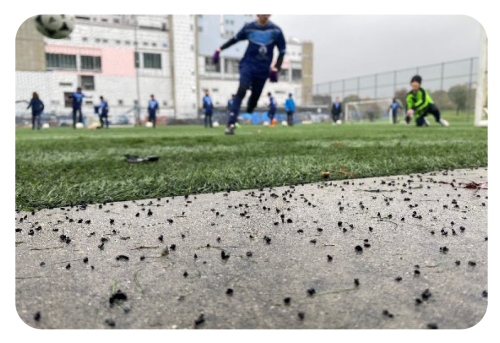
Artificial turf playing fields have been the subject of increasing scrutiny due to concerns about their potential health and environmental impacts.6,13,14,15 The presence of harmful chemicals in artificial turf, particularly in styrene-butadiene (SBR) crumb rubber (referred to as “crumb rubber” in this document) cushioning infill is well documented. Metals, volatile organic compounds (VOCs), semi-volatile organic compounds (SVOCs) including polycyclic aromatic hydrocarbons (PAHs), and per- and polyfluoroalkyl substances (PFAS) have all been found in the synthetic materials used in artificial turf fields.6-15,16,17 Tire additive N-(1,3-dimethylbutyl)-N′-phenyl-p-phenylenediamine (6PPD) and its oxidation product, 6PPD-quinone (6PPD-Q), are also found in artificial turf crumb rubber.18,19,20,21 These chemicals accumulate on roads through tire wear, and can reach high concentrations in stormwater road runoff, resulting in salmonid toxicity during and after storm events.22 Salmon, a variety of salmonid, are a hugely important part of Indigenous culture, diet, economy, and spiritual life, particularly for First Nations on the Pacific Coast, where they are regarded not only as a vital food source but also as a symbol of life, renewal, and connection to the natural world.23,24
There are few published epidemiological studies about the health impacts of artificial turf exposure, but several HHRAs have sought to assess whether exposure to artificial turf, particularly crumb rubber infill, poses a human health risk.25,26 Other health concerns related to artificial turf are not often evaluated through HHRAs. These include extreme heat exposure, skin abrasions, and potential for methicillin-resistant Staphylococcus aureus (CA-MRSA) infections (especially in American football players), lower limb injuries, and concussions acquired during play.27-33
The use of artificial turf fields also raises several environmental concerns related to microplastic pollution, chemical runoff, stormwater management, the built environment and urban heat islands, waste management, water use, and greenhouse gas emissions.13,16
In 2022, the NCCEH summarized evidence from HHRAs on crumb rubber used for artificial turf infill.26 This updated review synthesizes more recent evidence on health risks of artificial turf, primarily assessed through HHRAs, including recent results from two comprehensive US studies.34,35 It also draws on evidence from a broad range of sources, including systematic scoping and literature reviews, as well as primary research studies. These studies have investigated the chemical composition of artificial turf, as well as the potential release of these chemicals into leachate, air, and soil. Studies on other health risks linked to the use of artificial turf, such as skin infections, lower leg injuries, and heat exposure are also included. An overview on the broader environmental impacts associated with artificial turf is presented, alongside strategies to mitigate both health and environmental concerns.
Methodology
Literature search
We searched the scholarly and grey literature for evidence on the health and environmental impacts of artificial turf playing fields. The following research questions guided the literature search:
- What are the potential human health risks from exposure to chemicals present in artificial turf and infill, and play on artificial turf fields?
- What are the broader environmental impacts associated with artificial turf fields?
- What are some alternatives and strategies to reduce potential chemical exposures and environmental impacts from artificial turf fields?
Search terms included variants and Boolean operator combinations of terms related to artificial/synthetic turf/crumb rubber on sports or playing fields, potential chemicals, and routes of chemical exposure. A full list of terms is presented in Appendix A.
EBSCOhost databases (includes MEDLINE, CINAHL, Academic Search Complete, ERIC), Google Scholar and Google were scanned for results. Relevant English-language results published from January 2014 to May 2025 were collected. Additional literature was identified through backward chaining of relevant literature retrieved from the search results, along with supplemental searches, as necessary. A single reviewer assessed the retrieved papers for inclusion, and the findings were synthesized narratively. Artificial intelligence was not used in any aspect to produce this review.
To be included, HHRAs needed to examine the potential hazards and risks associated with artificial turf playing fields that use crumb rubber infill, TPE, EPDM or other infill, or artificial turf component, offering insights into exposure pathways and chemicals studied.
The synthesis of this evidence review underwent both internal and external review. Reviewers are listed in the acknowledgement section. Expert input was sought from individuals in Canada with technical expertise or knowledge of public health concerns related to the health and environmental impacts of artificial turf playing fields. These consultees contributed to the review of this document prior to publication.
Background to understanding human health risk assessments (HHRA)
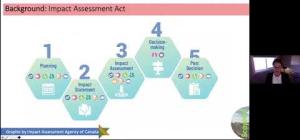
An HHRA is a systematic, evidence-based process that can assess the probability of carcinogenic or non-carcinogenic health risks following population exposure to a substance.36 An HHRA examines the ways in which human exposure occurs, the magnitude of that exposure, and whether those exposures are likely to cause harm. This step-by-step process distinguishes between a hazard (i.e., something potentially harmful being present) and the associated risks (i.e., the likelihood of harm occurring from the hazard under specific conditions). An example HHRA process is laid out for artificial turf in Figure 1.
Figure 1. Example of the human health risk assessment (HHRA) steps for artificial turf components. Not all HHRAs would follow this exact process.
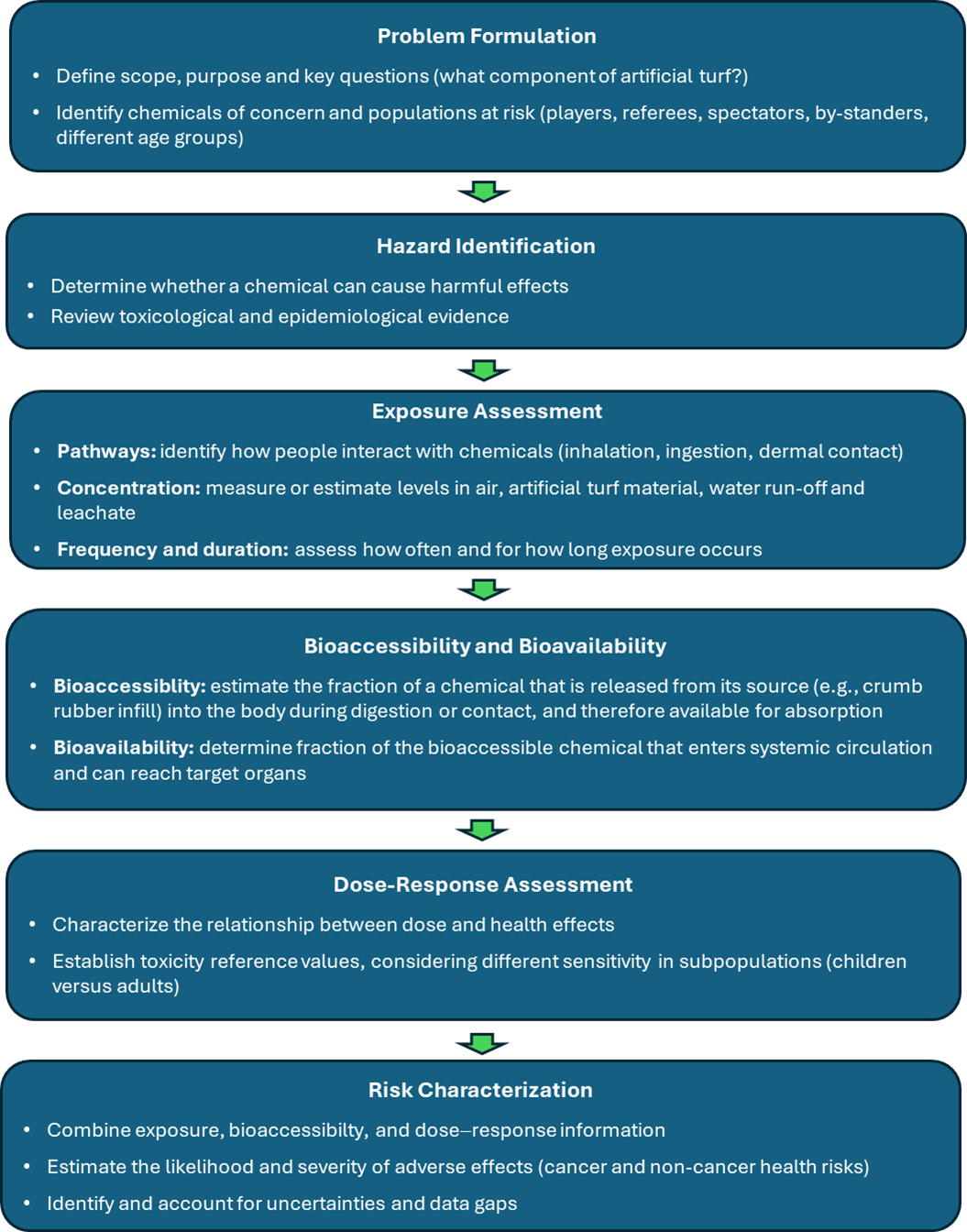
Source: Adapted from Eykelbosh 2022 and US FDA Conducting a human health risk assessment.26,36
Results
Why is artificial turf being used?
There are several drivers for the increased use of artificial turf fields globally, including waste reutilization, cost savings, and increasing access to play.
Waste management and recycling: The use of crumb rubber infill in artificial turf playing fields helps repurpose waste from large quantities of end-of-life vehicle tires. Recycling and alternative uses for this waste is prioritized, and often incentivized over incineration and landfill disposal due to serious environmental concerns.37 Virtually all truck and car tires in Canada are recycled or repurposed38 in uses such as construction materials, athletic tracks, playground surfaces, rubberized asphalt, and crumb rubber infill for artificial turf sports fields.13 Approximately 7% of the recycled tire rubber in the US is used for infill.20 Recycling tires into artificial turf infill allows the material to be used in a new application for eight to 20 years. Artificial turf fields and their infill are, however, rarely recycled at the end of their lifespan and usually end up in landfills.
Economic cost: While artificial turf fields have higher installation and end of life costs than natural options, they generally have lower maintenance costs and reduced water, pesticide, and fertilizer consumption.4,39 However, the life span of natural turf is up to 50 years, compared with up to 20 years for artificial turf.40 As such, there are some contrary reports about the lifetime cost savings of artificial turf. A recent US study found no cost benefit over natural turf over 25 years; however, the study did not consider that artificial turf fields provide more available hours of play.41
Access to play and a consistent surface: Artificial turf is often promoted for its ability to increase access to play and support year-round use regardless of weather.42 Artificial turf field surfaces have a more consistent surface, given their durable components.13 Artificial turf can be used for an estimated 3,000 hours/field over the whole year, whereas natural turf can accommodate 200–600 hours/field, limited to six to eight months of the year.4
What are the health risks associated with artificial turf?
People are exposed to a range of pollutants in the natural and built environment on a daily basis, including plastic pollution from food packaging, textiles, pharmaceuticals, and construction materials and other background sources of metals, particulate matter (PM), dust, nitrogen oxides, VOCs, metals, hydrocarbons, pesticides, and pathogens in air, water, food, and soil.43,44,45,46 Canada recognizes a wide array of organic and inorganic chemicals as potentially toxic substances under the Canadian Environmental Protection Act, 1999 (CEPA).47 Chemical presence in a substance, even at a high concentration, however, does not necessarily lead to human health risks. Determining the health risks from a source such as artificial turf playing fields requires an understanding of the chemical composition of the materials, the estimation of potential doses, and evaluation of the exposure pathways.
This section presents evidence on chemicals that are detected in artificial turf playing field components and their release into air, soil, and water. Subsequent sections synthesize evidence on HHRAs and epidemiology studies that investigate health risks. Finally, evidence on other health endpoints of heat exposure, injuries, and infections are presented.
Chemicals of concern in artificial turf materials
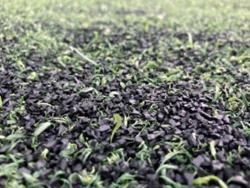
Crumb rubber infill
Metals
Zinc has consistently been detected at high levels in crumb rubber infill (13 studies; median range: 2,114 to 20,200 mg/kg).6 Zinc in crumb rubber comes from the zinc oxide that is used a catalyst in tire rubber generation. A systematic review reported that median lead concentrations in crumb rubber samples or end-of-life rubber samples (the starting material for crumb rubber) ranged from 5.20 to 71.10 mg/kg (14 of 15 studies), with one outlier value of 1,156 mg/kg.6 Cadmium median values were reported to range from 0.22 to 5 mg/kg, and mercury median values ranged from 0.0002 to 0.07 mg/kg, with one outlier at 5 mg/kg.6 The Canadian Council of Ministers of the Environment (CCME) human health guidelines for lead, cadmium and mercury in residential/parkland soil are 61 mg/kg, 14 mg/kg, and 6.6 mg/kg respectively48,49,50 Arsenic, chromium, copper, and manganese have also been detected in crumb rubber infill.6
Levels of metals detected in crumb rubber have generally been consistent over time/product age.15 However, some lead levels have been higher on some artificial turf fields than in new product, suggesting deposition and accumulation from the environment may occur.7
When tested, leachate from artificial turf has consistently high concentrations of zinc.13 Other metals (cadmium, lead, arsenic, chromium, copper, and manganese) are also released, but typically below thresholds of concern, or not greater than levels found in soil.13,16
VOCs
VOCs are organic chemicals that evaporate easily at room temperature and have been detected from crumb rubber infill.13,16,51 Results from one study reported a range of 0.37 to 975 μg/kg for benzene/toluene/xylenes.52 Older crumb rubber has lower levels of VOCs due to off-gassing over time.53 VOCs have also been found in leachate, soil, and air samples from artificial turf, but generally not above regulatory levels.13,16
PAHs
PAHs, a class of SVOCs, are a large family of organic compounds present in crumb rubber as byproducts during tire production. The European Chemicals Agency (ECHA) has a summative limit for artificial turf of 20 mg/kg for eight PAHs of concern.54 The median summative value for these eight PAHs* reported by eleven of twelve studies analyzing crumb rubber ranged from 1.82 mg/kg to 28.41 mg/kg, with an additional study that reported 450 mg/kg.6 Three of the twelve studies reported PAH levels exceeding the 20 mg/kg ECHA limit. Older samples of crumb rubber were reported to have lower levels of PAHs.15 Some studies reported PAHs in crumb rubber leachate, air and soil, but typically not at levels that would cause concern, or greater than background concentrations in soil.13,16
6PPD/6PPD-Q and other tire-derived chemicals
6PPD and 6PPD-Q, known to be toxic to salmonids, have been detected at 0.18 to 12.87 mg/kg and 0 to 28.05 mg/kg respectively.20,21 Another study showed mean concentrations of 6PPD at 570.5 mg/kg in crumb rubber infill.55 The concentrations decreased as material aged, possibly due to oxidation. Analysis of air samples found minimal release of 6PPD chemicals from crumb rubber; however, laboratory tests demonstrated substantial migration of these chemicals into simulated sweat, indicating a high level of bioaccessibility.56 Crumb rubber infill also contains vulcanizers, phthalates, and other rubber additives.51
PFAS
Some studies have revealed the presence of PFAS chemicals, specifically long-chain perfluorooctanoic acid, perfluorododecanoic acid, and perfluorotetradecanoic acid, though these chemicals are not typically found in crumb rubber.17,57 Another PFAS chemical, 8:2 fluorotelomer alcohols (FTOH), was detected in crumb rubber infill at 0.110 mg/kg,58 but studies are lacking on release.57,58
* Benzo[a]pyrene, BaP; benzo[e]pyrene, BeP; benzo[a]anthracene, BaA; chrysene, CHR, benso[b]fluoranthene; BbF; benzo[j]fluoranthene, BjF; benzo[k]fluoranthene, BkF; dibenzo[a,h]anthracene, DahA.54
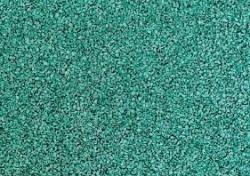
TPE, EPDM, and polymer-coated infill
Metals, PAHs, VOCs
TPE and EPDM infill have been found to have lower levels of metals than crumb rubber, but in some studies had comparable levels.6,16,59 Generally, TPE and EPDM infills have lower or similar levels of PAHs than crumb rubber; for example, median values for the sum of eight ECHA PAHs reported by three studies were 0.23 mg/kg, 1.82 mg/kg and 27.6 mg/kg for TPE and 15.3 mg/mg for EPDM in one study.6 Typically, TPE and EPDM infill have been found to have lower levels of VOCs than crumb rubber51,60; however, reported VOC release from TPE was higher than crumb rubber under high temperatures.61 Some polymeric infill coatings for crumb rubber can reduce leaching of zinc, other metals, VOC, and PAHs.62,63,64 More comparative studies are needed to understand the release or leaching of metals, PAHs, and VOCs from alternative infill materials into the environment.
PFAS, 6PPD/6PPD-Q
PFAS has been occasionally detected in EPDM infill.17,57 6PPD/6PPD-Q have not been detected in TPE or EPDM.55 Plasticizers such as phthalates are present in TPE and EPDM infill, usually at lower concentrations than crumb rubber infill.6,51
Other
Some alternative infills, such as polymer-coated sand products, are infused with microbicides and pesticides to maintain the field. Studies are lacking on release of these chemicals from artificial turf.
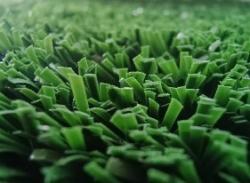
Turf fibres and backing
Metals, PAHs, PFAS
There are fewer studies on the chemical composition of artificial turf fibres and backing.6 Turf fibres typically have lower levels of metals than crumb rubber infill.6,65 However, lead was found to be present in high levels in artificial turf fibres from some fields.51,66 The median value for the sum of eight ECHA PAHs in one study analyzing chemical content of turf fibres at three fields was 1.82 mg/kg; however, the maximum value was 28.95 mg/kg.67 Backing can contain PFAS, but blades typically do not.17,57 However, evidence of 8:2 fluorotelomer alcohols (FTOH), a PFAS compound, was detected in one turf fibre sample at 0.30 mg/kg.58 There is a lack of research on the release of phthalates and PFAS from fibres and backing.17,57,58
Epidemiological studies
This review identified only two epidemiologic studies on the health risks associated with artificial turf. The Washington State Department of Health reported lower-than-expected cancer rates in young (6–24 years) soccer players and goalkeepers who played on artificial turf fields compared to all Washington residents of the same ages. However, this was a small cluster investigation and not a formal cohort study, and there were important sampling limitations.68 Another study reported on the incidence of malignant lymphoma in adolescents and young adults residing in areas of California with varying densities of synthetic turf fields. This study found no evidence that incidence of lymphoma was associated with county-level artificial turf field density.69
HHRAs on artificial turf playing fields
This review identified ten HHRAs published since 2014 on the health risks of artificial turf playing fields (Appendix B), including a comprehensive study from the State of California Office of Environmental Health Hazard Assessment (OEHHA).34,46,55,56,70,71,72,73,74,75,76,77,78 Most HHRAs assessed health risks from crumb rubber infill, but some assessed air, dust, and field runoff exposures that would not be limited to crumb rubber sources. Results from the US Federal Research Action Plan (FRAP) on “Recycled tire crumb used on fields and playgrounds” (FRAP) are also summarized below.7,35 The FRAP study was not designed to be an HHRA, but it provides a multi-site exposure assessment for outdoor and indoor playing fields and is one the most comprehensive studies on the topic to date, addressing considerable gaps in the literature.
Bioaccessibility
Bioaccessibility is a proxy for bioavailability and represents the fraction of a chemical that is soluble in biological fluids and available for absorption, with values varying widely by chemical, and testing method. Since most metals and organic compounds are chemically bound within the rubber matrix, the bioaccessibility of these chemicals in crumb rubber are often substantially lower than their bioaccessibility from food, water, or soil.71,75,79
- Metals: For ingestion of metals from crumb rubber, bioaccessibility have been reported to range from 2.5 to 67.5% for some metals (e.g., cadmium, vanadium, chromium, lead, and copper), with arsenic considered to be 100% due to its high solubility.75 Dermal contact bioaccessibility for metals from crumb rubber is considerably lower, more on the order of 10–20%. However, the recent US Federal Research Action Plan (FRAP) exposure study found that only a small fraction of metals was released from tire crumb rubber into simulated biological fluids, averaging approximately 3% in simulated gastric fluid and less than 1% in simulated saliva and sweat/sebum.7 For example, mean bioaccessibility measurements for ingestion (simulated gastric fluid) and dermal contact (simulated sweat/sebum) were 2.8% and less than 0.1% for lead and 1.1% and 0.4% for arsenic, respectively.7 Metals absorbed onto airborne particles can be inhaled, and often bioaccessibility is assumed to be 100%. However, in one study, inhalation route of exposure was considered negligible for all metals because of poor solubility in lung fluid.75
- PAHs: For the ingestion or dermal contact, bioaccessibility of PAHs from crumb rubber is considered to be low; less than 10% for simulated gastric fluid and less than 0.1% for simulated sweat.71,72 Similarly, PAHs absorbed onto airborne particles can be inhaled, and often bioaccessibility is assumed to be 100%. The recent State of California Office of Environmental Health Hazard Assessment HHRA study reported mean gastrointestinal bioaccessibility for PAHs to range from 0.6% to 6%.34
- VOCs: VOCs readily evaporate into the air and are assumed to be readily bioaccessible through inhalation; therefore, typically 100% bioaccessibilty is assumed.
Risk thresholds
For non-cancer hazards, the level of concern is assumed to be negligible when the ratio of the estimated exposure dose to the reference dose, or hazard quotient, HQ is < 1 for a single chemical or when these ratios are summed together for multiple chemicals affecting the same target organ or organ system, called a hazard index, HI. An HQ or HI > 1 indicates that adverse effects are possible; however, this is not a measure of the probability of adverse effects.80,81
Cancer risk is deemed negligible (“de minimis”) when the excess lifetime cancer risk is at or below 1 x 10⁻⁶ (1 additional case of cancer per 1,000,000 exposed persons). Risk reduction is generally recommended when estimates exceed the maximum acceptable risk of 1 x 10⁻⁴ (1 additional case per 10,000 exposed persons).80,81
Office of Environmental Health Hazard Assessment (OEHHA) draft report (2025)
The State of California OEHHA conducted a multi-year program to evaluate potential health risks from crumb rubber infill on artificial turf fields. A draft of the HHRA report was made public in March 2025, with comments sought until end of April 2025.34
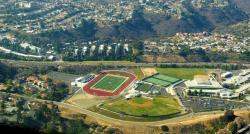
Key elements of the OEHHA study design:
- The study collected samples and environmental data from 35 randomly selected artificial turf fields of various ages and climates across California.
- Targeted and non-targeted methods were used to identify chemicals of potential concern present in crumb rubber. Samples were treated with simulated fluids to estimate the bioaccessible concentrations of organic compounds (e.g., PAHs), and metals that might be ingested (oral) or absorbed through the skin (dermal). Concentrations of airborne VOCs and SVOCs were measured, at times during sports play and when fields were idle, to identify organic chemicals that might be inhaled.
- Environmental conditions, including temperature, ozone, and particles, of each field were also measured.
- User groups included in modelled exposure scenarios were players of different ages (2 to 70 years), referees (16+ years of age), coaches (16+ years of age), spectators (pregnant people, newborns, and adults aged up to 70 years), and maintenance staff.
- Exposure characterization was conducted for inhalation, ingestion, and dermal absorption pathways, for different user groups, using time-activity studies and “health-protective” and “worst-case” assumptions and parameters. Exposure parameters were based on time-activity studies, which were surveys and analysis of videotaped observations of 40 players, aged 9–22 years.
- Risk characterization was completed for all user groups, focusing on acute inhalation toxicity, developmental and reproductive toxicity (DART), sensory irritation, general chronic toxicity, and lifetime cancer risk.
Findings and conclusions of the OEHHA study are presented in Box 1. The OEHHA draft report states that overall, no significant health risks to players, coaches, referees, or spectators were identified from on- or off-field exposure to crumb rubber infill based on available data and methods used.
|
Box 1. OEHHA study key findings and conclusions |
|
US Federal Research Action Plan (FRAP) study (2024)
The FRAP was a multi-year study by the US EPA, US Centers for Disease Control (CDC), and Agency for Toxic Substances and Disease Registry (ATSDR).7,35 This study was not designed or intended to be a risk assessment, but it sought to characterize the hazardous constituents of crumb rubber and is one of the most comprehensive exposure studies to date.7,35 A summary of the methods, key findings, and conclusions is presented in Box 3.
Key elements of the FRAP exposure study design:
- Part 1: The study characterized crumb rubber and emissions from 40 indoor and outdoor artificial turf fields across the US and several US tire recycling plants:
- Laboratory extractions were conducted to test for chemicals of concern from all sources, including metals, VOCs, and SVOCs, including PAHs and phthalates. Targeted and non-targeted approaches were applied.
- Lab-based simulations were conducted of ingestion and skin contact, using simulated fluids, to provide estimates of bioaccessibility.
- Part 2: An exposure characterization examined how people might be exposed through inhalation, ingestion, and dermal contact during real-world use:
- Exposure scenarios were developed based on play activity profiles from 25 people participating in soccer or football practices on one indoor field and two outdoor fields. How much crumb rubber could realistically be ingested, inhaled, or contacted through the skin was estimated, using videos, personal and area sampling, and dermal wipe samples.
- A very small biomonitoring pilot (n = 14) was conducted before and after play to assess whether exposure increased concentrations of metals in blood or PAH metabolites in urine.
- A follow-up and larger biomonitoring study with 161 participants (132 played on artificial turf and 29 on natural grass) examined PAH metabolites.
In Part 1 of the study, it was reported that crumb rubber contains various metals and organic chemicals, similar to reports from other studies, but most organic emissions were low or undetectable, and only a small fraction of metals were bioaccessible. Only 3% of total metals contained in crumb rubber were released into gastric fluid and less than 1% were released into saliva or sweat plus sebum, which are lower than other studies have previously used.75 In addition, the study found that indoor fields had higher VOC and SVOC emissions than outdoor fields, but both types contained similar levels of metals.7,35
In Part 2, the exposure characterization found metals and organic chemicals detected in the air, on field surfaces, in field dust, and in dermal wipes during play on one indoor and two outdoor fields. Although exposures can occur, they are likely limited. For many chemicals, field concentrations did not differ from samples collected off-field (i.e., background concentrations). However, median field concentrations of methyl isobutyl ketone, benzothiazole, 4-tertbutyl phenol, and several PAHs, were found to be two to four times higher than background concentrations during the exposure study across the fields. In addition, during play, numerous chemicals were measured at higher concentration on the indoor field than the two outdoor fields. The report concludes that play on indoor artificial turf fields may represent a higher exposure scenario than outdoor artificial turf playing fields. Indoor fields can have different dispersion of airborne pollutants and infill materials compared with outdoor fields due to the lack of weathering, sunlight, and ventilation that can degrade or remove chemicals released in outdoor environments.
The biomonitoring study of Part 2 found no increases in blood metal concentrations post practice for eight selected metals. No increases were found for post-activity urine concentrations (n = 14 athletes) of creatinine-adjusted PAH metabolites, except for 2-hydroxynaphthalene, which showed a 34% post-activity increase.
In the follow-up biomonitoring study, all participants (n = 161 athletes) had the same pre- and post-activity creatinine-adjusted urinary PAH metabolite concentrations, including for 2-hydroxynaphthalene.
Although the FRAP study is the most comprehensive exposure study of its kind to date, the authors acknowledge that there are research gaps concerning indoor playing fields, long-term and cumulative exposures, and biomonitoring data for other chemicals.7,35
Additional HHRAs
Nine additional HHRAs published between 2014 and 2025 presented findings on the characterization of crumb rubber and associated health risks. These are also summarized in Appendix B. The following five studies conducted assessments with adjustments for bioaccessibility using either values from the literature or lab analysis using simulated fluids. None reported concern related to crumb rubber and health risks.
- The ERASSATI project (Schneider et al., 2020 a,b,c) evaluated chemical concentrations in 47 coated, 10 non-coated crumb rubber, and 10 non-crumb rubber infill samples from sports fields in 14 European countries. Based on user-activity patterns and calculated bioaccessibility for uncoated crumb rubber using simulated sweat, saliva, and gastric fluids, and using 100% bioaccessibility assumptions for many chemicals via ingestion, the study concluded that all cancer risk estimates were negligible.55,56,70
- RIVM (2017) measured crumb rubber chemical concentrations from 100 artificial turf pitches in the Netherlands, assessing risk for children and adult players. The study calculated bioaccessibility with data from simulated fluids and concluded that exposure risks across multiple age groups and field positions (including goalkeepers) were negligible, reinforcing the conclusion that, under realistic conditions, health risks remain low.71,72
- ECHA (2017) studied the risks of crumb rubber to children playing sports (including goalkeepers), adults playing professional sports, and those working on installation or maintenance of artificial turf fields. The assessment used concentration data from large European studies and adjusted for bioaccessibility using published literature. The report concluded that there is a very low level of concern from exposure to crumb rubber.79
- Peterson et al. (2018) used crumb rubber chemical composition data from North American studies in the literature. The study modelled exposure scenarios using published bioaccessibility data and EPA assumptions for adults, adolescents, and children and concluded artificial turf crumb rubber poses negligible risks to human health.46 Moreover, the cancer risks for users of the crumb rubber synthetic turf field were found to be comparable to, or lower than, those associated with the natural soil field.
- Pavilonis et al. (2014) analyzed PAH, SVOC, and metal concentrations of crumb rubber from seven fields in New Jersey. The study calculated bioaccessibility of crumb rubber and fibres with simulated lung, gastric, and sweat fluids and found PAHs were routinely below limit of detection; SVOCs were not quantifiable. A health risk assessment of metals resulted in no significant health risks. However, it identified one crumb rubber field sample that was high in lead (260 mg/kg).75
The following four studies concluded there were non-negligible health risks associated with crumb rubber:
- Mohamed et al. (2023) measured VOCs, PAHs, and metals from three crumb rubber artificial turf playing fields from an urban area in Giza, Egypt, and used the data to conduct an HHRA. The authors noted that elevated levels of metals may be attributed to heavy traffic next to the artificial turf fields that may have been deposited from nearby traffic roads. This study adjusted for dermal bioaccessibility with values from the literature ranging from 0.1% to 10% and assumed 100% bioaccessibility for ingestion and inhalation. While non-cancer hazards were low across all pathways, total cancer risk estimates exceeded acceptable thresholds (above 1 x 10⁻⁴) across all age groups for PAHs, VOCs, and metals.82
- Graça et al. (2022) (note see corrigendum for updated results that are presented here) conducted a large study that measured metal concentrations and evaluated metal exposure via inhalation, ingestion, and dermal contact using crumb rubber samples from 103 artificial turf fields across 13 European countries. The HHRA adjusted for bioaccessibility using values from the literature (e.g., ingestion bioaccessibility of 2.5% for cadmium, 35% for lead, 67.5% for copper, 100% for zinc). The study found non-carcinogenic risks above acceptable levels, particularly from zinc ingestion, with children and younger users being most at risk. Non-negligible cancer risks (between 1 x10⁻⁴ and 1x 10⁻⁶) were identified for ingestion across user groups, with chromium and lead being major contributors.73,74
- Zhang et al. (2021, 2023) examined health risks associated with dermal absorption of PAHs and metals in runoff water from one artificial turf field (crumb rubber implied) in China. Bioaccessibility assumptions were not well presented. They identified non-negligible cancer risks from PAHs, chromium, cadmium, and arsenic (between 1 x10⁻⁴ and 1 x 10⁻⁵). It is important to note that runoff will contain contaminants originating from field materials as well as from atmospheric deposition and inputs from surrounding areas.76,77
- Marsili et al. (2015) studied crumb rubber from nine fields in Italy and assessed chemical concentration and exposure by inhalation of PAHs, assuming 100% inhalation absorption. All cancer and non-cancer risks were deemed acceptable in the primary assessment (below 1.16 x 10⁻⁶). However, secondary estimates with very conservative assumptions led to potential carcinogenic risks.78
For information on additional HHRAs published prior to 2014, please refer to Eykelbosh 2022.26
Conclusions from HHRAs
Based on HHRAs reviewed here (2014–2025), we identified consistent evidence that crumb rubber infill does not pose a substantial risk to human health under typical sports play conditions and exposures. Most well-conducted HHRAs concluded that cancer and non-cancer risks from exposure to artificial turf materials were negligible. Some studies that used less rigorous HHRA methods reported non-negligible risks.
Future considerations for HHRAs
Crumb rubber infill contains numerous chemicals that have the potential to harm human health, such as metals, PAHs, and VOCs. While HHRAs to date have improved understanding of potential health risks associated with artificial turf, evidence gaps remain concerning long-term exposure considerations and cumulative exposure to multiple hazardous chemicals (i.e., the mixture effects of multiple chemicals). Given the lack of toxicology data for some chemicals, whole material toxicity testing approaches could be used. The FRAP study identified the need for more research on indoor sports facilities with artificial turf, given their finding that exposures were generally higher in such facilities.7,35 The FRAP research recommendations also included larger, activity-based exposure studies that focus on different types of sports positions, indoor turf, young bystanders, and maintenance and installation workers.7,35 This could be extended to other types of non-sports play that leads to increased exposure or hand-to-mouth activity.
While there is a lack of health risk assessment evidence focusing on alternative infills, studies have generally shown that TPE and EPDM have lower levels of metals, PAHs, and VOCs, and therefore these infills likely pose even lower risk than crumb rubber infill. Fibres and backing likely contain lower to similar levels of metals and PAHs than crumb rubber; therefore, similarly, the risk to health could be considered low from these components. However, concentrations of PFAS could be further explored.
Heat exposure

A recent systematic review of 23 publications found consistently higher temperatures in the surrounding air (range: +0.5 to +1.2°C) and at the surface (range: +9.4 to +33.7°C) for artificial turf compared with natural turf. Due to a lack of evidence on radiant temperatures, core temperatures, and other markers of heat stress, the authors could not appropriately interpret how these increased temperatures might affect the health of people exposed.27 The review found that playing field surfaces with TPE infill, cool climate turf fibres, and Hydro Chill® technology had cooler surface temperatures than those with crumb rubber infill.27 However, two studies reported that alternative infill surfaces still had far hotter surface temperatures than natural turf fields.83,84
It should be emphasized that children and youth are at increased risk of and are more susceptible to potential impacts of heat on artificial turf fields because they are closer to the ground where the air would be hottest.27 Added to this, increased surface temperatures beyond 48°C on artificial turf fields may increase the risk of skin burns.85,86 More studies that measure temperatures surrounding the venues are needed to determine whether artificial turf surfaces contribute to the urban heat island effect.27
Skin abrasions, infections, lower limb injuries, and concussions
Research has compared the rate of abrasions, infections, lower limb injuries, and concussions on artificial turf versus natural turf.
Abrasions: The surface of artificial turf is much more durable than natural turf and therefore poses an increased abrasion risk from falls during play. A systematic review of abrasion injuries analyzed 25 studies that reported abrasion injuries acquired through play on artificial turf or natural turf.30 Of these, eight studies reported similar rates of abrasion injuries for both surfaces, six reported substantially more injuries on artificial turf, and one study reported more injuries on a natural grass field due to its poor quality.30 This suggests that the overall incidence of abrasion injuries may be higher on artificial turf compared with natural turf fields. Abrasions may also possibly increase exposure to chemicals from artificial turf components.
Infections: Due to this potential increase in abrasion injuries, community-acquired methicillin-resistant Staphylococcus aureus (CA-MRSA) infections are a potential health impact from play on artificial turf fields, and particularly for competitive American football athletes.32,33 MRSA was shown to be viable for up to 24 hours on turf fibres and up to 96 hours on crumb rubber infill in an experimental study, with survival being substantially lower on EPDM.87 Although contact sports have raised concerns, there is a lack of recent case reports or studies reporting incidence of CA-MRSA infections linked to athletes or artificial turf playing fields in Canada.88,89 Using genomic sequencing, a study found that artificial turf playing fields had distinct microbial profiles, with moderately higher microbial diversity and more potentially harmful bacteria compared with soil-based microbes on natural grass fields.90 This suggests that artificial turf microbes come from human and environmental sources, whereas natural turf microbes come from the underlying soil.90 This could potentially lead to an increased risk of acquired infections on artificial turf playing fields compared to playing fields with natural turf.
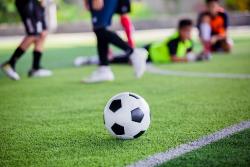
Lower limb injuries: The incidence of lower limb injuries acquired on artificial turf compared with natural turf has been explored in many studies with mixed results.28,29 A systematic review of 53 studies published between 1972 and 2020 concluded that there was a higher reported rate of foot and ankle injuries on artificial turf compared with natural grass. However, studies that were rated as high-quality pointed to a similar incidence of knee injuries and hip injuries on both surfaces.28 Another systematic review and meta-analysis estimated an increased risk for ACL injuries in female but not male soccer players on artificial versus natural turf.29
Concussions: A systematic review and meta analysis including 12 studies on American football, soccer, and rugby, concluded that the rate of concussion or head injury in competitive contact sports was lower on artificial turf than on natural turf.31
What are the broader environmental concerns related to artificial turf?
Chemicals of concern
Some chemicals of concern such as metals, PAHs, and VOCs are released from artificial turf components into the air, groundwater, and surrounding soil.13,16 While levels of these chemicals are on average low, exceptions exist, and accumulation can happen over time that may be detrimental to the environment.13,16 The existence of PFAS in artificial turf components, such as backing and fibres, has raised wide concerns about environmental contamination.14,17,57,58 While we know some PFAS are carcinogenic to humans and animals,91 most HHRAs focused solely on crumb rubber, so further research is needed to understand the range of PFAS that may be present in artificial turf components and their ability to leach into and affect the surrounding environment.
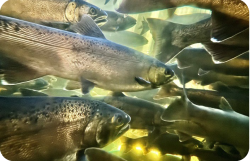
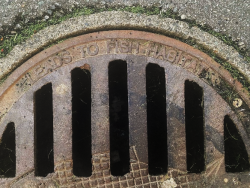
Tire wear particles build up on roads through friction associated with vehicle braking and acceleration, and particles and leachate wash off roads into streams and rivers during heavy rainfall. An emerging chemical of concern, 6PPD-Q, an oxidation product of the tire additive 6PPD, has been detected at high levels in stormwater road runoff. It is toxic to coho salmon and has led to mass die-offs following heavy rainfall.22 The issue of salmonid toxicity is important to highlight, as for many First Nations along the Pacific Coast, salmon are more than food or trade goods: they are central to cultural identity, livelihoods, and spiritual practices, symbolizing continuity, regeneration, and our relationship to the natural world.23,24 In the last few years, there have been calls to remove 6PPD from tires, which is added to prevent tire degradation and improve vehicle stopping distance and safety. Given that 6PPD/6PPD-Q are also found in crumb rubber infill, concerns have been raised about the potential release of these chemicals from artificial turf fields into the environment. However, the relative quantity of 6PPD-Q and other chemicals leached from crumb rubber into the environment likely represents a small fraction of the contribution from tire wear particles from roads.
Microplastics
Artificial turf infill and fibres are also a source of microplastics, and their release through stormwater runoff may have detrimental impacts on water quality and fish health.16 The European Chemicals Agency (ECHA) estimates that approximately 16,000 tons of microplastics are released into the environment in EU countries from artificial turf each year.16 Artificial turf is considered a major land-based contributor of microplastics (plastic particles smaller than 5 mm) that escape into the environment, according to the Norwegian Environment Agency.16 As part of the European Union's REACH (Registration, Evaluation, Authorization, and Restriction of Chemicals) regulation to combat microplastic pollution, the European Commission will prohibit the sale of “granular infill for use on synthetic sports surfaces,” starting in 2031. This ban affects all forms of synthetic polymer infill, including crumb rubber, TPE, EPDM, and acrylic polymer-coated sand.92
Flooding
Additional environmental concerns about artificial turf stem from its low rainfall permeability, which prevents water from soaking into the ground, leading to increased flooding risk.16,93 Instead of being absorbed and filtered by soil, rainwater rapidly runs off the artificial surface, which can increase the volume and speed of stormwater entering drainage systems. During heavy rainfall events, this can overwhelm local stormwater infrastructure, leading to a higher risk of localized flooding, erosion, and water pollution due to the transport of surface contaminants.
Built environment, heat islands, and urban greening

There are concerns that artificial turf fields exacerbate the urban heat island effect, and may also may affect soil composition and health, which in turn could impact the health of surrounding tree canopies.16 Natural turf may be more desirable for urban greening, biodiversity, and climate mitigation and adaptation goals,16,94,95 although use of herbicides and pesticides would likely impact biodiversity benefits.
Waste management, water use, and greenhouse gas emissions
There are additional concerns related to the disposal of aging turf, which is difficult to recycle and is primarily disposed of in landfills.16 Events such as extreme precipitation, extreme heat, or drought driven by climate change could also reduce the useful lifespan of natural fields. However, increasing drought conditions driven by climate change could mean that summer watering of natural fields is less sustainable and more costly. A life cycle analysis of artificial turf estimated that it contributes greater lifetime greenhouse gas emissions than natural turf, due to production of artificial turf materials, maintenance, and end-of-life removal.96
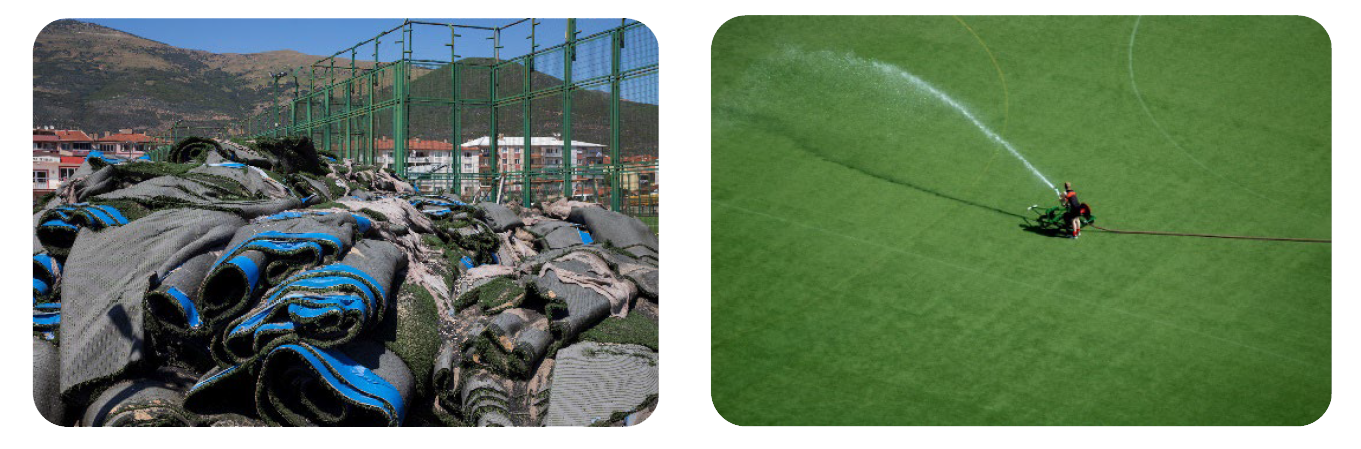
Additional considerations
Other recreational surfaces such as splash pads and running tracks using materials similar to artificial turf are beyond the scope of current research and risk assessments but could be an area for further study. Research on the health impacts of informal non-sports related play on artificial turf with crumb rubber infill is warranted, particularly for young children who exhibit high hand-to-mouth activity. More research is likely needed on the effect of weathering on artificial turf components, in particular on alternative infill, including how sunlight and heat affect release of chemicals.16,97,98 The composition of artificial turf is also likely to evolve as manufacturers respond to regulatory pressures (e.g., restrictions on microplastic infills in the EU, and ECHA PAH limits for artificial turf infill), emerging evidence on health and environmental risks, and market demand for greener alternatives.54,92 Polymeric coatings for several existing infill types may be able to limit metals, PAH, and VOC leaching.62,63,64 However, the health risk profile of these new infill types and other alternatives made from natural materials will need to be assessed. Together these additional considerations highlight the need for ongoing investigation of both existing and new materials.
What can be done to mitigate potential issues with artificial turf?
Reducing health risks
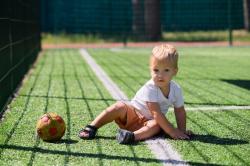
Even though research to date indicates that there are minimal risks to health for athletes, spectators, and other users of artificial turf fields, there are actions users can take that would limit exposure to chemicals of concern, illness, and injury.
- Infant/spectator exposure: Do not let infants, other children, or other spectators ingest infill or other artificial turf components. Locate play areas for very young spectators away from artificial turf fields.25
- Post-play chemical/infection exposure: Encourage users to wash hands and avoid eating food directly from any playing or competition surface, regardless of whether natural or artificial surface.25 Remove infill by brushing off/shaking out shoes and clothing on the field and at home. It is possible that particles and fibres may clog washing machine filters.
- Reduce contact with surface: Sit on chairs or benches and not directly on the surface while sitting off or spectating. Avoid skin contact by wearing long-sleeved clothing, and if possible use mats/towels when warming-up on the surface.25
- Post-abrasion injury infection exposure: Wash injuries well and monitor closely for signs of infection.
- Heat exposure: Avoid play on hot days, irrigate surfaces to cool them down before play, advise users to drink plenty of water and electrolytes, use shade structures, and use misting bottles to cool players down. These are also actions recommended for play on natural turf on hot days.
- Non-sports-related play: Given that most HHRAs have focused on sports activities, for activities that involve young children where more hand-to-mouth action occurs, consider artificial turf with natural source infill or natural turf.
Reducing environmental impacts
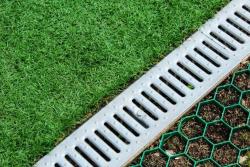
The migration of artificial turf infill and fibres can be reduced through appropriate design and remediation strategies. These are the actions that policy makers may recommend to reduce the environmental impacts of artificial turf fields.
- Material selection: Choose an infill that has low migration characteristics and combine it with a stitched turf fibre system.4 Choose an infill that has lower concentrations of chemicals of concern. This may include alternatives like TPE, or those made from cork or other natural fibres.
- Design and remediation: Some of the environmental impacts of artificial turf could be mitigated by implementing design or remediation features such as stormwater runoff management to prevent flooding and a filtration/catchment system, adding traps and boundaries for infill, and minimizing removal of snow.4,99-101 Provide brush-off areas or stamp-off trays for players to remove infill from shoes and clothing, with educational signage.4,100,101 These should not be placed near drains or culverts that do not have filtration. Adding shade around artificial turf fields may help with increased temperatures.
- Sensitive ecosystems/water sources: To avoid contamination of sensitive ecosystems or water sources from chemicals in crumb rubber infill, for example 6PPD/6PPD-Q, natural turf or alternative infill could be considered.
- Environmental testing: Chemicals in runoff from artificial turf fields such as metals, PAHs, 6PPD/6PPD-Q and PFAS/PFOS, could be tested if artificial turf fields are proximal to sensitive ecological habitats to assess whether any impacts are anticipated and if additional controls are required to reduce runoff.
Summary
Access to safe and inclusive outdoor recreation spaces can improve health, well-being, and community connection. Artificial turf playing fields have become increasingly popular because, compared to natural turf, they are more durable, less affected by weather conditions, can be less expensive to maintain, and provide more hours of play per year, especially in urban settings where field space is limited.
Concerns have been raised about potential health impacts from exposure to chemicals present in the different components of artificial turf. The most studied component is crumb rubber infill, which is known to contain chemicals such as metals, PAHs, VOCs, phthalates and 6PPD/6PPD-Q. TPE and EPDM infill also contain some of these chemicals, although at lower concentrations. Turf fibres also contain some chemicals of concern such as heavy metals and PAHs, and there is evidence of PFAS in turf backing.
Although chemicals of concern have been detected in artificial turf playing field materials, the OEHHA HHRA, and other high quality HHRAs conclude that exposures to crumb rubber under typical play conditions pose negligible cancer and non-cancer risks. One exception was a result from the OEHHA study, which found a slightly higher increase in average cancer risks for spectators 0–2 years of age (an average of 1.1 additional cancer cases in one million during a lifetime). These risks were considered low, but still a possible concern due to potential for hand-to-mouth ingestion of crumb rubber infill by infants. The FRAP exposure study concluded that while exposures from crumb rubber can occur, they are likely limited, with indoor exposures representing the highest risk scenario. For many chemicals, field concentrations did not differ from samples collected off-field (i.e., background concentrations). Other HHRAs that used more cautious assessment assumptions or sampled from sites that were likely affected by surrounding pollution sources, found risks that were non-negligible or unacceptable.
There were only two epidemiological studies that investigated the relationship between use of artificial turf playing fields and cancer, both showing no association. Regarding other health outcomes, abrasions and some lower limb injuries may be more common on artificial turf, while concussions may be less frequent compared with natural grass. More physiological research is needed to better understand the health effects of exposure to higher surface and air temperatures associated with artificial turf.
Further research on the health impacts of crumb rubber to better inform planning and policy decisions could focus on long-term and cumulative exposures and exposure scenarios in indoor settings. Although evidence is limited, studies indicate that TPE and EPDM contain lower levels of metals, PAHs, and VOCs than crumb rubber, suggesting lower health risks. Fibres and backing show similar or lower levels, and thus also pose low risk.
The environmental impacts of artificial turf playing fields are also of concern. They release microplastics, chemical leachates, and chemicals such as 6PPD/6PPD-Q, which is toxic to some aquatic species, including salmon species that are highly important species to First Nations on the Pacific Coast. Artificial turf playing fields may also reduce rainfall permeability, increase flood risk, and exacerbate the urban heat island effect. Compared to artificial turf, natural turf may provide more co-benefits for biodiversity or climate mitigation and adaptation. Further research should investigate the broader environmental effects of crumb rubber, turf components, alternative infills, and artificial turf systems as a whole.
Exposure to chemicals from artificial turf playing fields can be reduced by handwashing, preventing children from ingesting infill or fibres, and removing infill and fibres from clothing and shoes. Some environmental risks can be reduced with runoff filtration and barriers to contain infill.
Acknowledgements
Thank you to Michele Wiens, who performed searches and collected search results. Many thanks for Dr. Ryan Huff, who provided an internal review. Also, thanks to Drs. Juliette O’Keeffe and Sarah Henderson who provided senior guidance for this project and review of this report. Special thanks to our external reviewers Emily Peterson (Senior Environmental Health Scientist, Vancouver Health Authority), Dr. Angela Eykelbosh (Environmental Health Scientist, Vancouver Island Health Authority), and Prof. Ulysses Klee (School of Health & Life Sciences, Conestoga College, Ontario).
Appendix A
Search terms included variants and Boolean operator combinations of the following:
POPULATION/PROBLEM/ISSUE
("synthetic turf" OR "synthetic grass" OR "artificial turf" OR "artificial grass" OR “turf fibres” OR “turf fibers” OR "plastic grass" OR "astro turf" OR astroturf" OR "tyre granulate" OR "tire granulate" OR "fake grass" OR “rubber granule” OR “rubber particles” OR “rubber infill” OR “rubber mulch” OR "outdoor turf" OR "turf field" OR "crumb rubber" OR "rubber crumb" OR "tire crumb" OR "tyre crumb" OR "recycled tyre" OR "recycled tire" OR "recycled rubber" OR “rubber playground surface”)
(rubber OR turf OR synthetic OR artificial)
(granules OR granular OR crumb OR constituent OR component OR mulch)
EXPOSURE OR EVENT
(“sports field” OR “sporting surface” OR “sporting surface” OR “playing field” OR playground OR “residential area” OR streetscape OR park)
(playing OR sports OR field OR surface OR outdoors)
COMPARISON
(toxic OR toxicological OR toxicity OR toxicology OR risk OR concern OR emerging OR pollution OR hazard OR epidemiological OR epidemiology OR biomonitor OR biomonitoring OR biomarker)
(carcinogen OR constituent OR ingredient OR compound OR chemical OR leachate OR chemical OR VOCs OR PFAS OR PAHs OR “metal” OR lead OR phthalate OR “methyl isobutyl ketone” OR benzothiazole OR formaldehyde OR benzene OR runoff OR microplastic OR emissions OR offgassing OR trace elements)
(ingest OR ingestion OR absorption OR absorb OR contact OR inhalation OR install OR installation OR maintain OR maintenance OR exposure)
OUTCOME
(health OR cancer OR carcinogenic OR lymphoma OR tumor OR tumour OR death OR health OR disease OR respiratory OR illness OR wellbeing)
(evaluation OR evaluate OR impact OR review OR determination OR investigation OR quantify OR
mitigation OR mitigate OR undertake OR assessment OR assess OR HIA OR harmful OR hazardous)
(media OR “public attention” OR communication OR management)
Additional searches were conducted in PubMed, Google, and Google Scholar, including with the following search terms:
(artificial turf OR synthetic turf) AND (systematic review or scoping review)
(artificial turf OR synthetic turf) AND cost
(artificial turf OR synthetic turf) AND heat
(artificial turf OR synthetic turf) AND infection*
(artificial turf OR synthetic turf) AND accessibility
(artificial turf OR synthetic turf) AND (thermoplastic elastomers OR TPE OR ethylene propylene diene monomer OR EPDM OR acrylic polymer-coated sand OR polymeric coating)
Appendix B
Table. Human health risk assessments and additional relevant studies conducted on artificial turf constituents
Download the PDF to view Appendix B table.
Abbreviations: As, arsenic; 2-MBT, 2-mercaptobenzothiazole; BPA, bisphenol A; Cd, cadmium; Co, cobalt; Cr, chromium; Cu, copper; ECHA, European Chemicals Agency; EPA, Environmental Protection Agency; ERASSATI, European Risk Assessment Study on Synthetic Turf Rubber Infill; EU European Union; HI, hazard index; HQ, hazard quotient; Mn, manganese; PAHs, polycyclic aromatic hydrocarbons; PCBs, polychlorinated biphenyls, PFAS, per- and polyfluoroalkyl substances; Pb, lead; RIVM, Rijksinstituut voor Volksgezondheid en Milieu; SVOCs, semi-volatile organic compounds; TEQ, toxicity equivalent quantity; US, United States; VOC, volatile organic compounds; Zn, zinc
Notes:
- Cancer risk is deemed negligible (“de minimis”) when the excess lifetime cancer risk is at or below 1 x 10⁻⁶ (1 additional case of cancer per 1,000,000 exposed persons).[ref?] Risk reduction is generally recommended when estimates exceed the maximum acceptable risk of 1 x 10⁻⁴ (1 additional case per 10,000 exposed persons). For non-cancer hazards, the level of concern is assumed to be negligible when the ratio of the estimated exposure dose to the reference dose, or hazard quotient, HQ is < 1 for a single chemical or when these ratios are summed together for multiple chemicals affecting the same target organ or organ system, called a hazard index, HI. An HQ or HI > 1 indicates that adverse effects are possible, however is not a measure of the probability of adverse effects.80,81
- For information on additional HHRAs published prior to 2014, please see Eykelbosh 2022.26
References
- Public Health Agency of Canada. Let’s Get Moving: A common vision for increasing physical activity and reducing sedentary living in Canada. Ottawa, ON: Public Health Agency of Canada; 2018. Available from: https://www.canada.ca/en/public-health/services/publications/healthy-living/lets-get-moving.html.
- Public Health Agency of Canada. ParticipACTION report card on physical activity for children and youth. Ottawa, ON: Public Health Agency of Canada; 2022. Available from: https://www.participaction.com/wp-content/uploads/2022/10/2022-Children-and-Youth-Report-Card.pdf.
- Health Canada and the Public Health Agency of Canada. Evaluation of the Public Health Agency of Canada’s funding for ParticipACTION’s Let’s Get Moving initiative 2018-19 to 2022-23. Ottawa, ON: Public Health Agency of Canada; 2023. Available from: https://www.canada.ca/en/public-health/corporate/transparency/corporate-management-reporting/evaluation/funding-participaction-lets-get-moving-initiative-2018-2019-2022-2023.html.
- City of Vancouver. Sport field strategy: Environmental and human health report. Vancouver, BC: City of Vancouver; 2024. Available from: https://parkboardmeetings.vancouver.ca/2024/20240610/REPORT-SportsFieldStrategy-APPENDIXB-2024-06-10.pdf.
- Benson K, Irvin-Barnwell E, Ragin-Wilson A, Breysse P. Federal Research Action Plan on recycled tire crumb used on playing fields: Tire crumb rubber characterization and exposure characterization study overview. J Environ Health. 2019 Sep;82(2):28-30. Available from: https://pmc.ncbi.nlm.nih.gov/articles/PMC8176936/.
- Ryan-Ndegwa S, Zamani R, Martins T. Exploring the human health impact of artificial turf worldwide: A systematic review. Environ Health Insights. 2024;18:1–22. Available from: https://doi.org/10.1177/11786302241306291.
- US Environmental Protection Agency. Synthetic turf field recycled tire crumb rubber research under the Federal Research Action Plan. Final report part 1– tire crumb rubber characterization volume 1 and 2. Atlanta, GA: US EPA; 2019 Jul. Available from: https://www.epa.gov/chemical-research/july-2019-report-tire-crumb-rubber-characterization-0.
- Zuccaro P, Thompson DC, de Boer J, Watterson A, Wang Q, Tang S, et al. Artificial turf and crumb rubber infill: An international policy review concerning the current state of regulations. Environ Chall. 2022;9. Available from: https://doi.org/10.1016/j.envc.2022.100620.
- Statistics Canada. Table 34-10-0065-01 Inventory of publicly owned culture, recreation and sport facilities, Infrastructure Canada, inactive. Ottawa, ON: Government of Canada; 2022 Sep. Available from: https://doi.org/10.25318/3410006501-eng.
- Statistics Canada. Table 34-10-0294-01 Inventory of culture, recreation and sport amenities. Ottawa, ON: Government of Canada; 2022 Sep. Available from: https://doi.org/10.25318/3410029401-eng.
- City of Vancouver. VanPlay: Inventory and analysis. Chapter 3 Recreation. Vancouver, BC: City of Vancouver; 2024. Available from: https://vancouver.ca/files/cov/vanplay-report-1-chapter-3-recreation.pdf.
- Toronto Public Health. Health impact assessment of the use of artificial turf in Toronto. Toronto, ON: City of Toronto; 2015 Apr. Available from: https://www.toronto.ca/wp-content/uploads/2017/11/9180-HIA_on_Artificial_Turf_Summary_Report_Final_2015-04-01.pdf.
- Hashamfirooz M, Dehghani MH, Khanizadeh M, Aghaei M, Bashardoost P, Hassanvand MS, et al. A systematic review of the environmental and health effects of waste tires recycling. Heliyon. 2025;11(2):e41909. Available from: https://doi.org/10.1016/j.heliyon.2025.e41909.
- Murphy M, Warner GR. Health impacts of artificial turf: Toxicity studies, challenges, and future directions. Environ Pollut. 2022;310:119841. Available from: https://doi.org/10.1016/j.envpol.2022.119841.
- Karatela S, Popovic I, Sobhani Z, Kumar SB, Palanisami T, Lin L-Z, et al. Rubber crumb infill in synthetic turf and health outcomes: A review of the literature on polycyclic aromatic hydrocarbons and metalloids. Epidemiol. 2025;6(1):4. Available from: https://doi.org/10.3390/epidemiologia6010004.
- Bø SM, Bohne RA, Lohne J. Environmental impacts of artificial turf: a scoping review. Int J Environ Sci Technol. 2024;21(16):10205-16. Available from: https://doi.org/10.1007/s13762-024-05689-3.
- Lauria MZ, Naim A, Plassmann M, Fäldt J, Sühring R, Benskin JP. Widespread occurrence of non-extractable fluorine in artificial turfs from Stockholm, Sweden. Environ Sci Technol Lett. 2022;9(8):666-72. Available from: https://doi.org/10.1021/acs.estlett.2c00260.
- McMinn M, Hu X, Poisson K, Berger P, Pimentel P, Zhang X, et al. Emerging investigator series: In-depth chemical profiling of tire and artificial turf crumb rubber: aging, transformation products, and transport pathways. Environ Sci Process Impacts. 2024 Aug 23;26. Available from: https://doi.org/10.1039/D4EM00326H.
- Duque-Villaverde A, Armada D, Dagnac T, Llompart M. Recycled tire rubber materials in the spotlight. Determination of hazardous and lethal substances. Sci Total Environ. 2024;929:172674. Available from: https://doi.org/10.1016/j.scitotenv.2024.172674.
- Interstate Technology & Regulatory Council (ITRC). 6PPD & 6PPD-quinone. Washington, DC: ITRC; 2024 September. Available from: https://6ppd.itrcweb.org/wp-content/uploads/2025/02/Full-6PPD-Guidance-02.26.2024.pdf.
- Zhao F, Yao J, Liu X, Deng M, Chen X, Shi C, et al. Occurrence and oxidation kinetics of antioxidant p-phenylenediamines and their quinones in recycled rubber particles from artificial turf. Environ Sci Technol Lett. 2024;11(4):335-41. Available from: https://doi.org/10.1021/acs.estlett.3c00948.
- Tian Z, Zhao H, Peter KT, Gonzalez M, Wetzel J, Wu C, et al. A ubiquitous tire rubber-derived chemical induces acute mortality in coho salmon. Science. 2021 Jan 8;371(6525):185-9. Available from: https://doi.org/10.1126/science.abd6951.
- British Columbia Assembly of First Nations, First Nations Summit, Union of British Columbia Indian Chiefs. Summary report: Wild Salmon Summit: BC Assembly of First Nations; 2018. Available from: https://www.bcafn.ca/sites/default/files/docs/reports-presentations/Wild-Salmon-Summit-Summary-Report-final.pdf.
- Earth Economics. The sociocultural significance of Pacific salmon to tribes and First Nations. Tacoma, WA: Earth Economics; 2021. Available from: https://www.fnfisheriescouncil.ca/wp-content/uploads/2021/11/1.-The-Sociocultural-Significance-of-Pacific-Salmon-for-Tribes-and-First-Nations.pdf.
- Eykelbosh A. Artificial turf: The contributions and limits of toxicology in decision-making. Environ Health Rev. 2019;62(4):106-11. Available from: https://doi.org/10.5864/d2019-026.
- Eykelbosh A. Human health risk assessments addressing artificial turf and crumb rubber (evidence brief). Vancouver, BC: National Collaborating Center for Environmental Health; 2022 Mar 1. Available from: https://ncceh.ca/resources/evidence-briefs/human-health-risk-assessments-addressing-artificial-turf-and-crumb-0.
- Singh G, Peterson B, Jay O, Stevens CJ. The effect of synthetic grass sports surfaces on the thermal environment: A systematic review. Int J Biometeorol. 2024;68(7):1235-52. Available from: https://doi.org/10.1007/s00484-024-02679-5.
- Gould HP, Lostetter SJ, Samuelson ER, Guyton GP. Lower extremity injury rates on artificial turf versus natural grass playing surfaces: a systematic review. Am J Sports Med. 2023;51(6):1615-21. Available from: https://doi.org/10.1177/03635465211069562.
- Xiao M, Lemos JL, Hwang CE, Sherman SL, Safran MR, Abrams GD. Increased risk of ACL injury for female but not male soccer players on artificial turf versus natural grass: a systematic review and meta-Analysis. Orthop J Sports Med. 2022;10(8). Available from: https://doi.org/10.1177/23259671221114353.
- Twomey DM, Petrass LA, Fleming P, Lenehan K. Abrasion injuries on artificial turf: A systematic review. J Sci Med Sport. 2019;22(5):550-6. Available from: https://doi.org/10.1016/j.jsams.2018.11.005.
- O' Leary F, Acampora N, Hand F, O' Donovan J. Association of artificial turf and concussion in competitive contact sports: a systematic review and meta-analysis. BMJ Open Sport Exerc Med. 2020;6(1):e000695. Available from: https://doi.org/10.1136/bmjsem-2019-000695.
- Begier EM, Frenette K, Barrett NL, Mshar P, Petit S, Boxrud DJ, et al. A high-morbidity outbreak of methicillin-resistant Staphylococcus aureus among players on a college football team, facilitated by cosmetic body shaving and turf burns. Clin Infect Dis. 2004;39(10):1446-53. Available from: https://doi.org/10.1086/425313.
- Jastifer JR, McNitt AS, Mack CD, Kent RW, McCullough KA, Coughlin MJ, et al. Synthetic turf: History, design, maintenance, and athlete safety. Sports Health. 2019;11(1):84-90. Available from: https://doi.org/10.1177%2F1941738118793378.
- State of California Office of Environmental Health Hazard Assessment (OEHHA). Release of the draft report on synthetic turf and scientific advisory panel meeting. Sacramento, CA: State of California; 2025 Mar 13. Available from: https://oehha.ca.gov/risk-assessment/report/release-draft-report-synthetic-turf-and-scientific-advisory-panel-meeting.
- US Environmental Protection Agency. Synthetic turf field recycled tire crumb rubber research under the Federal Research Action Plan. Final report part 2– exposure characterization volume 1 and 2. Atlanta, GA: US EPA; 2024 Apr. Available from: https://www.epa.gov/chemical-research/tire-crumb-exposure-characterization-report-volumes-1-and-2.
- US Environmental Protection Agency. Conducting a human health risk assessment. Washington, DC: US Environmental Protection Agency; 2025 Jan 31. Available from: https://www.epa.gov/risk/conducting-human-health-risk-assessment.
- Araujo-Morera J, Verdejo R, López-Manchado MA, Hernández Santana M. Sustainable mobility: The route of tires through the circular economy model. Waste Manag. 2021;126:309-22. Available from: https://doi.org/10.1016/j.wasman.2021.03.025.
- Tire and Rubber Association of Canada. End-of-life tire management. Available from: https://tracanada.ca/end-of-life-tire-management/.
- Town of Arlington. Artificial Turf Study Committee Final Committee Report April 12. Arlington, MA: Town of Arlington; 2024. Available from: https://www.arlingtonma.gov/home/showpublisheddocument/69732/638494836316530000.
- Statistics Canada. Average expected useful life of new publicly owned culture, recreation and sport facilities, Infrastructure Canada. Ottawa, ON: Government of Canada; 2020 Sep. Available from: https://doi.org/10.25318/3410018201-eng.
- Cumberbatch IS, Richardson L, Grant-Bier E, Kayali M, Mbithi M, Riviere RF, et al. Artificial turf versus natural grass: A case study of environmental effects, health risks, safety, and cost. Sustainability. 2025;17(14):6292. Available from: https://doi.org/10.3390/su17146292.
- National Parks and Recreation Association (US). Synthetic turf: The world's fastest-growing play surface. Ashburn, VA: National Parks and Recreation Association; 2020. Available from: https://www.nrpa.org/parks-recreation-magazine/2020/may/synthetic-turf-the-worlds-fastest-growing-play-surface/.
- Environment and Climate Change Canada. Canada’s plastics science agenda. Ottawa, ON: Government of Canada; 2019. Available from: https://www.canada.ca/en/environment-climate-change/services/science-technology/canada-science-plastic-agenda.html.
- Thomas EC, Lavkulich LM. Anthropogenic effects on metal content in urban doil from different parent materials and geographical locations: A Vancouver, British Columbia, Canada, Study. Soil Sci. 2015. Available from: https://doi.org/10.1097/SS.0000000000000133.
- Wiseman CL, Zereini F, Püttmann W. Metal and metalloid accumulation in cultivated urban soils: A medium-term study of trends in Toronto, Canada. Sci Total Environ. 2015 Dec 15;538:564-72. Available from: https://doi.org/10.1016/j.scitotenv.2015.08.085.
- Peterson MK, Lemay JC, Pacheco Shubin S, Prueitt RL. Comprehensive multipathway risk assessment of chemicals associated with recycled ("crumb") rubber in synthetic turf fields. Environ Res. 2018;160:256-68. Available from: https://doi.org/10.1016/j.envres.2017.09.019.
- Government of Canada. Canadian Environmental Protection Act (CEPA). Ottawa, ON: Government of Canada; 1999. Available from: https://laws-lois.justice.gc.ca/eng/acts/c-15.31/.
- Canadian Council of Ministers of the Environment. Canadian soil quality guidelines for the protection of environmental and human health: lead. Canadian Environmental Quality Guidelines, 1999. Winnipeg, MB: CCME; 2025. Available from: https://www.ccme.ca/en/res/csoqgpbfsen1.4.pdf.
- Canadian Council of Ministers of the Environment. Canadian soil quality guidelines for the protection of environmental and human health: cadmium. Canadian Environmental Quality Guidelines, 1999. Winnipeg, MB: CCME; 1999. Available from: https://ccme.ca/en/res/cadmium-canadian-soil-quality-guidelines-for-the-protection-of-environmental-and-human-health-en.pdf.
- Canadian Council of Ministers of the Environment. Canadian soil quality guidelines for the protection of environmental and human health: mercury. Canadian Environmental Quality Guidelines, 1999. Winnipeg, MB: CCME; 1999. Available from: https://ccme.ca/en/res/mercury-inorganic-canadian-soil-quality-guidelines-for-the-protection-of-environmental-and-human-health-en.pdf.
- Massey R, Pollard L, Jacobs M, Onasch J, Harari H. Artificial turf infill: A comparative assessment of chemical contents. New Solut. 2020;30(1):10-26. Available from: https://doi.org/10.1177/1048291120906206.
- Ruffino B, Fiore S, Zanetti MC. Environmental–sanitary risk analysis procedure applied to artificial turf sports fields. Environ Sci Poll Res. 2013;20(7):4980-92. Available from: https://doi.org/10.1007/s11356-012-1390-2.
- Conneticut Department of Energy and Environmental Protection. Risk assessment of artificial turf fields. Hartford, CT: State of Conneticut; 2010. Available from: https://portal.ct.gov/deep/about/miscellaneous/risk-assessment-of-artificial-turf-fields.
- European Commision. Commission Regulation (EU) 2021/1199 of 20 July 2021 amending Annex XVII to Regulation (EC) No 1907/2006 of the European Parliament and of the Council as regards polycyclic-aromatic hydrocarbons (PAHs) in granules or mulches used as infill material in synthetic turf pitches or in loose form on playgrounds or in sport applications. Brussels, Belgium: European Commission; 2021. Available from: https://eur-lex.europa.eu/eli/reg/2021/1199/oj.
- Schneider K, de Hoogd M, Madsen MP, Haxaire P, Bierwisch A, Kaiser E. ERASSTRI - European Risk Assessment Study on Synthetic Turf Rubber Infill – Part 1: Analysis of infill samples. Sci Total Environ. 2020;718:137174-. Available from: https://doi.org/10.1016/j.scitotenv.2020.137174.
- Schneider K, de Hoogd M, Haxaire P, Philipps A, Bierwisch A, Kaiser E. ERASSTRI - European Risk Assessment Study on Synthetic Turf Rubber Infill – Part 2: Migration and monitoring studies. Sci Total Environ. 2020;718:137173-. Available from: https://doi.org/10.1016/j.scitotenv.2020.137173.
- Lowell Center for Sustainable Production. Per- and poly-fluoroalkyl substances (PFAS) in artificial turf. Lowell, MA: University of Massachussetts Lowell. Available from: https://www.uml.edu/research/lowell-center/athletic-playing-fields/pfas-in-artificial-turf.aspx.
- Zuccaro P, Licato J, Davidson EA, Thompson DC, Vasiliou V. Assessing extraction-analysis methodology to detect fluorotelomer alcohols (FTOH), a class of perfluoroalkyl and polyfluoroalkyl substances (PFAS), in artificial turf fibers and crumb rubber infill. Case Stud Chem Environ Eng. 2023;7. Available from: https://doi.org/10.1016/j.cscee.2022.100280.
- Lowell Center for Sustainable Production. Infill made from thermoplastic elastomer. Lowell, MA: University of Massachussetts Lowell. Available from: https://www.uml.edu/docs/TPE-2017_tcm18-385728.pdf.
- Sakai S, Tahara M, Kubota R, Kawakami T, Inoue K, Ikarashi Y. Characterization of synthetic turf rubber granule infill in Japan: Volatile organic compounds. Sci Total Environ. 2022 Sep 10;838(3). Available from: https://doi.org/10.1016/j.scitotenv.2022.156400.
- Canepari SA-O, Castellano P, Astolfi ML, Materazzi S, Ferrante R, Fiorini D, et al. Release of particles, organic compounds, and metals from crumb rubber used in synthetic turf under chemical and physical stress. Environ Sci Pollut Res Int. 2018;25:1448–59 Available from: https://doi.org/10.1007/s11356-017-0377-4.
- Wachtendorf V, Kalbe U, Krüger O, Bandow N. Influence of weathering on the leaching behaviour of zinc and PAH from synthetic sports surfaces. Polymer Testing. 2017;63:621-31. Available from: https://doi.org/10.1016/j.polymertesting.2017.09.021.
- Gomes J, Mota H, Bordado J, Cadete M, Sarmento G, Ribeiro A, et al. Toxicological assessment of coated versus uncoated rubber granulates obtained from used tires for use in sport facilities. J Air Waste Manag Assoc. 2010;60(6):741-6. Available from: https://doi.org/10.3155/1047-3289.60.6.741.
- Adeel M, Fishel Y, Blom J, Dardenne F, Michielsen B, Bergmans J, et al. Mitigation of zinc leaching from waste ground tire rubbers through polymer encapsulation. Waste Manag. 2025;191:107-16. Available from: https://doi.org/10.1016/j.wasman.2024.11.008.
- Gomes FO, Rocha MR, Alves A, Ratola N. A review of potentially harmful chemicals in crumb rubber used in synthetic football pitches. J Hazard Mater. 2021 May 5;409:124998. Available from: https://doi.org/10.1016/j.jhazmat.2020.124998.
- US Centers for Disease Control and Prevention (CDC). CDC Health Advisory: potential exposure to lead in arti ficial turf : public health issues, actions, and recommendations. Atlanta, GA: US CDC; 2008. Available from: https://stacks.cdc.gov/view/cdc/25186.
- Xie L, Zhu K, Jiang W, Lu H, Yang H, Deng Y, et al. Toxic effects and primary source of the aged micro-sized artificial turf fragments and rubber particles: Comparative studies on laboratory photoaging and actual field sampling. Environ Int. 2022 Dec;170:107663. Available from: https://doi.org/10.1016/j.envint.2022.107663.
- Washington State Department of Health. Investigation of reported cancer among soccer players in Washington State. Tumwater, WA: Washington State Department of Health; 2017. Available from: https://doh.wa.gov/community-and-environment/schools/synthetic-turf.
- Bleyer A, Keegan T. Incidence of malignant lymphoma in adolescents and young adults in the 58 counties of California with varying synthetic turf field density. Cancer Epidemiol. 2018;53:129-36. Available from: https://doi.org/10.1016/j.canep.2018.01.010.
- Schneider K, Bierwisch A, Kaiser E. ERASSTRI - European Risk Assessment study on Synthetic Turf Rubber Infill – Part 3: Exposure and risk characterisation. Sci Total Environ. 2020;718:137721-. Available from: https://doi.org/10.1016/j.scitotenv.2020.137721.
- Rijksinstituut voor Volksgezondheid en Milieu (RIVM). Evaluation of health risks of playing sports on synthetic turf pitches with rubber granulate: scientific background document. Bilthoven, The Netherlands: Rijksinstituut voor Volksgezondheid en Milieu (RIVM); 2017. Available from: https://www.rivm.nl/bibliotheek/rapporten/2017-0017.pdf.
- Pronk MEJ, Woutersen M, Herremans JMM. Synthetic turf pitches with rubber granulate infill: are there health risks for people playing sports on such pitches? J Expo Sci Environ Epidemiol. 2018 Dec;30:567–84. Available from: https://doi.org/10.1038/s41370-018-0106-1.
- Graça CAL, Rocha F, Gomes FO, Rocha MR, Homem V, Alves A, et al. Presence of metals and metalloids in crumb rubber used as infill of worldwide synthetic turf pitches: Exposure and risk assessment. Chemosphere. 2022;299. Available from: https://doi.org/10.1016/j.chemosphere.2022.134379.
- Graça CAL, Rocha F, Gomes FO, Rocha MR, Homem V, Alves A, et al. Corrigendum to "Presence of metals and metalloids in crumb rubber used as infill of worldwide synthetic turf pitches: Exposure and risk assessment" [Chemosphere 299 (July 2022) 134379]. Chemosphere. 2022;305:135446. Available from: https://doi.org/10.1016/j.chemosphere.2022.135446.
- Pavilonis BT, Weisel CP, Buckley B, Lioy PJ. Bioaccessibility and risk of exposure to metals and SVOCs in artificial turf field fill materials and fibers. Risk Anal. 2014;34(1):44-55. Available from: https://doi.org/10.1111/risa.12081.
- Zhang X, Wang Y, Liu J, Jiang Y, Tian Y, Zhang Z. Distribution and health risk assessment of some trace elements in runoff from different types of athletic fields. J Chem. 2021;2021:5587057. Available from: https://doi.org/10.1155/2021/5587057.
- Zhang X, Gu Y, Wang Y, Liu J, Jiang Y, Tian Y, et al. Occurrence and risk assessment of PAHs from athletic fields under typical rainfall events. Water Sci Technol. 2023;87(9):2159-71. Available from: https://doi.org/10.2166/wst.2023.092.
- Marsili L, Coppola D, Bianchi N, Maltese S, Bianchi M, Fossi MC. Release of polycyclic aromatic hydrocarbons and heavy metals from rubber crumb in synthetic turf fields: Preliminary hazard assessment for athletes. J Environ Anal Toxicol. 2015;5(2). Available from: https://doi.org/10.4172/2161-0525.1000265.
- European Chemical Agency. Annex XV Report: An Evaluation of the possible health risks of recycled rubber granules used as infill in synthetic turf sports fields. Helsinki, Finland: ECHA; 2017 Feb 28. Available from: https://echa.europa.eu/documents/10162/17220/annex-xv_report_rubber_granules_en.pdf/dbcb4ee6-1c65-af35-7a18-f6ac1ac29fe4.
- US Environmental Protection Agency. Science policy council handbook: Risk characterization. Washington, DC: US Environmental Protection Agency,; 2000. Available from: https://www.epa.gov/sites/default/files/2015-10/documents/osp_risk_characterization_handbook_2000.pdf.
- State of California Office of Environmental Health Hazard Assessment (OEHHA). Cancer risk and noncancer hazard index. Sacremento, CA: State of California; 2020 Nov. Available from: https://oehha.ca.gov/sites/default/files/media/downloads/risk-assessment/fact-sheet-california-human-health-screening-levels-chhsls/riskfactsheet.pdf.
- Mohammed AMF, Saleh IA, Abdel-Latif NM. Hazard assessment study on organic compounds and heavy metals from using artificial turf. Heliyon. 2023;9(4):e14928. Available from: https://doi.org/10.1016/j.heliyon.2023.e14928.
- Petrass LA, Twomey DM, Harvey JT, Otago L, LeRossignol P. Comparison of surface temperatures of different synthetic turf systems and natural grass: Have advances in synthetic turf technology made a difference. Proc Inst Mech Eng Pt P J. 2015;229(1):10-6. Available from: https://doi.org/10.1177/1754337114553692.
- Wardenaar FC, Vento KA, Ortega-Santos CP, Connolly J, Vanos JK. The impact of different playing surfaces on physiological parameters in collegiate DI American football athletes. Int J Sport Sci Coach. 2023;18(3):781-92. Available from: https://doi.org/10.1177/17479541221089748.
- Pfautsch S, Wujeska-Klause A, Walters J. Outdoor playgrounds and climate change: Importance of surface materials and shade to extend play time and prevent burn injuries. Build Environ. 2022;223:109500. Available from: https://doi.org/10.1016/j.buildenv.2022.109500.
- Cheung PK, Livesley SJ. The microclimate, surface energy flux and human skin burn risks of artificial turf as compared to natural turf. Build Environ. 2025 Apr 1;273:112679. Available from: https://doi.org/10.1016/j.buildenv.2025.112679.
- Keller M, Turco RF, Gray MB, Sigler V. The fate of methicillin-resistant Staphylococcus aureus in a synthetic turf system. Sports Health. 2020;12(3):263-70. Available from: https://doi.org/10.1177/1941738120909353.
- Health Infobase. Canadian Antimicrobial Resistance Surveillance System (CARSS): Antimicrobial resistance. Ottawa, ON: Government of Canada; 2024. Available from: https://health-infobase.canada.ca/carss/amr/results.html?ind=14.
- Public Health Agency of Canada. Fact sheet: Community-acquired methicillin-resistant Staphylococcus aureus (CA-MRSA). Ottawa, ON: Public Health Agency of Canada. Available from: https://www.canada.ca/en/public-health/services/infectious-diseases/fact-sheet-community-acquired-methicillin-resistant-staphylococcus-aureus-mrsa.html.
- Valeriani F, Margarucci LM, Gianfranceschi G, Ciccarelli A, Tajani F, Mucci N, et al. Artificial-turf surfaces for sport and recreational activities: microbiota analysis and 16S sequencing signature of synthetic vs natural soccer fields. Heliyon. 2019 Aug;5(8):e02334. Available from: https://doi.org/10.1016/j.heliyon.2019.e02334.
- Fenton SE, Ducatman AA-O, Boobis A, DeWitt JC, Lau C, Ng CA-O, et al. Per- and polyfluoroalkyl substance toxicity and human health review: Current state of knowledge and strategies for informing future research. Environ Toxicol Chem. 2021 Mar;40(3). Available from: https://doi.org/10.1002/etc.4890.
- European Commision. Commision Regulation C_2023_6419_F1 amending Annex XVII to Regulation (EC) No 1907/2006 of the European Parliament and of the council concerning the registration, evaluation, authorisation and restriction of chemicals (REACH) as regards synthetic polymer microparticles. Brussels, Belgium: European Commission; 2023. Available from: https://single-market-economy.ec.europa.eu/system/files/2023-09/C_2023_6419_F1_COMMISSION_REGULATION_UNDER_ECT_EN_V5_P1_2620969.PDF.
- Klasios N. Understanding and managing artificial turf impacts on rainwater, urban heat, and biodiversity for the City of Vancouver. Vancouver, BC: University of British Columbia, BC; 2025. Available from: https://sustain.ubc.ca/sites/default/files/2025-042_Understanding%20and%20Managing%20Artificial%20Turf_Klasios.pdf.
- Sánchez-Sotomayor D, Martín-Higuera A, Gil-Delgado JA, Gálvez Á, Bernat-Ponce E. Artificial grass in parks as a potential new threat for urban bird communities. Bird Conserv Int. 2023;33:1-8. Available from: https://doi.org/10.1017/S0959270922000119.
- Braun RC, Mandal P, Nwachukwu E, Stanton A. The role of turfgrasses in environmental protection and their benefits to humans: Thirty years later. Crop Sci. 2024;64(6):2909-44. Available from: https://doi.org/10.1002/csc2.21383.
- Magnusson S, Mácsik J. Analysis of energy use and emissions of greenhouse gases, metals and organic substances from construction materials used for artificial turf. Resour Cons Recy. 2017;122:362-72. Available from: https://doi.org/10.1016/j.resconrec.2017.03.007.
- Sun K, Song Y, He F, Jing M, Tang J, Liu R. A review of human and animals exposure to polycyclic aromatic hydrocarbons: Health risk and adverse effects, photo-induced toxicity and regulating effect of microplastics. Sci Total Environ. 2021;773:145403. Available from: https://doi.org/10.1016/j.scitotenv.2021.145403.
- Lu F, Su Y, Ji Y, Ji R. Release of zinc and polycyclic aromatic hydrocarbons from tire crumb rubber and toxicity of leachate to Daphnia magna: Effects of tire source and photoaging. Bull Environ Contam Toxicol. 2021;107(4):651-6. Available from: https://doi.org/10.1007/s00128-021-03123-9.
- Fidra. Microplastic loss from artificial (3G) pitches in context of the ECHA proposed restriction of microplastics intentionally added to products. North Berwick, UK: Fidra; 2022. Available from: https://www.fidra.org.uk/wp-content/uploads/Fidra-Microplastic-loss-from-artificial-3G-pitches_v4-.pdf
- European Committee on Standardisation (CEN). Surfaces for sports areas - Synthetic turf sports facilities - Guidance on how to minimize infill dispersion into the environment. Final draft of technical report from the Technical Committee CEN / TC 217. Brussels, Belgium: CEN; 2020. Available from: https://www.estc.info/wp-content/uploads/2020/03/FprCENTR-17519-Public.pdf.
- OSCAR Commission. Background document on reducing microplastic contamination from performance infill in artificial grass pitches. London, UK: OSPAR Secretariat; 2024. Available from: https://www.ospar.org/documents?v=57742.