


Residential wood smoke: Perceptions, health risks, and mitigating exposures

Abstract
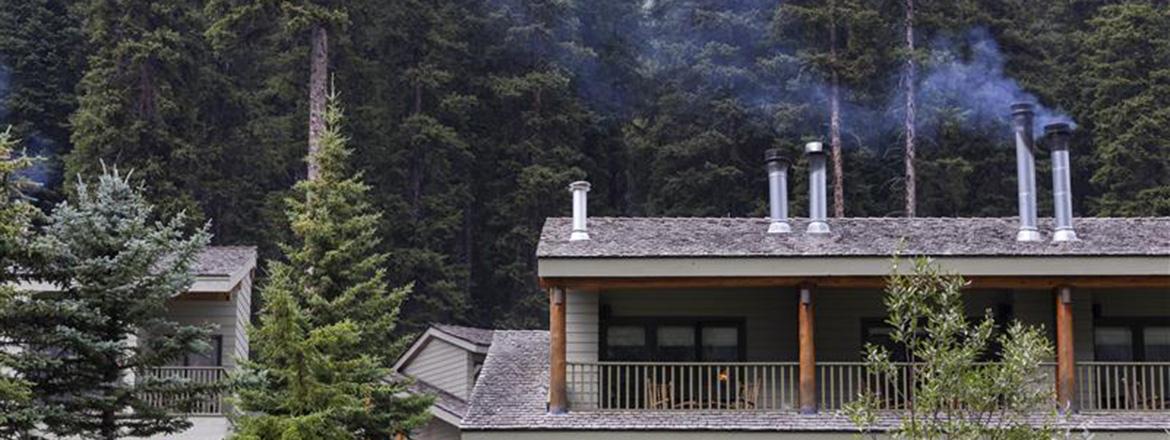
Almost one in five (19%) Canadian households rely on wood stoves or fireplaces as primary or supplemental sources of heating and cooking, and the emissions from these devices are an often overlooked source of air pollution. Residential wood burning produces the same amount of fine particulate matter (PM2.5) as the transportation and industrial sectors combined across Canada. Exposure to wood smoke can have serious acute and chronic health effects, ranging from symptoms such as headaches, nausea, dizziness, and irritation of the eyes, nose, throat, and lungs, to an increased risk of developing chronic conditions like heart and lung diseases. Although efforts to reduce exposure by replacing old, high-emission wood stoves through education and incentives have been implemented in many jurisdictions across Canada, many of these heavily polluting devices are still regularly in use. In British Columbia alone, only 67% of fireplace inserts and 65% of wood-burning stoves are certified as low-emission. This paper examines the evidence on the disconnect between what people believe about residential wood smoke, and what is actually measured, along with the resulting health risks. We also examined current interventions, good burn practices, and jurisdictional regulations aimed at reducing indoor and outdoor wood smoke exposures. Perceptions of wood smoke were found to be inconsistent with estimated health burdens, and implementation of interventions to reduce wood smoke emissions varied greatly across jurisdictions. However, wood burning still represents the only source of energy for many Canadian households, and adaptive strategies are needed to mitigate health risks.
Citation
Related Resources
Unmasking the evidence for reducing harms from wildfire smoke: The role of air cleaners and masks
 view
view
Use of low-cost air quality sensors in childcare and long-term care facilities in BC and impacts of wildfire smoke on indoor air quality
 view
view

Public health practices to support psychosocial and mental health response and recovery post-flooding
 view
view