

Health impact assessment—insights from the experience of Québec

Abstract
Health Impact Assessment (HIA) is an approach used to evaluate policies, programs, and projects from the perspective of their potential effects on the health of individuals, communities, and vulnerable population groups. HIA is generally applied to proposals in fields that do not specifically target health such as urban and transportation planning, natural resources, and large infrastructure. The use of HIA has been growing in Canada but several studies indicate that there are gaps in legislation, policy, and regulation that inhibit its consistent application. The objective of this paper is to review the experience in the Province of Québec, where HIA has been embedded in legislation since 2002 and explore the way that it has influenced the advancement of HIA in that province and identify lessons that could be applied to other Canadian jurisdictions. Particular attention is paid to the institutionalization of HIA in public health agencies. The insights are considered for other provinces, territories, and municipalities as well as in the context of the Federal Impact Assessment Act (2019).
(If you are having difficulty opening this article please access it directly from the Professional Development tab at http://ciphi.ca)
Citation
Related Resources
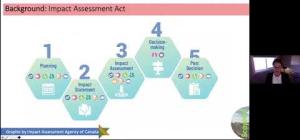
Health in impact assessments for natural resource and large infrastructure developments – opportunities for public health
 view
viewWidening the Health Lens in the Environmental Impact Assessment Process: Lessons Learned in the George Massey Tunnel Replacement Project
 view
view


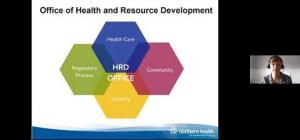
Visual tools and processes for engaging intersectoral partners on the health impacts of resource development
 view
view