


Climate change and opportunistic pathogens (OPs) in the built environment

Abstract
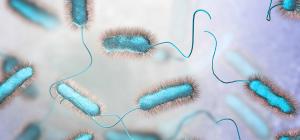
Climate change is predicted to have diverse impacts on the natural and built environment, including the aquatic habitats that exist in towns and cities. Within built infrastructure, the water distribution lines, premise plumbing, pools, spas, and green infrastructure can harbour a range of opportunistic pathogens (OPs), such as Legionella, Mycobacteria, and Pseudomonas spp., that can cause serious infections and disease outbreaks among exposed, susceptible persons. Water in ponds, ditches, or even roadside puddles can also be reservoirs where these organisms can grow and subsequently be dispersed. Climate change may affect the survival and propagation of OPs in the built environment and affect routes of transmission and patterns of exposure in numerous ways. The key drivers of change for growth and transmission of OPs in the built environment thus need further examination. This paper reports on the findings of a rapid review of the literature on how climate change could influence the spread of OPs in urban centres.
View full text or Download PDF
(If you are having difficulty opening this article please access it directly from the Professional Development tab at http://ciphi.ca)
Citation
Related Resources

Fires, floods & hurricanes: Protecting Canadians by identifying and managing threats to safe drinking water
 view
view