

Private wells in a changing climate: Keeping drinking water safe

Key Messages |
|
Introduction
About 9% of Canadian households1 and 13% of homes in First Nations communities2 rely on private wells for provision of domestic water needs. Reliance is highest in Atlantic Canada, where nearly 40% of households in Nova Scotia, New Brunswick, and Prince Edward Island use private wells. In most Canadian jurisdictions, private wells supplying a single home are not regulated, and well owners are responsible for ensuring their drinking water remains safe and the groundwater source is protected.
Approximately half of private well users, however, consume well water without treatment, and many do not test their water at recommended frequencies3,4 or employ broader well stewardship activities. This increases the risk of exposure to waterborne pathogens or chemical contaminants under both routine and emergency conditions, and the associated health impacts these exposures could cause. Private wells therefore represent an important environmental public health concern.
Public health authorities and government agencies play an essential role in providing advice and support to private well owners on a range of issues such as routine inspection and testing, dealing with nuisance bacteria, responding to emergency events such as floods5 or wildfires,6 or undertaking additional testing or emergency disinfection. As climate-related events such as wildfires and flooding intensify, there is a need to strengthen private well owner awareness of risks to well water quality and the possible health impacts, while promoting adoption of good well stewardship practices.
This document provides an overview of existing and emerging challenges in maintaining safe water quality in private wells, and reviews current guidance on reducing hazards and responding to more frequent and intense flooding and wildfire events, including testing recommendations, shock chlorination protocols, and consideration of barriers and motivators to adoption of well stewardship practices.
Technical information related to new well construction, installation, treatment technologies, decommissioning, or well yield and quantity are covered extensively elsewhere and are beyond the scope of this document, as are considerations for managing drought.
Methodology
We conducted a scan of Canadian federal, provincial, and territorial government websites and public health agencies for guidance related to assessing and maintaining well water quality under routine and emergency conditions. This included advice on well testing, preparation, response, and recovery from floods or wildfires, and advice on shock chlorination. This was supported by a rapid search of scholarly and grey literature related to these topics and the evidence base for current guidelines and well stewardship approaches. Searches were conducted using Ebscohost databases (includes Medline, Cinahl, Academic Search Complete, ERIC, etc.) and search engines (Google Scholar and Google). The review of shock chlorination protocols covered 2014 to 2025 to capture changes in guidance since the previous 2013 NCCEH review of shock chlorination protocols.7
The search strategy used variants and Boolean operator combination of key terms related to affected systems (e.g., well AND groundwater, private, domestic, rural, on-site, onsite); climate-related pressures on well water quality (e.g., flood OR wildfire); treatment approaches (e.g., disinfection, shock chlorination, maintenance, remediation), and types of guidance, or advice (e.g., stewardship, best practice, protocol, testing). Additional sources were identified via citation chaining of search results and targeted supplemental searches. Guidance was reviewed and compared across multiple agencies. Results were synthesized narratively by a single reviewer, and the synthesis was subjected to internal and external review.
Well basics and sources of contamination
Well water quality is a product of the well type, construction and components, and the underlying geology, hydrology, and local sources of contamination where the well is sited. This section provides a brief overview of these factors.
Well construction can vary depending on the type of well (drilled or dug), the depth, and the diameter. Well types can include:8-10
- Bedrock wells: Drilled deep into the bedrock, (e.g., into a confined aquifer) and separated from surface influence; Often comprised of a 10-15 cm (4-6 in) diameter steel casing, with some lined only in the upper portion, with an open drilled hole and/or a PVC liner extending to depth.
- Sand and gravel wells (unconsolidated aquifers): Shallower wells drilled or driven into sand and gravel substrate, with a solid casing from the surface to a well screen at the lower 1.5-3 m (5-10 ft).
- Dug or bored wells: Large diameter of several feet, often in more shallow water tables. They may be made of a pre-cast concrete casing and cap.
Deep bedrock wells drawing water from confined aquifers are less susceptible to contamination from surfaces or nearby waterways. In contrast, dug or bored wells, and wells in fractured or karst bedrock, are at greater risk of continuous or intermittent contamination by these sources, especially following intense rainfall or flooding. This includes wells characterized as groundwater under direct influence of surface water (GWUDI or GUDI) or groundwater at risk of containing pathogens (GARP).11
Basic well components mentioned throughout this document can include casings or liners, caps, surface (annular) seals, screens, vents, housing, and pumps (Fig 1).
![Figure 1 Illustration of basic well components [Adapted from Whelton, 2022]](/sites/default/files/2026-04/Private%20wells%20-%20Fig%201.png)
Figure 1 Illustration of basic well components [Adapted from Whelton, 2022]12
Most jurisdictions set drilling and construction standards for new wells, with minimum setback distances from existing wells and contamination sources like septic tanks and waste sites.2,10,13 Good construction practices can ensure that well casings and surface seals remain secure and resist movement or cracking to prevent contamination from infiltrating the well or groundwater. Well heads should be sufficiently elevated (e.g., 30-60 cm above the highest recorded flood level) and some may be surrounded by a berm to protect against spills or floods, or barriers to protect against machinery or vehicles.
Establishing a baseline for water quality
Awareness of baseline well water quality can help well owners identify persistent or new contamination sources. Without baseline data, it can be difficult to establish if contamination events or changing land use are affecting well water quality via point or diffuse pollution sources. Table 1 sets out common well water contaminants, possible sources and indicators, and health or operational concerns.
Some well contaminants are due to underlying geology. Natural (geogenic) sources of minerals or metals (e.g., arsenic, uranium, manganese, fluoride, or iron) are elevated in some aquifers or sediments across Canada.14-16 The impact of geogenic sources on water quality depends on the hydrogeochemical conditions at the well location.
Some biological contaminants are also naturally present in environmental waters or soils, such as biofilm-forming organisms, nuisance bacteria, and opportunistic pathogens (e.g., Legionella), which can colonize wells. Biofilms, a complex mix of microbial cells and extracellular material, can accumulate on well casings or pipework, shielding pathogens from disinfection and promoting microbiological growth.17 Nuisance bacteria such as iron-oxidizing bacteria, sulfate-reducing bacteria, and manganese-oxidizing bacteria can cause aesthetic and operational issues, clogging pumps, reducing yield, impairing treatment systems, or producing corrosive by-products that can damage well components.17
Human activities can introduce additional chemical and microbiological contaminants into well water from subsurface sources like septic tanks, underground fuel or chemical storage tanks, landfills,18 or surface sources such as agriculture, industry, mine tailings, fuel stations, road runoff, sewage overflows, spills or improper waste disposal.19 This can include legacy contaminants, such as pesticides or fertilizers near agricultural areas,20 or chemical pollutants from former commercial, industrial, or military sites.21 These pollutants can leach into groundwater or enter wells through structural deficiencies, degraded seals, or missing or loose caps. Contamination risks are greatest after heavy rainfall or spring runoff when saturated ground facilitates infiltration of contaminants or causes pooling of water around a well head.
Microbiological contaminants from fecal sources (human or animal) are the primary focus of most well water quality assessments. While total coliforms (TC) were historically the primary indicator of fecal contamination, some environmental coliforms may be from non-fecal sources.22 E. coli is considered a more appropriate indicator of fecal pollution, though protozoan or viral pathogens are also of concern.
[Download PDF - Table 1 Possible well contaminants and their sources8,23-28 ]
Contamination risks following floods and wildfires
Disasters such as floods and wildfires may introduce additional pollutants directly or open new contamination pathways through the infrastructure damage they cause. Having a good dataset of baseline well water quality can aid recovery by readily identifying if and how water quality changes following an event. This section provides an overview or flood and fire-related risks to well water quality.
Floods
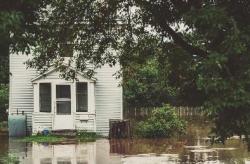
Floodwaters carry a wide array of contaminants including sewage, animal waste, chemicals, pesticides, fuel, fertilizers, and physical debris.30 Shallow wells in low lying areas and GUDI and GARP wells are most susceptible to contamination during floods and should be considered contaminated until tested.
Floodwaters can enter wells of any type through submerged wellheads, cracks or openings in the casing, or via failed or missing seals.9 Deep or forceful floodwaters carrying large pieces of debris can physically damage or loosen well caps or vents, allowing contamination in.
Hardware and electrical components, pumps or treatment equipment can become damaged, resulting in pressure loss, treatment failures, or electrical shock hazards. Coastal flooding can contribute to rising water tables and saline intrusion, causing additional concerns due to elevated chloride or sodium in drinking water wells,31,32 which can have operational impacts and affect aesthetic quality.24
Microbial contamination is often the focus of well testing and hazard assessments after a flood, with the literature providing ample evidence of the impact that flooding can have on well water microbiological quality.33 This includes contamination by fecal indicator bacteria (TC and E. coli) and opportunistic pathogens such as Legionella and Mycobacteria.26,34 A higher proportion of private wells have tested positive for TC and E. coli compared to baseline following major flooding events in Canada,33 and following hurricane-related flooding in the US.35,36 Contamination risks are greatest in the immediate aftermath of events and decline thereafter.35
There is a dearth of literature on chemical contamination of private wells after floods, representing an important knowledge gap. Many private wells owners do not routinely test for chemical contaminants, making post-flooding comparison to baseline levels difficult. This may be particularly relevant for wells near agricultural activity or contaminated sites; however, more research is needed to understand how flooding affects chemical water quality and how long after a flood the hazards may persist.
Wildfires
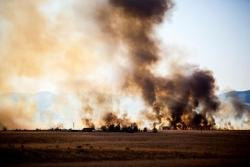
Wildfires can increase the risk of private well contamination through physical damage, system disruption, or post-fire changes to the local environment.
Damage and loss of structures: Wells that become exposed during a fire can be directly contaminated by deposition of fire debris and ash. The nature of contamination will depend on what was burnt, which could include the well housing, pumps, treatment equipment, or electrical connections. Burnt or damaged electrical equipment can pose electrical hazards and destroyed storage tanks can cause spills of fuels or chemicals, posing a risk to nearby shallow wells, or leaching into exposed wells. Fire fighting activities such as emergency vehicle movements can also damage septic tanks, underground storage tanks, or pipework, potentially exposing well water to new sources of subsurface contamination.
The loss of structures, damaged pipework and service lines, or power outages, can all result in pressure loss. This can cause contaminated water to siphon back into a well, or cause negative pressure, which can draw in contaminants from the surrounding area, including smoke, ash, or gases from burnt structures or vegetation.37 Sediments that settle in pipework during a pressure loss event can be colonized by bacteria, which can contaminate a system when pressure is restored.
Burnt plastics and organic pollutants: Any components of the well casing, caps, or pipework made of plastic (e.g., PVC, HDPE, PEX etc.) that is burnt or exposed to extreme temperatures (e.g., > 200°C) may generate volatile organic or semi-volatile organic compounds (VOCs/SVOCs).38-40 The types and quantity of VOCs/SVOCs generated will depend on the plastic type and composition (e.g., stabilizers or additives), and the duration and intensity of heat exposure.41 Most well casings are not made of plastic but shallow pipes connecting wells to households or other structures may be. The risks of thermal damage to pipes is higher for pipes buried < 0.3 m below ground, where burn durations are > 2 h.39 Water can become contaminated by VOCs, such as benzene, generated in heated pipework and leaching back into water after the pipework has cooled,41 or via combustion gases condensing onto exposed pipes or well casings, or via thermally damaged pipework back-siphoning contaminants into a well.40,42 There is a wide range of VOCs/SVOCs that have been detected in condensate of combustion gases including benzene, toluene, styrene, naphthalene, among others, some of which may pose health risks via ingestion, inhalation, or dermal contact.43
Changes to surface hydrology: Wildfires remove vegetation and char surfaces, affecting how water is retained and flows over surfaces or is retained in the soil, along with the contaminants it may carry. Ash from burnt structures or vegetation can leach contaminants such as nutrients, organic acids, metals, or polycyclic aromatic hydrocarbons (PAH) into groundwater.44-46 This can introduce contaminants or change groundwater pH, affecting treatment processes or premise plumbing. The impacts of wildfire on well water may only become apparent during subsequent rainy periods, potentially many months later, and effects may last for months to years.
Fire fighting activities: Aerially applied fire retardants used in suppressing wildfires often raise concerns for homeowners on sites where they are applied. Commonly used products contain inorganic salts like ammonium phosphate, ammonium sulfate, and additives like thickening and colouring agents, spoilage and corrosion inhibitors.47,48 Some products may contain small quantities of metals.49 A US Forest Service human health risk assessment of these products reported negligible risks to people most exposed, but did not assess exposure via groundwater ingestion. A screening-level risk assessment by Alberta Health found that these products present a negligible exposure risk to persons ingesting groundwater in areas where they have been applied, and precautions are more applicable for direct contact or consumption of affected surface waters.50
Evidence of wildfire impacts on private well water quality post-wildfire remains limited.37,51 Of 10 private wells tested after the 2021 Marshall Fire in Colorado,37 uncovered, shallow wells were most affected and changes in water quality included elevated total organic carbon (TOC), and sporadic detection of some inorganic contaminants, though none exceeded US health limits or were at atypical levels. No VOC contamination was detected, but SVOCs were detected in three wells, with 16 SVOCs detected in one shallow, exposed well, of which, bis(2-ethylhexyl)phthalate exceeded the US maximum contaminant level (MCL) at the water surface (but not at 3-4 ft depth). Another post-wildfire study of shallow private wells in Portugal found small or no changes in water pH, turbidity, colour, silica, conductivity, major ions, and most trace metals, although Fe, Mn, and Cr were elevated at some sites. The study also reported elevated total concentrations and more individual PAHs detected, especially after the post-fire rainy season. Some high molecular weight PAHs were detected temporarily, notably benz[a]anthracene (BaA) and benzo[a]pyrene (BaP).44 More research is needed to understand the immediate and long-term impacts of wildfire on the quality of water in groundwater sources and impacted private wells.
Health effects associated with contaminated well water
There are knowledge gaps in understanding the association between private well water reliance and health outcomes; however, evidence suggests that well water users are more exposed to waterborne pathogens and experience a higher level of waterborne illness compared to those using a regulated supply.52-54
Studies investigating associations between private well water use and illness in Canada and the US are listed below, representing both routine and emergency events.
- Murphy et al., 2015: A quantitative microbial risk assessment (QMRA) estimated > 78,000 cases of acute gastrointestinal illness (AGI) in Canada each year are caused by exposure to waterborne pathogens (e.g., Giardia, Cryptosporidium, Campylobacter, coli O157 and norovirus) in drinking water from private wells.3
- DeFelice et al., 2016: In a North Carolina county’s private wells (2009-2013), 35.7% of samples tested positive for TC and 1.37% for coli. An estimated 7.3% (95% CI) of emergency department (ED) visits for AGI were due to drinking water, of which most (99%) were associated with private wells and each 10% increase in TC prevalence was predicted to cause a 3% increase in ED visits in the county.55
- Kennedy and Drage, 2020: A review of evidence from epidemiological studies in Nova Scotia found various studies reporting on elevated arsenic body burden and possible health effects associated with exposure to arsenic in private wells, and chronic exposure to uranium in well water being linked to impaired kidney function.14
- Burch et al., 2021: Up to 301 AGI cases per year were estimated to be caused by private well water contamination in a Wisconsin county with a Karst topography of which Cryptosporidium parvum was predicted to account for 63% of cases.56
- Latchmore et al., 2023: A QMRA estimated 4823 illnesses each year are caused by exposure to three waterborne pathogens in private well water — norovirus (62%), Giardia (24.6%), and shiga-toxin producing coli (13.4%) in Ontario.57
- Mooney et al., 2024: A comparison of studies of private well users in Ontario and Ireland, found that private well use was a significant predictor of AGI.52
- Kunz, 2024; National Outbreak Reporting System (NORS): An analysis of factors contributing to enteric illness outbreaks in the US from 2015 to 2020 found that drinking water was implicated most frequently, and where the water source was known, wells were identified in 13/14 outbreaks.58
Only a few studies have reported on non-fecal indicators or non-AGI outcomes, limiting a full understanding of the health impacts associated with private well use.59 Some studies have reported enteric viruses in well water at similar frequencies to bacteria, but viruses are rarely tested under routine or emergency conditions, with limited studies of related illnesses among well users.54,60 Overall, there is likely underreporting of mild illnesses cause by pathogenic organisms in private well water.61
Many studies investigating chemical contaminants in private wells have reported on the presence of inorganic and organic contaminants,14,27,28,62,63 but few have carried out associated human health risk assessments.64 The health effects of exposure to arsenic, nitrate, and lead in drinking water are well established and some studies have reported on health outcomes linked to contaminant levels in well water specifically.14,65-67 This has included investigation of lead in tap water of homes supplied by wells, noting elevated levels in some cases.68 The absence of pH and corrosion control in water supplied by wells could explain differences in lead concentrations compared with homes using a public water supply.
Interest in emerging contaminants such as per- and polyfluoroalkyl substances (PFAS)69 in private wells is growing. One pan-US study found that PFAS profiles and estimated levels were similar among private wells and regulated public water supplies,70 indicating broad exposure across public and private supplies. A study of 271 rural well users from four US states reported PFAS in 15% of wells with no known local source and 53-88% of wells where a source was known, indicating that proximity of PFAS production, use, or disposal sites likely increases risks to well water users.71,72 While several studies have investigated PFAS contamination of groundwater near Canadian airports,73 further study is needed to understand the distribution of PFAS in Canadian private well water. There is also limited research related to other organic contaminants in private wells, including wildfire pollutants and their possible health impacts.74,75
It is important to emphasize that some groups, such as infants, children, and immunocompromised people may be more impacted by repeated exposure to contaminated well water than others. Pathogens such as E. coli, Giardia and Cryptosporidium can cause more severe illness for those with less developed immune systems, and chemical contaminants can have detrimental development impacts on infants and children,76 and could pose a risk to maternal or fetal health. Risks of exposure to some contaminants, such as nitrate can be particularly significant for infants fed with baby formula made with contaminated well water, and private well owners should consider risks.
Protecting private wells from contamination
Routine well stewardship
Good well stewardship includes practices such as inspection, maintenance, and water testing that help to identify and resolve problems early. This can be supported by good well records, a well diagram with key information about well construction and proximity to contamination sources and knowing how to access professional support when needed to respond to an emergency or disaster.
Routine inspection and maintenance
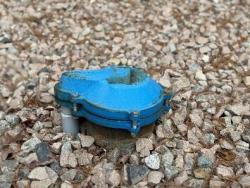
Several public agencies provide detailed advice on routine inspection and maintenance of private wells.10,77-81 General considerations include regular inspections of components such as well caps and seals, electrical conduits, air vents, and screens for wear, damage, blockages, or other issues. Signs of more serious damage such as cracks or openings in the casing or well pad, or signs of subsidence may require assessment and repair by a well professional. Older wells can be at greater risk of experiencing problems.82
Inspection can also include checking for operational changes such as loss of pressure, a pump running continuously, or gurgling sounds at the taps that may indicate leaks or line damage. Visible signs inside a well casing such as floating debris, staining, odours or slime associated with nuisance bacteria could also signal problems. Some issues may also be visible at the tap, such as elevated Mn appearing as discolouration. While inspection can identify structural or operational issues, only water testing can reliably detect microbiological pathogens or chemical contaminants.
Routine maintenance can reduce susceptibility of a well to sources of contamination, and using a well maintenance checklist can support these activities. This can include maintaining well caps in good condition, replacing old or degraded seals, ensuring vent screens are in good condition, and keeping the area around the well clear of vegetation, debris, chemicals, fuels, or other potential contamination sources. This can facilitate regular inspection and minimize the presence of flammable material that could damage a well during a fire. Maintenance could also include upgrading old wells to add features like sealed caps or vents that may be missing.
There has been limited published research on private well water quality, well condition, and stewardship practices in Indigenous communities, including barriers faced by communities. A 2024 expert report on decentralized water systems by Fuller, Longboat, and Gagnon, provides several insights related to private wells in some First Nations communities (Box 1).2
|
BOX 1: Decentralized drinking water systems in First Nations: Individual wells – risks and recommendations2 |
|
This project, funded by Indigenous Services Canada, worked with representatives from over 70 First Nations, Tribal Council, and technical First Nations organizations to understand risks and recommendations for maintaining safe drinking water in First Nations homes supplied by individual wells.
For more on this report and key findings, see additional resources hosted by: |
Routine testing
Routine testing helps establish baseline conditions that can be tracked over time and help identify problems if they arise. Recommended test frequency for microbiological testing ranges from one to two times per year across Canadian provinces (See Appendix A: Well testing recommendations) and usually recommends total coliforms (TC) only, or TC and E. coli. Health Canada recommends bacteriological testing twice per year.78 Testing for TC only, rather than E.coli, and testing less than the recommended frequency provides a very limited indication of microbiological safety.
For chemical parameters, recommended test frequencies vary from once per year to once every five years. Many agencies recommend more frequent testing based on local risks (e.g., presence of arsenic, uranium, manganese, or nitrate), or following extreme weather.83,84 Health Canada recommends testing every two years for general water quality parameters, and following local health authority advice for other chemical parameters. More frequent testing may be needed if there are persons at elevated risk in the household (e.g., infants, or pregnant or elderly people), unexplained illnesses, noticeable changes in water taste, odour, or appearance, or following a well repair or reports of contamination in nearby wells. Wells with intermittent use, such as seasonal residences, should consider testing at the beginning of each season.8
Unlike regulated public water supplies that often conduct daily or more frequent testing, the recommended test frequency for private wells of twice per year for microbiology and less frequently for chemical parameters provides only an occasional snapshot of water quality. While more frequent and comprehensive testing would be beneficial, it is not always practical or economical. Test frequency should be informed by known risks. As a rule, wells with more variable water quality, such as shallow wells or GUDI/GARP wells, should be tested more frequently,85 particularly following heavy precipitation or flooding events. More frequent testing increases the likelihood of detecting intermittent contamination. For example, a large study of voluntary well water testing for E. coli in Ontario (2010-2017) found that increasing test frequency from one to five times per year increased E. coli detections from <3% to 13-23%.83 Households testing only once a year may fail to detect changing exposure risks throughout the year, and be left with a false sense of security about their water quality.
Preparedness and response to floods and wildfires
Preparing for emergencies should focus on minimizing pathways for contaminants to enter a well during an unforeseen event. Routine inspection and maintenance can address many issues, but additional considerations can help reduce risks in areas prone to floods or wildfires.
In flood zones, ensuring the well cap is flood proof and the wellhead or vents are elevated above the highest recorded flood level, or higher, can prevent ingress of contamination. It is important to consider that historic high water levels may not reflect future high water levels as flooding events become more severe. Installation of automatic vent shutoff features or backflow valves can prevent contamination from entering the system during a flood or pressure loss event.86 Ensuring surface runoff is directed away from the wellhead, by mounding earth around the casing can direct drainage away from the well and prevent contamination both during floods or heavy precipitation following a fire. Removing flammable debris from around wells can reduce fire impacts, and installing impact resistant devices around exposed wellheads can reduce potential damage from flood debris.9
Post-event inspection and response recommendations
Public health and government agencies provide guidance on inspecting and responding to possible well contamination after floods or wildfires, ranging from short checklists to detailed assessment and treatment recommendations. A summary of key recommendations is listed below.37,78,81,86-104
General recommendations
- Check for hazards (e.g., fallen power lines, sharp objects; trip hazards) and if damage to electrical components, pumps, and treatment equipment are suspected, do not use and seek professional advice.
- Observe water flow using an outside tap, checking for abnormal flow or noises that indicate pressure loss or line breaks.
- Note any changes in water appearance (e.g., clarity, colour, turbidity, oil) or odour.
- Inspect for signs of chemical or fuel spills such as odours or a sheen on the water surface.
- Do not use water for drinking, food preparation, ice, or infant formulas, washing fruits or vegetables, brushing teeth, washing dishes, or hydrating pets until confirmed to be safe.
- Flush the well via an outside tap as soon as it is safe to run the pump to remove potentially contaminated water and reduce the risk of contaminating premise plumbing. Flushing should continue until water runs clear and odour free; shock chlorination and testing may follow.
Additional considerations after a flood can include ensuring flooded electrical components are fully dried before restoring power, and inspecting and cleaning pumps, valves, and gears of sand and silt. Risk factors to look for include signs of physical well damage, subsidence or well collapse, or floodwater ingress at the wellhead through damaged or submerged well caps.
Additional considerations after a fire can include checking well components, tanks, and housing for obvious fire damage, and protecting an exposed well from additional contamination. Well owners may also check for less obvious signs of thermal damage such as warped or melted caps, seals, a smell of burnt plastic, or charred ground above pipe runs that could indicate underground thermal damage. The presence of burnt structures or well components, pressure loss in the system, or knowledge that the well is hydraulically impacted (obtains water from an area with burned structures/pressure loss) all increase risk of well contamination.105 Decision support tools such as the US CDC rapid assessment form for wells affected by wildfire can guide an assessment of damage and risks.106,107 A simplified decision-making tool from Boulder County Public Health also helps assess damage levels for wells after a fire, with proximity to the fire, damage to structures or wells, and loss of water pressure informing which actions to take.108
Testing recommendations after a contamination event
If well contamination is suspected, flushing and shock chlorination processes should be conducted before testing. An alternate water source should be used for drinking, preparing baby formula, food, or ice cubes, brushing teeth, and water for pets until the water is confirmed to be safe. Boiling water to a rolling boil for at least a minute can help eliminate microbiological hazards but does not remove chemical hazards.
Microbiological testing (TC and E. coli) is advised after any disaster, and many jurisdictions provide free testing, though uptake is often low,5,109 potentially due to a low perceived risk among well users. A damage assessment of septic tanks, fuel or chemical storage tanks, well components or equipment can help determine the risk of contamination and inform what to test for. Consideration should also be given to contamination on neighbouring properties. Depending on local sources of contamination, additional test parameters could include:
- Baseline parameters to detect changes in water quality: pH, conductivity, turbidity, solids, organic carbon, and aesthetic parameters (taste, odour, colour), etc.
- Additional microbiological parameters: Enteric viruses, and increased frequency of bacteriological testing following the event
- Inorganic contaminants: Ammonia, nitrate, sulfate, metals (e.g., iron, arsenic, copper, lead), phosphorus, salts (boron, chloride, sodium)
- Organic contaminants: VOCs/SVOCs, PAH, pesticides
Few agencies specify which organic contaminants to test for after a flood or fire, though some advice was developed by Butte County Public Health Department following the 2018 Camp Fire. This included testing for total and fecal coliform bacteria, benzene, or other VOCs depending on the damage assessment.110 If a fuel or chemical spill has occurred, this may prompt PAH or BTEX (benzene, toluene, ethylbenzene, and xylene) testing, or specific chemicals depending on the source. Following a wildfire, extensive damage to wells, equipment, structures, or plastic pipe work, or a hydraulic connection to affected areas could prompt testing for VOCs/SVOCs.104 Benzene is most commonly recommended, but a wide range of VOCs may be present,51 and benzene or BTEX may not always be generated alongside other VOCs.37 Research in this area is emerging to inform prioritization of the VOCs/SVOCs most likely to be present, and those posing the greatest hazard to private well users.37,41,51,75 Testing for VOCs should consider a period of water stagnation (e.g., 8-72 hrs) before testing to detect any chemicals in the pipework that may later diffuse back into water after flushing.104,111 US EPA Method 524.2 is the most recommended method for analysis of benzene and other VOCs in water.112
While some agencies advise testing water following the use of aerially applied fire-retardants, no agencies specify which parameters to test, and available evidence suggests they are unlikely to pose a significant health risk to well users, although further study is needed.47,113,114
Addressing well contamination
Before taking steps to decontaminate a well, all efforts should be made to ensure that faults or damages are repaired, and all possible sources of contamination are identified and controlled. If it is not possible to eliminate the contamination source, alternatives should be considered such as opting for a new well, installation of point-of-entry or point-of-use treatment, or seeking an alternative water source.87,115
Flushing
When the source of contamination is controlled, flushing can help to remove some suspended contaminants such as sediment or debris that may have entered the well. As described previously, flushing is also the primary removal strategy for chemical contaminants like VOCs/SVOCs that may have been caused by wildfire activity. A stagnation period of hours to several days prior to flushing may be needed as some chemicals, such as benzene in pipes affected by high temperatures (e.g., ≥ 250°C), may leach gradually over many days. A longer stagnation period before flushing (e.g., up to 7d) may be required where shallow pipework has been significantly exposed to high temperatures. After the stagnation period, flushing the well or impacted pipework can ensure water that was in contact with thermally affected plastic is removed. Flushing may not fully remove biological contaminants or nuisance bacteria that can remain attached to surfaces or biofilms in the casing or pipework. Disinfection using shock chlorination is needed to remove these hazards.
Disinfection using shock chlorination
Shock chlorination is used to kill off nuisance bacteria or decontaminate a well following an event like a flood. Shock chlorination is sometimes recommended as routine annual or biannual maintenance,68 though most well owners do not shock chlorinate routinely. One study of 97 private wells on or near agricultural operations in Alberta found that only 2% shock chlorinated annually and 36% never shock chlorinated, despite microbiological sampling indicating that about 21% of the wells were positive for TC.4
How does shock chlorination work?
Shock chlorination introduces a high concentration of chlorine-based disinfectant to a well and associated plumbing system for a fixed duration to inactivate nuisance bacteria or pathogens. It is followed by flushing of the well and the plumbing system to remove chlorine and contaminants. Chlorine is usually introduced as a liquid (e.g., sodium hypochlorite solution, or bleach) but calcium hypochlorite tablets or granules are sometimes used. When chlorine reacts with water, it can form hypochlorous acid (HOCl) or hypochlorite ion (OCl-) that oxidize ammonia and organic matter, degrading bacteria or pathogens. HOCl is a much stronger disinfectant, by about 100 times,116 and dominates the equilibrium with OCl- at pH 3.5-5.5. For pH above 8, OCl- dominates and is less effective;117 therefore, maintaining an acidic pH below 6.5-7.0 can improve the effectiveness of shock chlorination.
What factors influence the effectiveness of shock chlorination?
In addition to pH, the effectiveness of shock chlorination can depend on the concentration (C) of chlorine used and the duration (T) it is held in the well, often referred to as the CT value (mg-hr/L).117 The target CT for microbial contaminants in regulated water systems is often based on a desired removal rate for the most resistant pathogens (e.g., 255 mg-hr/L to achieve a 3-log removal of Cryptosporidium),118 which is also protective against other less resistant pathogens.119 Biocidal effects for bacteria, like E. coli, can occur relatively quickly even at low concentrations (e.g., < 5 mg/L) but a higher concentration and holding time is needed to inactivate more resistant pathogens.120
Other factors can influence shock chlorination effectiveness. Chlorine is less effective at lower temperatures, and a longer contact time is needed in winter than in summer.116 Contaminants such as organic matter, biofilms, iron, and manganese that react with chlorine can reduce effectiveness by consuming chlorine, making it unavailable for disinfection.118 Thick biofilms within the well casing or pipework can also shield microbial contaminants from exposure to chlorine, and poor mixing of chlorine within the well may impact effectiveness. Shock chlorination does not provide a long-term disinfectant effect, and if contamination sources are not controlled or resistant biofilms continue to shelter microbial contaminants, it may need to be repeated. Scrubbing or pre-flushing a highly colonized well before shock chlorination could remove some of this material.
What do shock chlorination protocols recommend?
The American Water Works Association (AWWA) standard ANSI/AWWA C654-21 Disinfection of wells121 (2022) describes current recommendations for shock chlorination, replacing the 2013 standard. The major revisions since 2013 include updates to the scope and definitions, an increase in the recommended chlorine residual from 50 to 100 mg/L, and no longer recommending calcium hypochlorite granules are used without being put into solution first. Most Canadian federal, provincial, and territorial agencies roughly align with the principles of C654, though many have not been updated since the 2013 version.7
A 2020 study of shock chlorination protocols across 34 US states by Pieper et al. identified wide variation in recommended practice, and gaps in communicating disinfection principles and considerations such as pH adjustment. Recommended chlorine doses and holding times varied, with calculated CT ranging from 35 to 16,327 mg-hr/L, and 27% of protocols not achieving the recommended CT (255 mg-hr/L).118
A review of current Canadian shock chlorination protocols (See Appendix B: A comparison of Canadian shock chlorination protocols for existing wells) also found wide variation in the type of advice provided to private well owners, including how chlorine is delivered to the well and the recommended concentrations (e.g., 34 – 1451 mg/L) and holding times (6 – 48 h). The predicted CT values across protocols ranged from 269 – 17,412 mg-hr/L, with all predicted to achieve the recommended CT. Only two Canadian protocols advised measuring water pH before starting, and adjusting to an acidic level (e.g., < 6.5 using vinegar) to ensure effectiveness.122,123 Only one protocol mentioned testing chlorine residual at the taps to ensure at least 10 mg/L chlorine was detected. Several protocols mentioned adding more bleach if no chlorine smell was detected at the taps; however, chlorine odour can be detected closer to 1 mg/L, so odour is not a reliable indicator of adequate chlorine concentration. Despite many differences, several recommendations were consistent across Canadian protocols:
- Preparation: All recommend having a backup water supply to cover the holding time of chlorinated water in the system, and to not consume tap water until testing can confirm it is safe.
- Health and safety considerations: Most highlight the hazards of working with highly concentrated chlorine, using personal protective equipment to protect eyes and skin, and working in a well-ventilated area to avoid breathing in vapours. Many highlight possible electrical shock hazards.
- Creating chlorine solutions: Most recommend using new, unscented, liquid household bleach (sodium hypochlorite), which is usually sold with around 5.25% available chlorine undiluted.
- Being aware of equipment and system risks: Many recommend bypassing water treatment equipment and softeners to prevent damage, and many warn that exceeding holding times could damage fittings or components; some recommend back-washing devices after the process. Some protocols advised on draining and chlorinating the hot water tank, but not all.
- Chlorine odour as an indicator: Most recommend circulating chlorinated water in plumbing by turning on taps one at a time, flushing toilets, and running appliances. Chlorine odour is used to indicate that chlorine solution has reached an outlet or has been fully flushed after the holding time.
- Avoiding over-pumping the well: Many recommend opening taps or outlets one at a time when filling or flushing to prevent over-pumping, which could damage the pump or increase risks of well collapse.
- Be aware of environmental risks: Most recommend flushing the chlorine from the system, starting with an outside tap, and directing water to a culvert or drainage ditch until no chlorine is detected. The aim is to prevent chlorinated water from harming septic systems, vegetation, or natural waterways.
Testing after shock chlorinating
After the shock chlorination process, all protocols recommend microbiological testing, though vary on the timing and number of tests. Water should be tested in the days to weeks after disinfection, and further samples in the subsequent months can ensure the contamination source is controlled. Generally, protocols did not recommend conducting any chemical testing after shock chlorinating, even though the process can cause temporary impacts on chemical water quality for some wells. This can include temporary discolouration, sediments, or elevated, Mn and Fe,17 or other metals (e.g., Cu, Fe, Pb, Zn).124 In areas with naturally elevated arsenic (As), chlorine can act as an oxidant dissolving As from sediments, causing temporarily elevated levels. Maintaining a neutral pH (pH 6-7), not exceeding holding times (12-24 hr), and flushing thoroughly can reduce the risk.125 Well owners in areas with naturally elevated As should be aware of the importance of testing for As after shock chlorination.
Adopting a well stewardship approach –understanding barriers and motivators
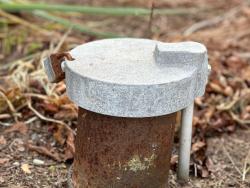
Understanding potential sources of well water contaminants and their health impacts, combined with regular inspection, maintenance, testing, and emergency preparedness and response measures can help create a robust well stewardship approach that contributes to safer well water.
Despite efforts to raise awareness and encourage greater well stewardship, there is consistent evidence that many private well owners do not adopt recommended practices.
A 2025 report from The Office of the Auditor General of Ontario reported that less than 1/3rd of private well users had tested their water in the past 12 months, and low testing rates were accompanied by low levels of well maintenance.26 This is despite 35% of Ontario well and water intakes testing positive for bacterial indicators between 2003 and 2022. A study of private wells on or near agricultural operations in Alberta reported similar findings, with only 25% of owners surveyed testing annually for microbiological contaminants, and 20% for chemical contaminants, despite 21% of wells testing positive for TC.4 Nationally it is estimated that only 20% of households using a non-municipal supply (mostly private wells) had tested their water at least once in the past 12 months.1
There are many barriers to well stewardship that have been well documented in the literature such as inadequate personal knowledge and awareness about well water safety, and the inconvenience and cost of water testing.52,126-128 Several studies have highlighted that the lack of perceived risk or understanding of potential negative health impacts from exposure to well water contaminants can lead to a low uptake of protective behaviours such as inspection, maintenance, and testing. For example, a survey of private well users in Nova Scotia found that most were confident that their water was safe (74%) and most reported low or no concern about contaminants, despite many being in areas with known contamination sources such as As.129 This confidence in the safety of their water aligned with a majority not testing at the recommended frequency. Lack of concern was the most cited reason for not testing (41%), followed by inconvenience (23%) and cost (16%).
Overcoming barriers to better well stewardship is challenging and may require a combination of approaches including support for testing, repetitive messaging about the reasons to practice well stewardship, and advice on how to interpret test results and prepare for and respond to emergency events. Some jurisdictions have attempted to overcome cost and convenience barriers by providing free testing and addressing accessibility (e.g., providing sample bottles and instructions, and simplifying sample submission). These measures can improve uptake marginally, but uptake often remains low even when these barriers are addressed.4,83 Some jurisdictions are also requiring testing at the point of a real estate transaction; however, this may not translate into continued stewardship behaviour for the new owner.
Designing strategies that motivate protective behaviours may require further work to understand why many well owners do not perceive well water to pose a health risk. A lack of risk perception may be linked to prior experience of good aesthetic quality or a prior negative test result indicating no contamination.128 Some well users may also consider well water to be natural or unprocessed, and therefore healthy. The 2025 Ontario Auditor General report found that lack of awareness of health risks was a key barrier to testing.130 This aligns with a study by Musacchio et al. (2021), indicating a very low awareness of the cause-effect relationship between flooding and well contamination, and a need to raise awareness of contamination sources and pathways, and the possible health impacts,127 particularly for more susceptible people like infants, children, pregnant people and those with weakened immune systems.
Improving baseline knowledge and skills about risks to well water safety may require continuous communication through various channels about contamination pathways, health risks, sampling procedures, and appropriate responses to adverse events.126 Messaging should also emphasize the variable nature of water quality due to factors such as seasonality, extreme weather or disasters, the risks of relying on past test results, and the benefits of regular testing to ensure problems are detected early. This messaging may need to be tailored for certain audiences or local risk factors, framed around the benefits of well testing and consequences of not doing so.126-128
Personal beliefs and local social norms can affect motivations to adopt protective behaviours. Engaging with local champions, networks, or local media campaigns may be more effective in conveying key messages.127 One intervention study in Oregon state is seeking to promote behaviour change among well users by assigning community health navigators to assist well owners in decision making on water treatment or overcoming other barriers to well stewardship.131 The outcomes of this study could inform future interventions to support private well users. Engaging primary health providers in areas with high densities of private wells may also be a way to raise awareness of well water as a possible source of illness among patients and provide an opportunity for trusted voices to emphasize health protective behaviours.
Summary
Although a substantial body of literature addresses various aspects of private well management, and public agencies provide a wide array of guidance materials, adoption of best practices by private well owners could be improved. A persistently higher burden of waterborne illness among private well water users indicates that more targeted support is needed to help well owners maintain safe drinking water. Continuing research is needed to clarify the health impacts of reliance on well water, to understand how more frequent and intense climate-related events like fires and floods affect private wells, and to identify how to support effective well stewardship.
This review found that existing guidance, including advice on preparedness and response to floods and wildfires and shock chlorination protocols varies widely, and more consistent messaging and a clearer evidence-basis for recommendations is needed. Further research is needed to understand the short- and long-term impacts on well water quality of large floods and wildfires, or frequent events, including understanding the health effects arising from exposure to new chemical contaminants in well water. More publicly available reporting of water quality after such events can help to improve understanding of the types and levels of contaminants that may be encountered.
This review also finds that most shock chlorination protocols have not been updated significantly since our 2013 review. Further consideration of the evidence basis for protocols could lead to improvements, such as establishing appropriate CT more in line with best practice, considering how to incorporate advice on pH adjustment, and tailored messaging for private well owners in areas with naturally elevated arsenic. Further study of how well users interpret and apply protocols could uncover whether key steps are adopted, or whether protocols could be communicated more effectively.
Environmental public health (EPH) practice has an important role to play in addressing key knowledge and practice gaps in well stewardship by improving awareness of possible health risks, promoting protective behaviours, and reducing barriers to testing where possible. More tailored messaging that reflects community norms, perceptions, and knowledge base may improve adoption of advice and recommendations into practice.127 EPH professionals or other community educators and trusted voices working with communities or directly with well owners may be best placed to understand local barriers and communicate local risks and assist well owners to adopt proactive well stewardship behaviours.
Acknowledgements
We acknowledge the valued input from those who assisted in the production and review of this document, including Michele Wiens, Information Specialist, NCCEH; Ryan Huff, Knowledge Translation Scientists, NCCEH; Nancy Clements, Regional Health Built Environments Consultant, Island Health; and Robert Rippin.
Appendix A: Well testing recommendations
Appendix B: A comparison of Canadian shock chlorination protocols for existing wells
References
- Statistics Canada. Households and the environment survey, dwelling's main source of water. Ottawa, ON: Government of Canada; 2025. Available from: https://www150.statcan.gc.ca/t1/tbl1/en/tv.action?pid=3810027401.
- Fuller M, Longboat S, Gagnon G. Decentralised drinking water and wastewater expert report: technical issues, community-level risk identification, and management recommendations. Halifax, NS: Centre for Water Resources Studies, Dalhousie University; 2025 Jul 8. Available from: https://sfnwa.ca/images/decentralized_systems/Expert-Report-Decentralised-Systems-Final-Jul8.pdf.
- Murphy HM, Thomas MK, Schmidt PJ, Medeiros DT, McFadyen S, Pintar KDM. Estimating the burden of acute gastrointestinal illness due to Giardia, Cryptosporidium, Campylobacter, E. coli O157 and norovirus associated with private wells and small water systems in Canada. Epidemiol Infect. 2015;144(7):1355-70. Available from: https://doi.org/10.1017/S0950268815002071.
- Caffrey N, Hall D, Invik J, Cey E, Gow S, Cork S, et al. Current practices in private water well management in rural central Alberta. Can Water Resour J. 2020;45(3):187-203. Available from: https://doi.org/10.1080/07011784.2020.1754294.
- Fraser Valley Regional District. Increased risk of contamination to drinking-water wells in the Fraser Valley. Chilliwack, BC: FVRD; 2021 Dec 5. Available from: https://www.fvrd.ca/EN/meta/news/news-archives/2021/increased-risk-of-contamination-to-drinking-water-wells-in-the-fraser-valley.html.
- Water Canada. Newfoundland wildfires raise concerns over well water contamination. Toronto, ON: Water Canada; 2025 Sep 12. Available from: https://www.watercanada.net/newfoundland-wildfires-raise-concerns-over-well-water-contamination/.
- Eykelbosh A. Review of guidelines for shock chlorination in private wells. Vancouver, BC: National Collaborating Centre for Environmental Health; 2013. Available from: https://ncceh.ca/sites/default/files/Shock_Chlorination_Wells_Nov_2013.pdf.
- Woolf AD, Stierman BD, Barnett ED, Byron LG. Drinking water from private wells and risks to children. Pediatrics. 2023;151(2). Available from: https://doi.org/10.1542/peds.2022-060644.
- Federal Emergency Management Agency. Protecting building utility systems from flood damage. Washington, DC: US Dept of Homeland Security; 2017. Available from: https://agents.floodsmart.gov/sites/default/files/media/document/2025-07/fema_nfip-p-348-protecting-building-utility-systems-from-flood-damage-2017.pdf.
- Ottawa Public Health. Private well water manual. A quick users guide. London, ON: Middelsex-London Health Unit; 2016. Available from: https://www.ottawapublichealth.ca/en/public-health-topics/resources/Private-Well-Water-Manual-EN-ua.pdf.
- British Columbia Ministry of Health. Guidance document for determining groundwater at risk of containing pathogens (GARP). Victoria, BC: Government of BC; 2017. Available from: https://www2.gov.bc.ca/assets/gov/environment/air-land-water/water/waterquality/how-drinking-water-is-protected-in-bc/garp_assessment_oct_2017.pdf.
- Whelton AJ. Public health lessons from drinking water contamination disasters of utility and plumbing: chemical spills, wildfires, and more. West Lafayette, IN: Purdue University; 2022 Nov. Available from: https://engineering.purdue.edu/PlumbingSafety/resources/APHA-Disasters-2022-11-08.pdf.
- British Columbia Ministry of Health. Design guidelines for drinking water systems in British Columbia. Drinking water officers’ guide. Victoria, BC: Government of BC; 2023 Mar. Available from: https://www2.gov.bc.ca/assets/gov/environment/air-land-water/water/waterquality/how-drinking-water-is-protected-in-bc/dwog_part_b_-_17_design_guidelines_for_drinking_water.pdf.
- Kennedy G, Drage J. A review of private well contaminants, testing, and mitigation behaviours in Nova Scotia. Halifax, NS: Nova Scotia Energy and Mines; 2020. Available from: https://novascotia.ca/natr/meb/data/pubs/20ofr04/ofr_me_2020-004.pdf.
- Rivera A. Canada's groundwater resources. Markam, ON: Fitzhenry & Whiteside; 2014. Available from: https://publications.gc.ca/site/eng/9.854795/publication.html.
- Lane K, Trueman BF, Locsin J, Gagnon GA. Inorganic contaminants in Canadian First Nation community water systems. J Water Health. 2020;18(5):728-40. Available from: https://doi.org/10.2166/wh.2020.185.
- Afonso AC, Saavedra MJ, Gomes IB, Simões M, Simões LC. Current microbiological challenges in drinking water. J Water Process Eng. 2025;72:107614. Available from: https://doi.org/10.1016/j.jwpe.2025.107614.
- Letman MM, Drage J, Ryan A-M, Lake C, Jamieson R. Development of a leaching procedure to assess the risk of uranium leaching due to construction and demolition waste disposal. Waste Manag. 2018;78:144-50. Available from: https://doi.org/10.1016/j.wasman.2018.05.038.
- Environment and Climate Change Canada. Groundwater contamination. Ottawa, ON: Government of Canada; 2017. Available from: https://www.canada.ca/en/environment-climate-change/services/water-overview/pollution-causes-effects/groundwater-contamination.html.
- Agriculture and Agri-Food Canada. Water contamination by pesticides. Ottawa, ON: Government of Canada; 2021. Available from: https://agriculture.canada.ca/en/environment/resource-management/indicators/water-contamination-pesticides.
- Zogorski J, Carter J, Ivahnenko T, Lapham W, Moran M, Rowe B, et al. The quality of our Nation’s waters - Volatile organic compounds in the nation’s ground water and drinking-water supply wells. Reston, VA: US Geological Survey; 2006. Available from: https://pubs.usgs.gov/publication/cir1292.
- Health Canada. Guidelines for Canadian drinking water quality: guideline technical document - total coliforms. Ottawa, ON: Government of Canada; 2020 Jun. Available from: https://www.canada.ca/en/health-canada/services/publications/healthy-living/guidelines-canadian-drinking-water-quality-guideline-technical-document-total-coliforms.html.
- US Environmental Protection Agency. Potential well water contaminants and their impacts. Washington, DC: US EPA; 2025. Available from: https://www.epa.gov/privatewells/potential-well-water-contaminants-and-their-impacts.
- Health Canada. Guidelines for Canadian drinking water quality - summary tables. Ottawa, ON: Government of Canada; 2025. Available from: https://www.canada.ca/en/health-canada/services/environmental-workplace-health/reports-publications/water-quality/guidelines-canadian-drinking-water-quality-summary-table.html#t2.
- US Centers for Disease Control and Prevention. Private drinking water and public health. Atlanta, GA: Dept of Health & Human Services; 2024. Available from: https://www.cdc.gov/environmental-health-services/php/water/private-water-public-health.html.
- Lee D, Murphy HM. Private wells and rural health: groundwater contaminants of emerging concern. Curr Environ Health Rep. 2020;7(2):129-39. Available from: https://doi.org/10.1007/s40572-020-00267-4.
- Schaider LA, Ackerman JM, Rudel RA. Septic systems as sources of organic wastewater compounds in domestic drinking water wells in a shallow sand and gravel aquifer. Sci Total Environ. 2016;547:470-81. Available from: https://doi.org/10.1016/j.scitotenv.2015.12.081.
- Schaider LA, Rudel RA, Ackerman JM, Dunagan SC, Brody JG. Pharmaceuticals, perfluorosurfactants, and other organic wastewater compounds in public drinking water wells in a shallow sand and gravel aquifer. Sci Total Environ. 2014;468-469:384-93. Available from: https://doi.org/10.1016/j.scitotenv.2013.08.067.
- Lombard MA, Daniel J, Jeddy Z, Hay LE, Ayotte JD. Assessing the impact of drought on arsenic exposure from private domestic wells in the conterminous United States. Environ Sci Tech. 2021;55(3):1822-31. Available from: https://doi.org/10.1021/acs.est.9b05835.
- Wiebe AJ, McKenzie JM, Hamel E, Rudolph DL, Mulligan B, de Grandpré I. Groundwater vulnerability in the Yukon and Northwest Territories, Canada. Hydrogeol J. 2023 Oct. Available from: https://doi.org/10.1007/s10040-023-02720-8.
- Prince Edward Island Department of Environment Labour and Justice. Saltwater intrusion and climate change. A primer for local and provincial decision-makers. Charlottetown, PEI: Government of PEI; 2011. Available from: https://www.princeedwardisland.ca/sites/default/files/publications/saltwater_intrusion_and_climate_change.pdf.
- Government of British Columbia. Well drilling and operation advisory. Risk of sea water intrusion Southern Gulf Islands, BC. Victoria, BC: Government of BC; 2023. Available from: https://www2.gov.bc.ca/assets/gov/environment/air-land-water/water/water-wells/sea_water_intrusion_advisory__s_gulf_islands_final.pdf.
- Eccles KM, Checkley S, Sjogren D, Barkema HW, Bertazzon S. Lessons learned from the 2013 Calgary flood: assessing risk of drinking water well contamination. Appl Geog. 2017;80:78-85. Available from: https://doi.org/10.1016/j.apgeog.2017.02.005.
- Mapili K, Rhoads WJ, Coughter M, Pieper KJ, Edwards MA, Pruden A. Occurrence of opportunistic pathogens in private wells after major flooding events: a four state molecular survey. Sci Total Environ. 2022;826:153901. Available from: https://doi.org/10.1016/j.scitotenv.2022.153901.
- Pieper KJ, Jones CN, Rhoads WJ, Rome M, Gholson DM, Katner A, et al. Microbial contamination of drinking water supplied by private wells after Hurricane Harvey. Environ Sci Tech. 2021;55(12):8382-92. Available from: https://doi.org/10.1021/acs.est.0c07869.
- Drewry KR, Jones CN, Hayes W, Beighley RE, Wang Q, Hochard J, et al. Using inundation extents to predict microbial contamination in private wells after flooding events. Environ Sci Tech. 2024;58(12):5220-8. Available from: https://doi.org/10.1021/acs.est.3c09375.
- Jankowski C, Isaacson K, Larsen M, Ley C, Cook M, Whelton AJ. Wildfire damage and contamination to private drinking water wells. AWWA Water Sci. 2023 Feb 15;5(1). Available from: https://doi.org/10.1002/aws2.1319.
- Isaacson KP, Verma A, Whelton AJ, Youngblood JP, Shah AD. Formation and aqueous phase leaching of organic compounds following thermal degradation of commercial drinking water plastic pipes. J Hazard Mater. 2025;489:137562. Available from: https://doi.org/10.1016/j.jhazmat.2025.137562.
- Metz AJ, Fischer EC, Wham BP. Behavior of service lateral pipes during wildfires: testing methodologies and impact on drinking water contamination. ACS ES&T Water. 2023;3(2):275-86. Available from: https://doi.org/10.1021/acsestwater.2c00248.
- Metz AJ, Fischer EC, Wham BP, Dow NW, Willi JM, Schrader RL, et al. Assessing water quality impacts of wildfire-induced depressurization in water systems: an experimental method. Fire Technol. 2026;62(1):9. Available from: https://doi.org/10.1007/s10694-025-01834-7.
- Isaacson KP, Proctor CR, Wang QE, Edwards EY, Noh Y, Shah AD, et al. Drinking water contamination from the thermal degradation of plastics: implications for wildfire and structure fire response. Environ Sci: Wat Res Technol. 2021;7(2):274-84. Available from: https://doi.org/10.1039/D0EW00836B.
- Richter EG, Fischer EC, Metz A, Wham BP. Simulation of heat transfer through soil for the investigation of wildfire impacts on buried pipelines. Fire Technol. 2022;58(4):1889-915. Available from: https://doi.org/10.1007/s10694-022-01232-3.
- Horn GP, Dow NW, Neumann DL. Pilot study on fire effluent condensate from full scale residential fires. Fire Technol. 2024;60(1):1-18. Available from: https://doi.org/10.1007/s10694-023-01487-4.
- Mansilha C, Melo A, Martins ZE, Ferreira IMPLVO, Pereira AM, Espinha Marques J. Wildfire effects on groundwater quality from springs connected to small public supply systems in a peri-urban forest area (Braga Region, NW Portugal). Water. 2020;12(4):1146. Available from: https://doi.org/10.3390/w12041146.
- Abrantes N, Campos I, Junior C, Coelho C, Keizer JJ. Assessing the leaching of nutrients and trace metals from wildfire ashes and heated soils through soil column tests: Potential impacts on groundwater. J Hazard Mater. 2025;492:138097. Available from: https://doi.org/10.1016/j.jhazmat.2025.138097.
- Rodríguez-Jiménez E, Cruz-Pérez N, Koritnik J, García-Gil A, Marazuela MÁ, Santamarta JC. Revealing the impact of wildfires on groundwater quality: Insights from Sierra de la Culebra (Spain). Chemosphere. 2024;365:143375. Available from: https://doi.org/10.1016/j.chemosphere.2024.143375.
- Alberta Health Services. Aerial fire retardants and return to your home following a wildfire evacuation. Edmonton, AB: Government of AB; 2023 May. Available from: https://www.albertahealthservices.ca/assets/info/wfr/if-wfr-fire-retardant-returning-home-fact-sheet.pdf.
- Ministry of Environment & Climate Change Strategy. Fire retardants used to fight wildfires. Victoria, BC: Government of BC; 2019. Available from: https://www2.gov.bc.ca/assets/gov/environment/air-land-water/water/waterquality/water-quality-reference-documents/fire_retardants_and_water_quality_brochure.pdf.
- Schammel MH, Gold SJ, McCurry DL. Metals in wildfire suppressants. Environ Sci Technol Lett. 2024;11(11):1247-53. Available from: https://doi.org/10.1021/acs.estlett.4c00727.
- Alberta Health. Human health risks associated with aerially applied fire retardants screening level risk assessment. Edmonton, AB: Government of AB; 2022. Available from: https://open.alberta.ca/publications/human-health-risks-associated-with-aerially-applied-fire-retardants.
- Whelton AJ, Seidel C, Wham BP, Fischer EC, Isaacson K, Jankowski C, et al. The Marshall fire: scientific and policy needs for water system disaster response. AWWA Water Sci. 2023;5(1):e1318. Available from: https://doi.org/10.1002/aws2.1318.
- Mooney S, Lavallee S, O'Dwyer J, Majury A, O'Neill E, Hynds PD. Private groundwater contamination and risk management: A comparative scoping review of similarities, drivers and challenges across two socio-economically developed regions. Sci Total Environ. 2024;922:171112. Available from: https://doi.org/10.1016/j.scitotenv.2024.171112.
- Uhlmann S, Galanis E, Takaro T, Mak S, Gustafson L, Embree G, et al. Where's the pump? Associating sporadic enteric disease with drinking water using a geographic information system, in British Columbia, Canada, 1996-2005. J Water Health. 2009 Dec;7(4):692-8. Available from: https://doi.org/10.2166/wh.2009.108.
- Borchardt MA, Bertz PD, Spencer SK, Battigelli DA. Incidence of enteric viruses in groundwater from household wells in Wisconsin. Appl Environ Microbiol. 2003 Feb;69(2):1172-80. Available from: https://doi.org/10.1128/AEM.69.2.1172-1180.2003.
- DeFelice NB, Johnston JE, Gibson JM. Reducing emergency department visits for acute gastrointestinal illnesses in North Carolina (USA) by extending community water service. Environ Health Perspect. 2016 Oct;124(10):1583-91. Available from: https://doi.org/10.1289/EHP160.
- Burch TR, Stokdyk JP, Spencer SK, Kieke BA, Jr., Firnstahl AD, Muldoon MA, et al. Quantitative microbial risk assessment for contaminated private wells in the fractured dolomite aquifer of Kewaunee County, Wisconsin. Environ Health Perspect. 2021;129(6):67003. Available from: https://doi.org/10.1289/EHP7815.
- Latchmore T, Hynds PD, Brown RS, McDermott K, Majury A. Assessing the risk of acute gastrointestinal illness attributable to three enteric pathogens from contaminated private water wells in Ontario. Int J Hyg Environ Health. 2023;248:114077. Available from: https://doi.org/10.1016/j.ijheh.2022.114077.
- Kunz JM, Lawinger H, Miko S, Gerdes M, Thuneibat M, Hannapel E, et al. Surveillance of waterborne disease outbreaks associated with drinking water - United States, 2015-2020. MMWR Surveill Summ. 2024 Mar 14;73(1):1-23. Available from: https://doi.org/10.15585/mmwr.ss7301a1.
- Lee D, Gibson JM, Brown J, Habtewold J, Murphy HM. Burden of disease from contaminated drinking water in countries with high access to safely managed water: a systematic review. Water Res. 2023;242:120244. Available from: https://doi.org/10.1016/j.watres.2023.120244.
- Pang X, Gao T, Qiu Y, Caffrey N, Popadynetz J, Younger J, et al. The prevalence and levels of enteric viruses in groundwater of private wells in rural Alberta, Canada. Water Res. 2021;202:117425. Available from: https://doi.org/10.1016/j.watres.2021.117425.
- Uejio CK, Yale SH, Malecki K, Borchardt MA, Anderson HA, Patz JA. Drinking water systems, hydrology, and childhood gastrointestinal illness in central and northern Wisconsin. Am J Public Health. 2014;104(4):639-46. Available from: https://doi.org/10.2105/AJPH.2013.301659.
- Focazio MJ, Tipton D, Dunkle Shapiro S, Geiger LH. The chemical quality of self-supplied domestic well water in the United States. Ground Water Monit R. 2006;26(3):92-104. Available from: https://doi.org/10.1111/j.1745-6592.2006.00089.x.
- Bondu R, Cloutier V, Rosa E. Occurrence of geogenic contaminants in private wells from a crystalline bedrock aquifer in western Quebec, Canada: geochemical sources and health risks. J Hydrol. 2018;559:627-37. Available from: https://doi.org/10.1016/j.jhydrol.2018.02.042.
- Ford L, Waldner C, Sanchez J, Bharadwaj L. Risk perception and human health risk in rural communities consuming unregulated well water in Saskatchewan, Canada. Risk Anal. 2019;39(11):2559-75. Available from: https://doi.org/10.1111/risa.13335.
- Bulka CM, Scannell Bryan M, Lombard MA, Bartell SM, Jones DK, Bradley PM, et al. Arsenic in private well water and birth outcomes in the United States. Environ Int. 2022;163:107176. Available from: https://doi.org/10.1016/j.envint.2022.107176.
- Chaudhary IJ, Chauhan R, Kale SS, Gosavi S, Rathore D, Dwivedi V, et al. Groundwater nitrate contamination and its effect on human health: a review. Water Conserv Sci Eng. 2025;10(1):33. Available from: https://doi.org/10.1007/s41101-025-00359-y.
- Zeman C, Beltz L, Linda M, Maddux J, Depken D, Orr J, et al. New questions and insights into nitrate/nitrite and human health effects: a retrospective cohort study of private well users' immunological and wellness status. J Environ Health. 2011 Nov;74(4):8-18. Available from: https://www.jstor.org/stable/26329304.
- Pieper KJ, Krometis L-AH, Gallagher DL, Benham BL, Edwards M. Incidence of waterborne lead in private drinking water systems in Virginia. J Water Health. 2015;13(3):897-908. Available from: https://doi.org/10.2166/wh.2015.275.
- Kotlarz N, Guillette T, Critchley C, Collier D, Lea CS, McCord J, et al. Per- and polyfluoroalkyl ether acids in well water and blood serum from private well users residing by a fluorochemical facility near Fayetteville, North Carolina. J Expo Sci Environ Epidemiol. 2024;34(1):97-107. Available from: https://doi.org/10.1038/s41370-023-00626-x.
- Smalling KL, Romanok KM, Bradley PM, Morriss MC, Gray JL, Kanagy LK, et al. Per- and polyfluoroalkyl substances (PFAS) in United States tapwater: comparison of underserved private-well and public-supply exposures and associated health implications. Environ Int. 2023;178:108033. Available from: https://doi.org/10.1016/j.envint.2023.108033.
- Wood E, Mulhern RE, Gibson JM, Reich BJ, McWilliams A, Liyanapatirana C, et al. PFAS in rural US well water: using participatory science to identify and communicate results to address risks. Environ Sci Tech. 2025;59(32):16852-63. Available from: https://doi.org/10.1021/acs.est.5c02521.
- Environment and Climate Change Canada, Health Canada. State of per- and polyfluoroalkyl substances (PFAS) report. Ottawa, ON: Government of Canada; 2025. Available from: https://www.canada.ca/en/environment-climate-change/services/evaluating-existing-substances/state-per-polyfluoroalkyl-substances-report.html.
- Brindha K, Cao F. Global occurrence and distribution of PFAS in groundwater with emphasis on PFOA and PFOS. In: Jindal MK, Baranwal P, Das B, editors. Emerging Contaminants in Water. Cham: Springer Nature Switzerland; 2025. p. 145-82. Available from: https://doi.org/10.1007/978-3-031-89591-3_5.
- Solomon GM, Hurley S, Carpenter C, Young TM, English P, Reynolds P. Fire and water: assessing drinking water contamination after a major wildfire. ACS ES T Water. 2021 Aug 13;1(8):1878-86. Available from: https://doi.org/10.1021/acsestwater.1c00129.
- Proctor CR, Lee J, Yu D, Shah AD, Whelton AJ. Wildfire caused widespread drinking water distribution network contamination. AWWA Water Sci. 2020;2(4):e1183. Available from: https://doi.org/10.1002/aws2.1183.
- US Environmental Protection Agency. Private wells and drinking water safety and infants. Washington, DC: US EPA; 2025. Available from: https://www.epa.gov/children/private-wells-and-drinking-water-safety-and-infants.
- Alberta Agriculture and Forestry, Alberta Environment and Parks. Water wells that last. A guide for private well owners in Alberta. Edmonton, AB: Government of AB; 2019. Available from: https://open.alberta.ca/dataset/b86f55b7-0040-4c36-a326-f2df7df930d9/resource/b75188b6-c1de-4935-b1da-18c8e3345f30/download/af-aep-water-wells-that-last-2019.pdf.
- Health Canada. Well water and health: overview. Ottawa, ON: Government of Canada; 2025. Available from: https://www.canada.ca/en/health-canada/services/environment/drinking-water/well.html.
- Water Security Agency. Saskatchewan guide to private well and water management. Moose Jaw, SK: Water Security Agency; 2025. Available from: https://wsask.ca/wp-content/uploads/2025/06/Saskatchewan-Guide-to-Private-Well-and-Water-Management-June-2025.pdf.
- Nova Scotia Environment and Labour. A guide for private well owners. Halifax, NS: Government of NS; 2005. Available from: https://novascotia.ca/nse/water/docs/wellwaterbookletEnglish.pdf.
- Oregon Water Resources Department, Oregon Health Authority. Water well owner's handbook. Salem, OR: OWRD; 2021. Available from: https://www.oregon.gov/owrd/WRDPublications1/le8316.pdf.
- Fell LG, Deeth LE, Berke O, Trotz-Williams LA. Assessing well characteristics as risk factors for bacterial contamination of private wells in Wellington-Dufferin-Guelph, Ontario. J Water Health. 2025 Jun;23(6):826-37. Available from: https://doi.org/10.2166/wh.2025.046.
- Latchmore T, Hynds P, Brown RS, Schuster-Wallace C, Dickson-Anderson S, McDermott K, et al. Analysis of a large spatiotemporal groundwater quality dataset, Ontario 2010–2017: informing human health risk assessment and testing guidance for private drinking water wells. Sci Total Environ. 2020;738:140382. Available from: https://doi.org/10.1016/j.scitotenv.2020.140382.
- Ontario Ministry of Agriculture Food and Rural Affairs. Disinfecting private water wells. Toronto, ON: Queen’s Printer for Ontario; 2021. Available from: http://ontario.ca/files/2022-04/omafra-disinfecting-private-water-wells-21-021-en-2021-06-03.pdf.
- Bartram J, Ballance R, eds. Water quality monitoring - a practical guide to the design and implementation of freshwater quality studies and monitoring programmes. Geneva, Switzerland: World Health Organization; 1996. Available from: https://iris.who.int/items/a17780f6-607c-4e96-8696-1b80d0484229/full.
- Alberta Environment and Protected Areas. Protecting your well from diasters. Edmonton, AB: Government of AB; 2023. Available from: https://open.alberta.ca/dataset/ba5012ec-e513-4ea8-a54e-b76ae054c1bb/resource/681a25ae-0a82-4156-9c54-c83563c6eb94/download/epa-working-well-clean-water-well-protected-2023-issue-15.pdf.
- US Centers for Disease Control and Prevention. How to disinfect wells after an emergency. Atlanta, GA: Dept of Health & Human Services; 2025. Available from: https://www.cdc.gov/water-emergency/about/how-to-disinfect-wells-after-an-emergency.html.
- Texas Commission on Environmental Quality. Disinfecting your private well. Austin, TX: TCEQ; 2021. Available from: https://www.tceq.texas.gov/downloads/drinking-water/preparedness-resources/gi-432.pdf.
- US Environmental Protection Agency. What to do after the flood. Washington, DC: US EPA; 2024. Available from: https://www.epa.gov/sites/default/files/2015-05/documents/epa816f05021.pdf.
- Fraser Health. Floodwatch tips. Information for private drinking water supplies: what to do after a flood. New Westminster, BC: Fraser Health; 2017. Available from: https://www.fraserhealth.ca/-/media/Project/FraserHealth/FraserHealth/Health-Topics/Drinking-water/201706_Floodwatch_Tips_Private_Drinking_Water_Supplies.pdf.
- Alberta Health Services. Testing your water after your well has flooded. Edmonton, AB: Government of Alberta; 2024. Available from: https://myhealth.alberta.ca/Alberta/Pages/Testing-your-water-after-your-well-has-flooded.aspx.
- Health Canada. Well water and health: well safety during and after emergencies. Ottawa, ON: Government of Canada; 2024. Available from: https://www.canada.ca/en/health-canada/services/environment/drinking-water/well/safety-during-after-emergencies.html#a2.
- Gouvernement du Québec. The quality of my well water. Québec, QC: Gouvernement du QC; 2025. Available from: https://www.environnement.gouv.qc.ca/eau/potable/depliant/index-en.htm.
- Government of New Brunswick. After a wildfire: returning home safely. Fredericton, NB: Government of NB; 2025. Available from: https://www2.gnb.ca/content/dam/gnb/Departments/h-s/pdf/en/HealthyEnvironments/returning-home-after-wildfire.pdf.
- Government of Manitoba. Guidance for using well water after a wildfire Winnipeg, MB: Government of MB; 2025. Available from: https://www.gov.mb.ca/asset_library/en/wildfire/guidance_for_using_well_water_after_a_wildfire_2025.pdf.
- Government of Nova Scotia. Using well water after a wildfire. Halifax, NS: Government of NS; 2023. Available from: https://emergencyinfo.novascotia.ca/sites/default/files/2025-12/using-well-water-after-wildfire-en.pdf.
- Government of Nova Scotia. Well water safety after a wildfire: questions and answers. Halifax, NS: Government of NS; 2023. Available from: https://www.halifax.ca/sites/default/files/documents/emergency-services/emo/23-53396-131575-well-water-safety-qa.pdf.
- Gouvernement du Québec. Retour à la maison sécuritaire après un feu de forêt. Québec, QC: Gouvernement du QC; 2025. Available from: https://www.quebec.ca/securite-situations-urgence/urgences-sinistres-risques-naturels/quoi-faire-avant-pendant-apres-urgence-sinistre/feu-de-foret/retour-maison-apres-feu-foret.
- County of Santa Cruz. Water wells and springs. Santa Cruz, CA: Health Services Agency, County of Santa Cruz; nd. Available from: https://drive.google.com/file/d/1BeQRIn9NnJ_AZHA-xLjfZvWmAj1Mp9Zi/view.
- Colorado Water Quality Control Division. Guidance for property owners impacted by wildfires with homes served by wells and onsite wastewater treatment systems. Denver, CO: State of Colorado; 2018. Available from: https://assets.bouldercounty.gov/wp-content/uploads/2020/10/guidance-for-property-owners-impacted-by-wildfires-with-homes-served-by-wells-and-owts.pdf.
- Boulder County. After a fire: wells and wastewater safety. Boulder, CO: Boulder County; 2025. Available from: https://bouldercounty.gov/disasters/fire-recovery-resources/#water-quality.
- Center for Plumbing Safety. After a wildfire: water safety considerations for private wells. West Lafayette, IN: Purdue University; 2021. Available from: https://engineering.purdue.edu/PlumbingSafety/resources/After-a-Wildfire-Private-Drinking-Water-Wells-2021-05-16.pdf.
- Washington State Department of Health. Wildfires and safe drinking water- prepare, respond, and recover. Tumwater, WA: State of Washington; nd. Available from: https://doh.wa.gov/community-and-environment/drinking-water/wildfires-and-safe-drinking-water.
- US Environmental Protection Agency. Addressing contamination of drinking water distribution systems from volatile organic compounds (VOCs) after wildfires. Washington, DC: US EPA; 2021. Available from: https://www.epa.gov/system/files/documents/2021-09/addressing-contamination-of-drinking-water-distribution-systems-from-volatile-organic-compounds-after-wildfires_508.pdf.
- Stufflebean J. Drinking water sampling and analysis plan to restore drinking water to areas with standing structures. Maui, HI: Maui County Department of Water Supply; 2023 Oct 16. Available from: https://drive.google.com/file/d/1noDBQzdvXfJAlL7AppPaNUn27VbELEey/view.
- US Centers for Disease Control and Prevention. Rapid assessment form for wells affected by wildfire. Atlanta, GA: Dept of Health & Human Services; 2023. Available from: https://www.cdc.gov/environmental-health-services/media/rapid-assessment-form-wells-after-wildfire-p.pdf.
- US Centers for Disease Control and Prevention. Private wells after a wildfire. Atlanta, GA: Dept of Health & Human Services; 2024. Available from: https://www.cdc.gov/environmental-health-services/php/water/private-wells-after-a-wildfire.html.
- Boulder County Public Health. Assessing the damage to private wells after a fire. Boulder, CO: Boulder County; 2022. Available from: https://assets.bouldercounty.gov/wp-content/uploads/2022/03/2022-02-16-Assessing-damage-well-fire-v3.pdf.
- Office of the Provincial Health Officer. Provincial Health Officer’s report. Clean, safe, and reliable drinking water: an update on drinking water protection in BC, 2017/18 to 2021/22. Victoria, BC: BC Ministry of Water, Land and Resource Stewardship; 2024. Available from: https://www2.gov.bc.ca/assets/gov/health/about-bc-s-health-care-system/office-of-the-provincial-health-officer/reports-publications/drinking-water-reports/drinkingwaterreportupdateweb.pdf.
- Butte County Public Health. Butte County private well information - post fire well safety and testing guidelines. Oroville, CA: Butte County Public Health; 2020. Available from: https://www.buttecounty.net/DocumentCenter/View/1716/Post-Fire-Well-Safety-and-Testing-Guidelines-PDF.
- Haupert LM, Garcia-Bakarich LM, Sojda N, Schupp DA, Magnuson ML. Benzene diffusion and partitioning in contaminated drinking water pipes under stagnant conditions. ACS ES T Water. 2023 May 9;3(8):2247-54. Available from: https://doi.org/10.1021/acsestwater.3c00040.
- US Environmental Protection Agency. EPA Method 524.2: Measurement of purgeable organic compounds in water by capillary column gas chromatography/mass spectrometry. Cincinnati, OH: US EPA; 1995. Available from: https://www.epa.gov/esam/epa-method-5242-measurement-purgeable-organic-compounds-water-capillary-column-gas.
- Perimeter Solutions. PHOS-CHEK WD881 Class A foam concentrate Safety Data Sheet. Kamloops, BC: Perimeter Solutions Canada Ltd. ; 2019. Available from: https://www.perimeter-solutions.com/wp-content/uploads/2021/08/PHOS-CHEK-WD881-EN-OSHA-WHMIS-GHS-SDS-2020-06-18.pdf.
- US Forest Service. Human health risk assessment of wildland fire-fighting chemicals: Long-term fire retardants. Missoula, MT: Auxilio management services; 2021. Available from: https://www.fs.usda.gov/rm/fire/wfcs/documents/2021%20HHRA-Retardants-Oct2021-final.pdf.
- Health Canada. Well water and health: treat your well water. Ottawa, ON: Government of Canada; 2024. Available from: https://www.canada.ca/en/health-canada/services/environment/drinking-water/well/treat.html.
- Branz A, Levine M, Lehmann L, Bastable A, Ali SI, Kadir K, et al. Chlorination of drinking water in emergencies: a review of knowledge to develop recommendations for implementation and research needed. Waterlines. 2017;36(1):4-39. Available from: http://www.jstor.org/stable/26600781.
- LeChevallier M, Au K. Water treatment and pathogen control. Process efficiency in achieving safe drinking water. London, UK: World Health Organization; 2004. Available from: https://www.who.int/publications/i/item/9241562552.
- Pieper KJ, Rhoads WJ, Saucier L, Katner A, Barrett JR, Edwards M. Improving state-level emergency well disinfection strategies in the United States. Sci Total Environ. 2020;720:137451. Available from: https://doi.org/10.1016/j.scitotenv.2020.137451.
- US Environmental Protection Agency. Disinfection profiling and benchmarking. Technical guidance manual. Washington, DC: US EPA; 2020. Available from: https://www.epa.gov/system/files/documents/2022-02/disprof_bench_3rules_final_508.pdf.
- US Centers for Disease Control and Prevention. Chemical disinfectants. Chlorine and chlorine compounds. Atlanta, GA: Dept of Health & Human Services; 2008. Available from: https://www.cdc.gov/infection-control/hcp/disinfection-sterilization/chemical-disinfectants.html.
- American Water Works Association. AWWA C654-21 disinfection of wells. Denver, CO: AWWA; 2021. Available from: https://store.awwa.org/AWWA-C654-21-Disinfection-of-Wells-PDF.
- British Columbia Ministry of Environment and Parks. Water well disinfection using the simple chlorination method. Victoria, BC: Government of BC; 2024. Available from: https://www2.gov.bc.ca/assets/gov/environment/air-land-water/water/water-wells/bc_gov_5402_water_well_disinfection_webbrochure.pdf.
- Ontario Ministry of the Environment Conservation and Parks. Well disinfection. Toronto, ON: King's Printer for Ontario; 2024. Available from: https://www.ontario.ca/document/water-supply-wells-requirements-and-best-practices/well-disinfection.
- Seiler RL. Mobilization of lead and other trace elements following shock chlorination of wells. Sci Total Environ. 2006;367(2):757-68. Available from: https://doi.org/10.1016/j.scitotenv.2006.01.020.
- Saha U, Kissel D, Sonon L, Turner P. Disinfecting your well water: shock chlorination. Athens, GA: University of Georgia; 2022. Available from: https://fieldreport.caes.uga.edu/wp-content/uploads/2025/05/C-858-4_2-1.pdf.
- Morris L, Wilson S, Kelly W. Methods of conducting effective outreach to private well owners – a literature review and model approach. J Water Health. 2015;14(2):167-82. Available from: https://doi.org/10.2166/wh.2015.081.
- Musacchio A, Andrade L, O'Neill E, Re V, O'Dwyer J, Hynds PD. Planning for the health impacts of climate change: flooding, private groundwater contamination and waterborne infection – A cross-sectional study of risk perception, experience and behaviours in the Republic of Ireland. Environ Res. 2021;194:110707. Available from: https://doi.org/10.1016/j.envres.2021.110707.
- Lavallee S, Latchmore T, Egan R, Hynds PD, Brown RS, Majury A. ‘If it works, don't fix it’: a qualitative study of knowledge, perception, and behaviour among private well owners in southeastern Ontario. Groundwater Sustain Dev. 2024;24:101057. Available from: https://doi.org/10.1016/j.gsd.2023.101057.
- Chappells H, Campbell N, Drage J, Fernandez CV, Parker L, Dummer TJB. Understanding the translation of scientific knowledge about arsenic risk exposure among private well water users in Nova Scotia. Sci Total Environ. 2015;505:1259-73. Available from: https://doi.org/10.1016/j.scitotenv.2013.12.108.
- Office of the Auditor General of Ontario. Safety of non-municipal drinking water. Toronto, ON: King's Printer for Ontario; 2025. Available from: https://auditor.on.ca/en/content/annualreports/arreports/en25/pa_drinkingwater_en25.pdf.
- Irvin VL, Kile ML, Lucas-Woodruff C, Cude C, Anderson L, Baylog K, et al. An overview of the Be Well Home Health Navigator Program to reduce contaminants in well water: Design and methods. Contemp Clin Trials. 2024;140:107497. Available from: https://doi.org/10.1016/j.cct.2024.107497.
- Alberta Environment and Parks. Shock chlorinating your well. Edmonton, AB: Government of AB; 2022. Available from: https://open.alberta.ca/dataset/fe83a9c1-6f5c-4464-a7db-8eee4387a64c/resource/217c3809-3253-4c4f-9fa8-3930e771858a/download/aep-working-well-clean-water-well-protected-2022-issue-3.pdf.
- Alberta Health Services. Shock chlorination procedure for contaminated wells. Edmonton, AB: Government of AB; 2019. Available from: https://www.albertahealthservices.ca/news/Page4323.aspx.
- Water Security Agency. Shock chlorination for ground water wells. Moose Jaw, SK: Water Security Agency; 2025. Available from: https://wsask.ca/drinking-water-wastewater/groundwater/shock-chlorination-for-ground-water-wells/.
- Government of Saskatchewan. Low level chlorine well disinfection (shock disinfection). Regina, SK: Government of SK; 2007. Available from: https://wsask.ca/wp-content/uploads/2025/07/Well-Disinfection-FS-Low-Level-revised-Dec-2007_WSA-2.pdf.
- Manitoba Conservation and Water Stewardship. How to disinfect a well. Partial chlorination method. Winnipeg, MB: Government of MB; 2016. Available from: https://www.manitoba.ca/sd/pubs/water/drinking_water/pr_5a_well_water_factsheet_3_partial_chlorination.pdf.
- New Brunswick Department of Environment and Local Government. How to chlorinate your well water. Fredericton, NB: Government of NB; 2024. Available from: https://www.gnb.ca/en/topic/laws-safety/emergency-preparedness-alerts/flooding/after-flood/chlorinate-well.html.
- Nova Scotia Environment and Labour. Disinfection of water wells by chlorination. Halifax, NS: Government of NS; 2008. Available from: https://novascotia.ca/nse/water/docs/DisinfectWaterWell.pdf.
- Department of Environment Conservation and Climate Change. Guidelines for disinfecting dug and drilled wells. St. John’s, NL: Government of NL; 2024. Available from: https://www.gov.nl.ca/eccc/waterres/groundwater/well/disinfecting/.
- Government of Prince Edward Island. How to disinfect your well. Charlottetown, PEI: Government of PEI; 2024. Available from: https://www.princeedwardisland.ca/en/information/environment-energy-and-climate-action/how-to-disinfect-your-well.
- Government of Yukon. Learn how to disinfect your drinking water well. Whitehorse, YK: Government of YK; 2024. Available from: https://yukon.ca/en/health-and-wellness/drinking-water/learn-how-disinfect-your-drinking-water-well#:~:text=Let%20the%20bleach%20run%20down,water%20re%2Dtested%20for%20bacteria.
Citation
Related Resources

Fires, floods & hurricanes: Protecting Canadians by identifying and managing threats to safe drinking water
 view
view