

Healthy high-density living: Opportunities, challenges, and knowledge gaps

Key Messages |
|
Introduction
Canada’s population has grown steadily over the past decade, growing by nearly 20% in that time and now surpassing 40 million people.1 The majority of this growth has been fuelled by immigration and many metropolitan centres such as Vancouver and Toronto have experienced a large proportion of this growth.2 However, smaller cities such as Halifax, Kitchener, and Calgary are now some of the fastest growing municipalities in Canada.3,4 To accommodate population growth, a substantial increase in housing units is needed; however, ensuring growing communities are healthy for their inhabitants requires an understanding of how expanding density can affect public health.
While Canada’s population size grows, housing builds are moving away from traditional suburban or urban sprawl to more urban densification.5 This is often seen in the form of multi-unit residential buildings (MURBs) such as condominiums or attached housing such as townhouses. Increasingly scarce developable land within urban centres and the environmental and economic consequences of expanding suburbs are driving urban densification. More densely populated urban spaces give rise to the phenomenon of High-Density Living (HDL).
This evidence brief provides an overview of the concept of HDL and presents the findings of a rapid review of academic and grey literature for evidence related to HDL and its relationship with health. The findings are intended to inform public health practitioners, urban planners, and policymakers on how to shape HDL neighbourhoods into healthy built environments. The scope of this paper presents a high-level overview of the evidence, reflecting current evidence and knowledge gaps.
Background
Defining high density living (HDL)
Currently there is no consistent or unified definition of HDL found in the academic literature, making it challenging to identify if and how HDL is linked to health impacts.6 HDL can refer to either qualitative or quantitative definitions. Qualitatively, HDL can be defined as a highly populated area with an overall abundance of high-rise housing (e.g., apartments or condominiums of more than five stories). Communities labelled as compact communities are also considered as HDL. Quantitatively, HDL can be defined by a high number of housing units per area, or a high living space to housing unit area ratio.7,8 In some regions, HDL is defined as greater than 60 dwellings per hectare, with 20–40 dwellings per hectare being middle density and less than 20 net units per hectare being low density. Other regions use the concept of floor-area ratio (FAR) or floor-space ratio (FSR), which is the building floor area in relation to the lot size.9 Some jurisdictions specify maximum densities. For instance, Coquitlam, BC, and Calgary, Alberta’s city planning departments, use 5.0 FAR as the maximum for a high-density apartment building, while Guelph, Ontario, has a maximum of 150 units per hectare.10-12
HDL should not be confused with overcrowding, which relates to a specific dwelling space exceeding its capacity, resulting in negative health outcomes for the inhabitants. Overcrowding can occur in both HDL and non-HDL neighbourhoods.13
Reference concepts
There are several similar concepts or frameworks that share key features with HDL in their design and goals. Reference may be made to these concepts throughout this paper, which include:
- 15 or 20 minute communities — A well-known model of urban planning that focuses on designing a community in which one can access their daily necessities by active modes of transport such as walking or cycling within 15 or 20 minutes.14
- Smart Cities or Smart Growth — An urban development model that focuses on mixed land use, diverse housing, and active transportation (walking, wheeling, cycling).15
- Healthy Built Environment Linkages Toolkit — A model that links aspects of design, planning, and health using a five-pillar framework.16
- The 9 Foundations of a Healthy Building — A model that describes nine key elements of a building that support and promote health.17
- Urbanization — The process through which cities grow and increasing percentages of the population come to live in the city.18 This often occurs synonymously with HDL.
- Densification — Simply the act of increasing population density in an area, unrestricted to rural or urban areas. For instance, Squamish BC, has moved towards densification despite not previously being considered to be a typical urban core.19
Research questions
The following research questions guided this work:
- What are the key environmental determinants of health (EDOH) to be considered for those living in HDL?
- What are the best practices to address these EDOHs, to ensure they support the health of those who live in these environments, and what are the challenges to implementing these practices?
- What are the knowledge gaps that exist regarding health and HDL?
Methodology
Literature search
A literature search of the most recent (past five years) academic and grey literature was conducted to answer the research questions. A literature search was done using SCOPUS databases for peer-reviewed academic literature (includes MEDLINE and EMBASE) and Google advanced search for grey literature. Articles from 2019–2024 were collected; older literature identified via backward chaining was also included where relevant. Additional resources identified via internet searches and expert consultation were also included where relevant. The results of the review were synthesized narratively by a single reviewer, and the synthesis was subjected to internal and external review. The complete search strategy including key search terms are included in Appendix A.
Expert consultation
Consultation with four Canadian public health experts was conducted to enrich the evidence brief with their experience working in HDL settings and to offer a Canadian lens to the work. At the end of the drafting, the same public health experts assisted in the external review process of this evidence brief.
Limitations
This evidence brief focuses on literature from the past five years and may exclude older or newer published studies. There is also limited research directly addressing high-density living in the Canadian context, so evidence may be drawn from international studies where applicable. Additionally, this brief does not aim to evaluate the merits of HDL. Instead, it explores how to respond to this growing reality and identifies key areas for action and improvement.
Results
Understanding environmental determinants of health
Environmental determinants of health (EDOH) are factors from an individual’s environment that influence their health and well-being.20,21 These can include physical, biological, social, and chemical factors. To create a high-density community that minimizes negative health impacts and promotes health and well-being, it is important to understand what these factors are and what opportunities there are to enhance EDOH or remove challenges and barriers to addressing EDOH in densification initiatives.
The literature review identified four recurrent themes related to EDOH as seen in Table 1. These are the key recommendations suggested by recent literature that contribute to building healthy high-density communities. Each theme is shaped by the combination of multiple EDOHs. To achieve a healthy high-density community, specific actions or interventions that alter the EDOHs are recommended for each theme. Interventions can be categorized as passive or active. Passive strategies have the desired interventions built into the housing design and require minimal effort from users. Meanwhile, active strategies require users’ conscious efforts to enact the interventions as needed. Passive strategies are more effective as they do not depend on the individual’s effort or compliance. Some examples of interventions or actions that could be adopted to achieve the outlined themes are provided in Table 1. Although parceled out as distinct themes, they are often overlapping and interconnected.
Table 1. Overarching themes, related Environmental Determinants of Health (EDOHs), and potential interventions
|
Theme |
Examples of related EDOH |
Examples of interventions and actions |
|
1. Incorporating climate change mitigation and adaptation strategies |
|
|
|
2. Optimizing residential sensory intake |
|
|
|
3. Promoting active living for all |
|
|
|
4. Fostering social connectivity and resident perceived safety |
|
|
Exploring EDOH core themes
This section will examine the four key themes identified in Table 1 and describe potential HDL interventions identified for each theme. Principles from the Healthy Built Environment (HBE) toolkit and 9 Foundations of a Healthy Building helped guide the identification of the themes and interventions.16,17
Theme 1: Building climate change mitigation and adaptation strategies into HDL
Climate change is an increasingly pertinent threat to human health. Its effects include extreme weather events, wildfires, flooding, landslides, and changing infectious disease patterns and geographical distribution.21,22 Climate change can cause a range of human health impacts including exacerbation of chronic diseases, overheating, heat strokes, and death. For urban communities in a typical HDL setting, heat is an important consideration in a changing climate. Urban high-density communities may be impacted disproportionately by climate change if the community experiences a reduction of urban green spaces (UGS) or an increased urban heat island (UHI) effect, caused by densely packed buildings and paved surfaces that trap and amplify heat from the sun and other sources including furnaces, air conditioners, and vehicles.23-25
Innovative climate adaptation and mitigation approaches can create healthy high-density living environments with improved indoor and outdoor thermal comfort, cleaner air quality, improved ventilation, reduced moisture and potential for mould growth, and better self-reported health and well-being. Key recommendations for healthy HDL include:
A. Cooling strategies
Cooling strategies for residents during heat events are an increasingly important adaption measure for rising temperatures experienced across Canadian cities.26 This reflects the need to include the provision for, and optimization of, dedicated spaces for cooling down. Within each dwelling unit, air conditioning (AC) units, blackout curtains, reflective window tinting, and balcony access are useful features.27 Local policies ensuring mandatory AC units in all new buildings may be helpful, particularly in cities increasingly affected by heat waves but where AC units are uncommonly found, such as Vancouver and Montreal.28 AC units are required in spaces where passive cooling methods are insufficient to prevent indoor overheating, and can rapidly bring a room’s temperature to a safe level.
Heat pumps can produce both heat and cool air, and can reduce costs by being energy efficient and reduce greenhouse gas emissions when powered by renewable electricity.29,30 They can be considered as an option to replace gas-fuelled heating and cooling systems, and can be built into new developments or retrofitted.31 Using building codes or bylaws to enforce designated maximum temperatures in living spaces, such as providing one living space within new buildings that does not exceed 26°C in Vancouver’s recently updated building codes, is another strategy to prevent unsafe indoor conditions.32,33
The cost of acquiring air conditioners and retrofitting heat pumps may be prohibitive for low-income populations. Shared cooling spaces in MURBs can provide reprieve from the heat for residents. Outside of residential buildings, creating accessible cooling centres that are perceived as safe, culturally sensitive, with adequate capacity and resources (e.g., food and water for prolonged stays) is vital.34 Increasing covered seating in parks and greenspaces (such as using shade sails) and implementing water mist spray systems (e.g., in bus shelters, parks) are helpful for achieving thermal comfort.35-37 Adding these types of cooling features should be done safely and avoid any unintended consequences. For example, ensuring there is a plan to manage misted water systems or fountains can prevent them becoming a Legionella reservoir.38
B. Heat mitigation by urban design
To bring down the indoor temperature of a residential unit, studies show that enhancing wall insulation material and using low emissivity glazed windows can prevent heat trapping from the sun while maintaining daylight.27,39 The orientation and angle of building designs can also be optimized, especially with assistance of computer modelling, to better maximize wind corridors and reduce heat trapping.40,41 Using nature-based solutions (NBS), such as increasing greenspace (e.g., parkland), tree canopies or other vegetation along the streets, and rain gardens, or installing green facades and green roofs, can help reduce microclimate temperatures and UHI effects.40,42,43 Selecting optimal plant species used in these NBS with higher leaf density, wider shade coverage, and greater height can further optimize this effect.44 Improving shade coverage using natural shade (e.g., vegetation) and built shade (e.g., pergolas, umbrellas, shade sails) in outdoor areas such as playgrounds and streets not only reduces UHI and surface temperatures on play structures, but also has other co-benefits such as protection from ultraviolet radiation, energy conservation, promotion of outdoor activities, and reduced air pollution.45 Non-NBS solutions such as selecting high albedo materials such as brighter concrete for pavement, building façades, and roofs can reduce the amount of heat absorbed, which can reduce the temperature in the urban heat island.46
C. Create, utilize, and protect blue and green spaces
Existing open green and blue spaces should be protected and utilized as these spaces have many positive impacts on an individual’s health and well-being and promote the health of our natural environment. Environmental benefits of creating blue and green spaces include preventing floods, protecting and promoting biodiversity, improving water quality, and reducing carbon emissions.47 These spaces also greatly contribute to heat mitigation and cooling by providing shading, absorbing heat, and enhancing air circulation, thereby reducing the microclimate temperatures as discussed above.48 Other co-benefits of urban trees include attention restoration, mental health improvements, stress reduction, clinical outcomes, and active living.49 Turning underutilized land into green or blue spaces will further enhance these effects. Reducing the intensity of urban development on either side of the blue and green spaces can help protect these areas.50 While housing development addresses immediate shelter needs, integrating green spaces provides substantial long-term environmental, health, and social benefits.51,52 It is noteworthy to emphasize that green spaces and green features require routine maintenance to ensure long-term benefits of these measures.53,54
D. Reducing anthropogenic heat and carbon emission
Residents and buildings generate carbon emissions by using fossil-fuel based electricity sources and gas burning appliances. Air conditioning, for instance, is an effective cooling strategy and is lifesaving in extreme events, preventing heat-related injury or death. However, it can produce anthropogenic heat that is released outside of the unit and can contribute to UHI effect and the generation of carbon emission, depending on the source of electricity.55 The negative and positive impacts need to be balanced and optimized, such as using renewable energy sources. Heating during extreme cold weather can have similar consequences if using systems such as gas heating or wood burning.
Another aspect to consider is community streetscape or individual home lighting. Ideally, energy-efficient bulbs should be used and turned off when not required. This can be achieved using passive strategies such as installation of motion sensors, or through public education and awareness strategies. In HDL, there may be increased concentration of artificial light at night (ALAN) that can influence circadian rhythms in humans and impact animal sleep cycles and migration patterns, which can cause sleep disruptions and impact ecosystems and existing biodiversity.56,57
Finally, encouraging the switch from motor vehicle use to the use of active transportation, public transit, or innovative transportation alternatives such as electric or hybrid vehicles is preferred and will be discussed further below.
Theme 2: Minimize negative environmental sensory disruptions and maximize positive environmental sensory stimuli
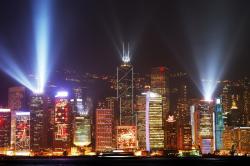
Compared to detached single-family dwellings, living in high-density communities can introduce various sensory disruptions from the surrounding environment. Sensory stimuli such as sound, smell, and light can impact health by affecting one’s quality of sleep, physical health, mental health, and even work performance as more people are working from home.58-62 Light and sound pollution such as ALAN or loud sounds from traffic or businesses can highly impact an individual’s quality of life. Recent research has assessed the impact of artificial light exposure on some cancer risks such as prostate and breast cancer, although no definite correlation has been established.63,64
The literature recommends the following as potential interventions to reduce exposure to environmental stimuli. These recommendations are aimed at builders and municipal governments, as they are often not within an individual’s control.
A. Using policies to reduce vehicular traffic
In high-density communities, reducing nearby traffic is key to reducing unnecessary sound, light, and olfactory stimuli. This can be done by reducing vehicle throughfare, particularly that of heavy vehicles that have the greatest impact on noise pollution and traffic related air pollution.65 Main road bypasses that redirect commercial traffic away from residential spaces may be helpful but can be challenging to implement due to the large scale of infrastructure planning required in an urban environment. Policies or bylaws that restrict hours of throughfare, limit the use of engine brakes or impose speed limit reductions can also help reduce undesired sensory exposure.66 Avoiding building new residential developments near highways, railways, and high traffic sites such as sports arenas is also key to reducing sensory pollution.67 Replacing individual motor vehicle transportation with shared public or active transportation, such as walking or biking can also reduce traffic related sensory pollution.68 Many major urban centres globally have made a move towards no-emission or ultra low emission zones to reduce traffic density, air pollution, and noise in the urban core.69,70
B. Infrastructure and design of the building
To reduce sound pollution, measures can be taken within the living unit. This can include using appropriate soundproofing material for the walls (e.g., voided slab systems) and ceilings and selecting carpets or other soft floor finishings. Installing acoustic ventilation windows can help optimize noise and thermal comfort simultaneously.71,72 The building itself can be carefully designed such that sound shadow zones are created to reduce sound pollution.73 Staggering the position of neighboring building units or balconies can increase privacy and reduce noise. Applying NBS such as vertical greenery along the building walls, tall tree canopies, vegetative screens, or vegetative buffers (e.g., road cuttings, naturally sloped terrains, earth berms) can also reduce unwanted sound and light.74-76 Vegetative screens and buffers may only provide minimal noise mitigation if they are not dense enough. Ensuring windows from units have access to greenery within their view can help reduce the unpleasantness of undesired stimuli such as noise.77 Applying blackout curtains and encouraging light-use reduction programs can reduce unwanted light.
C. Using appropriate city lighting
Local community or municipal considerations should include reducing ALAN, which can interfere with the circadian rhythm of humans. Considerations can include adjusting the timing of lighting, which streets to light up, to what extent, and the type of lighting needed—ideally following the principle of “more light when needed and less light when possible.”78 Other considerations include directing lights downward, orienting lights at the target (e.g., roads or pathways, not at private properties or windows), and using less impacting and warmer lights.79 It is important to balance the reduction of excessive ALAN with the benefits of ALAN such as safety of pedestrians.80,81 Different jurisdictions have varying requirements for minimum and maximum light luminance (often denoted in units of lux or foot-candles) to maintain safety while reducing light pollution. Examples of typical luminance levels include 200–3,000 lux in sports fields, 320 Lux in offices, 3–16 lux on roadways, and 2–10 lux on sidewalks.82
D. Building rules — tenant rights and agreements
The type of high-density housing may vary in how policies are implemented or enforced. The primary difference is renter-occupied versus owner-occupied residential buildings. In renter-occupied buildings, it is possible to incorporate certain policies into rental agreements. Similarly, renters are protected by tenant rights, as outlined by local legislation. In condominiums, there are often strata councils that have rules and regulations, and ways to engage with its residents. They often have legal power to hold residents of the building accountable. This varies based on local regulations. In HDL, given the concentration and diversity of individuals living in proximity, it is crucial to maintain a safe, respectful, and positive living community. The building or condominium management can implement rules and policies such as noise restrictions and no-smoking policies, to help achieve better health as a community.
Theme 3: Designing HDL communities that encourage active living for all
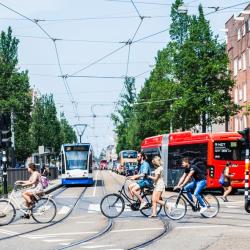
Active living enhances physical and mental health, and utilization of active transportation is a key driver of an active lifestyle.83 Promoting active transportation such as walking and cycling requires moving away from car-centric models toward accessible and innovative alternatives of transportation. This is especially important in HDL communities, where many people travel within compact areas. Neighbourhood design is critical for enabling this shift. The HBE Toolkit emphasizes mixed land use to ensure essentials like healthcare, groceries, and recreation are within walking or cycling distance.16 Communities built for active living have many positive downstream effects such as traffic calming, reducing environmental stressors, and climate resilience.
Key recommendations to promote active living include:
A. Incorporating shared transportation
Recent innovations, including shared scooters and bikes, can complement traditional shared transportation like buses, micro-transit (also known as demand response transit), and light rail.84 These modes of shared transportation allow for short journeys through the community and the ability to link to transit options for further destinations. Shared transportation can fill the gaps often seen in the “first or last mile” of a trip.85 The combined use of new and conventional methods of shared transportation may lower the barrier of use when reaching far destinations. Shared transportation can also reduce financial burden of vehicle ownership.86 However, regulations and designated pick-up and drop-off areas for these shared tools need to be in place. This is needed to reduce obstructions or hazards when shared devices like scooters or electric bikes are placed haphazardly after use in public walkways.86
B. Buildings designed for active living
Buildings can promote active living with attractive amenities that encourage exploration around the building combined with physical activity space and programming. Designing visible staircases at the entrance of the building, before elevators, makes them more likely to be used by residents.87,88 However, to ensure accessibility to those who cannot use stairs for instance, safe and attractive ramps should be readily available. There may be practical challenges of applying such interventions for a multi-story residential building, and innovative solutions are still needed to address this issue. For children, it is important to have indoor and outdoors spaces to play and explore, as these are core components to their active living.89 For the elderly, it is important to have spaces such as fitness centres to play sports of their choosing or do their exercises in a safe and controlled environment.90,91 Providing access to secure and accessible storage of active transportation equipment such as bike or scooter lockers would further support active transportation.92
C. Safe and attractive active transportation
There is a perception that active transportation is more dangerous than motor vehicle-based transportation, and this perception can act as a deterrent. To help parents feel safe to let their children use active transportation to get to school, there are ways to increase perceived safety.88 Increasing the number of trees that line the street, creating wider or more protected bike lanes, and increasing distance from traffic or wider footpaths can all increase real and perceived safety. Increasing perceived safety can increase the continued use of active transportation later in children’s lives.93 Creating urban trails (e.g., greenways) and increasing the number of possible entrances with well-designed location and proximity increases the use of these trails.94,95 Climate-sensitive street design, such as using tree canopies or shade sails, improves ventilation and provides shade.96,97 Placing barriers along the streets also provides shelter against precipitation and wind. Community-led programs such as walking school buses can help facilitate safe and active transport to school.98 Integration of active transportation methods with pre-existing public transportation may contribute to the uptake of active transportation.99
D. Reducing “car-centric” features
In Canadian cities such as Toronto and Edmonton, new policies are intended to actively discourage reliance on vehicles.100,101 An example is the removal of the parking-space minimum requirement of new builds. This may increase affordability of housing by way of reducing cost of building parkades into the building, and also disincentivizes driving and reliance on cars.102 Another example is the implementation of transit-oriented development areas. This policy encourages higher density building near transit hubs to create compact communities with essential amenities and encourages use of transit in conjunction with active transportation.103,104 Adapting strategies of innovative transport planning from other countries such as the method of road dieting, which reduces or narrows lanes, can improve safety of people using active transportation and reduce traffic volume.105 Designated low-emission zones have also served as a way of disincentivizing higher emission vehicles entering the area by either charging a fee or banning such vehicles from entering altogether.69,70
E. Complete communities
Having access to essential amenities within a walkable distance (typically 500 meters or 15–20 minutes in an urban area) makes active transportation even more practical.16,106 These amenities can include employment, education, healthy and affordable food sources, healthcare, transportation, recreation, and green and blue spaces. Residents in these communities have access to a variety of housing options that meet their needs.106 Each complete community is unique and may look different across regions depending on the characteristics of the municipality. Benefits of complete communities include increased housing and transportation options, increased walkability and equity, greater efficiency with infrastructure, environmental sustainability, and reduced urban sprawl.106
Theme 4: Fostering social connectivity

The potential for positive social connectivity is a key feature of HDL. By the nature of HDL, there are many opportunities for people to be gathered in common spaces. This offers opportunity for residents and community members to build meaningful and supportive relationships with each other. Social connection with one’s neighbours has been demonstrated to be foundational to mental and physical well-being and improves health outcomes during an emergency event.90,107 The design of the HDL living structures is crucial to fostering these connections, which can in turn improve resident perceived safety, and physical safety in emergency situations. Multi-level interventions in HDL are key to the effectiveness of building social connectivity because social behaviours are shaped by individual, cultural, and structural environments.108 Key recommendations to promote fostering social connectivity include:
A. Interactive common areas
Creative and attractive design of common areas, which can be enhanced by strong programming and management, will encourage the use and enjoyment of these spaces. These spaces can serve as areas to meet and build social connections with fellow residents. Some examples include placing mailboxes near the front of the building and placing sitting nooks along long corridors, walkways, or courtyards.90,91 Turning purely functional spaces like laundry rooms into more attractive spaces by choosing to use glass doors or walls, or putting a reading or seating area nearby, can make the space more conducive to conversation and relaxation.
B. Comfortable, vibrant, and flexible functional spaces
Transforming unused spaces into welcoming and purposeful spaces also contributes to socialization within the building. Converting the rooftop into a patio, barbeque space, lounging area, or community garden provides space to socialize and engage in communal activities like cooking and growing food together.90,91,109 Smaller unused spaces can be turned into bike repair stations or dog park areas, which are functional and conducive to socialization. Providing pet-friendly zones and helpful features such as storage (e.g., for bikes or scooters, gardening, or woodworking supplies) will support residents to participate in active transportation and hobbies in the community. To ensure the comfort and safety of residents using these spaces, consider air quality, ventilation, noise, and shade measures as previously discussed.
C. Engaging the residents
Providing opportunities for residents to actively be part of the decision-making and management process is key to understanding the residents’ wants and needs. This can range from collecting feedback at meetings, having an in-house building manager or resident community connector, running programming for residents created by residents, or designating keyholder residents to open/close building facilities.99 Engaging residents in social facilitation and supported socialization such as planning group-based activities and community gatherings also provide opportunities for residents to connect.108
D. Connecting to the broader community
Interfaces with the community outside of the residential building can occur in settings such as schools, libraries, community centres, play parks, or town squares.110 Building HDLs close to such amenities or ensuring that there is easy access to these amenities, promotes social connection, improving neighborhood relationships and satisfaction. Designing building edges with well-designed transition zones and building entrances, can help to meaningfully interface the building with its surroundings.90
Equity considerations
Equity must be central to planning healthy high-density living, ensuring that all residents benefit from supportive environments. This means recognizing and addressing not just disparities in access to housing, green space, and services, but also the root causes of inequity—such as structural racism and systems of oppression—that shape who becomes marginalized or vulnerable in the first place.
Human vulnerability to climate change is shaped by sensitivity, exposure, and adaptive capacity.22 Applying an equity lens helps decision-makers recognize that vulnerability is unequally distributed, often affecting communities marginalized by systemic inequities. These populations are more likely to live in environments lacking green and blue spaces, missing out on critical health and environmental benefits.111,112 Effective interventions require awareness of these disparities and a commitment to act, to avoid reinforcing or worsening existing inequities.
It is essential to recognize the financial burden that implementation of HDL strategies can place on residents, particularly renters. Costs for measures like blackout curtains, tinted windows, or air conditioning often fall on individuals. Equitable policies must address these barriers. For example, BC Hydro prioritizes free air conditioning units for low-income and medically vulnerable residents, and public cooling centres provide no-cost relief.113 However, unintended consequences—like higher housing costs from upgraded building materials, electricity bills to run air conditioning, or expensive active or shared transport options—can worsen affordability and inequity if not carefully managed.
To ensure accessibility, interventions must meet the diverse needs of all community members. Much of the built environment reflects able-bodied norms, often overlooking those with disabilities or limited access to technology or payment methods. Designs should consider these barriers, recognizing that universal accessibility may not be fully achievable and that conflicting needs may arise.114 Engaging communities in prioritizing needs is key. For example, promoting bike and scooter use must account for varying digital literacy and payment access. HDL communities should also support multigenerational interactions and aging in place in a way that promotes dignity, autonomy, safety, belonging, and equity.
Incorporating an equity lens into each theme above provides the opportunity to anticipate and bring awareness to actions that may lead to unintended consequences, such as exacerbating inequities. Increasing diverse representation and engagement of the target population in research and decision-making can provide opportunities to ensure equitable outcomes. It is equally important for public health professionals to leverage their knowledge and positions as advocates for these populations by offering their expertise on equity and social determinants of health. However, meeting all the diverse needs of the community and developing supportive policies can be challenging and may be difficult to attain.
Opportunities, challenges, and gaps
From the review of existing literature and expert consultations, it is evident that there are many factors to consider when developing HDL communities. As described herein, there are many ways to promote and protect health in HDL communities but also challenges to implement them. There were also gaps noted in the literature and expert consultations, where further exploration is required.
Basic definitions and data
The concept of HDL is inconsistently defined across the literature sources, and descriptions have varied widely based upon local context.6 There is limited data on the proportion of Canadians who live in high density settings, and this may be due to the varying definitions across regions. Similarly, there were no studies found in this literature review that correlated health outcomes (e.g., well-being or chronic disease) with the type of housing density that an individual resides in. There may be opportunities to create a unified definition of HDL that can support collecting health status indicators on HDL residents.
Adaptation to local context
Many studies on high-density living (HDL) come from Europe and Asia, where dense urban environments are more established. To apply these findings effectively in Canada, local adaptation is essential. For example, implementing nature-based solutions (NBS) like green roofs or street trees must account for regional climate, native species, ecological goals (e.g., wildfire mitigation), and physical constraints such as narrow streets or hilly terrain.44 Existing infrastructure, policies, and regulations can also influence feasibility—particularly when retrofitting cooling or ventilation systems in older HDL communities.
Public perception: awareness and uptake
Public education is one of the most important but challenging tasks of public health. In HDL literature, it is found that individuals’ values, awareness, and understanding of the benefits of greenspace affects the perceived benefits of these spaces when implemented.115 Engaging the population in the street tree design process and educating the public about the basics of tree growth and benefits of trees may be important opportunities to generate more public acceptance, satisfaction, and ownership regarding these spaces. Similarly, encouraging use of active transportation requires public awareness and education about what is available to them and how to use these transportation tools. As part of the City of Vancouver’s Active Transportation Promotion & Enabling Plan, cycling education and training programs have become key pilot projects to encourage use and uptake.116
Affordable housing
There is recognition of the need for adequate and affordable housing in Canada.112,113 Stable and affordable housing is an essential pillar of healthy HDL for all, especially for the aging population to support healthy aging in place.91 The aging population often have a fixed income and limited assets, while having increased needs for activities of daily life and social support and an increased risk of medical complexity.117 People experiencing poverty are often also living on fixed low-income, which makes meeting daily needs a challenge. This challenge requires systemic-level policies such as mixed income housing and rental control and proactively planning for non-market or social housing withing HDL communities.
HDL is multidisciplinary
Many of the recommendations above depend on policies, bylaws, and resources to implement. Public health professionals often lack jurisdiction over planning and urban design and are inconsistently included in related decision-making. However, public health can play a critical role by advocating for health-promoting design and developing tools like HBE checklists. While zoning and building codes ultimately shape development, public health can proactively influence HDL by building strong, ongoing relationships with developers and municipal planners. Challenges to public health involvement include competing priorities, limited resources, and perceptions that processes like health impact assessments (HIAs) may delay housing development. Since HIAs are not mandated across Canada, this tension is especially relevant amid urgent housing demands. A collaborative, inclusive approach—engaging ecologists, environmental scientists, developers, non-profits, and the public—is key to responsible HDL design.
A balanced approach
There is a need to balance potential positive or negative health effects that may result from the above recommendations. For mixed land use, which may include commercial areas, there is a need to balance commercial needs while maintaining low neighborhood noise and traffic. Similarly, a high concentration of residents increases sociability but also may lead to social conflicts and concerns of safety if poorly managed. Neighbourly noise disturbance is one example.118 Active transportation provides many health benefits, but in order to encourage uptake and maximize health benefits, there is a need to combat the fear of safety such that cyclists feeling safe around cars on the road and being confident that their bikes are not stolen.96 Protected active transportation infrastructure is an essential way to increase road share. Another example is the creation of shared amenity spaces. This may not be financially appealing for developers as this becomes “unrentable” space that requires maintenance by the building owner or operator, and as a result could lead to higher strata or rent costs.119
Maintenance
Although many interventions require upfront investment, there is also long-term maintenance required. Green features such as green roofs or walls require diligent engineering and ongoing maintenance. Gaps exist in the cost-benefit analysis related to these building features. Additionally, to effectively elicit change to the microclimate of the community, there will likely need to be involvement of most buildings to truly achieve cooling potential. Unifying the local community to create a multiplicative effect may be challenging.
Aging in Place
A notable gap in current HDL literature and practice is the limited focus on the aging population and how high-density environments can support Aging in Place.120,121 As the proportion of seniors continues to grow, especially in urban areas, there is a critical opportunity to design HDL that supports older adults to age with dignity, autonomy, and community connection.119 Currently, many high-rise and multi-unit dwellings are not built with older adults in mind—lacking features such as barrier-free design, accessible communal areas, or in-building health services. At the same time, these settings can present unique opportunities: proximity to services, shared amenities that reduce social isolation, and economies of scale for delivering care and programming. This represents both a challenge and an opportunity to reimagine urban density as not only youth-oriented and economically efficient, but also as a setting that promotes healthy aging and social inclusion.
Conclusion
As populations grow and cities expand upward rather than outward, the phenomenon of HDL remains an inevitable direction for urban growth in Canada. Recognizing how the design of these environments can profoundly influence public health, equity, and climate adaptation and resilience is more important than ever. Healthy high-density communities can be achieved through considerate and proactive planning with multi-sectoral collaboration, integrating access to nature, active living, social connectedness, and equitable access to resources. While four key themes were discussed separately in this review, it is important that these themes are not considered in isolation of one another. The awareness of the key environmental factors that shape a healthy, supportive, and sustainable living environment to live, work, grow and play in, is key to promoting healthy living for all.
Environmental public health professionals have an essential role to play in shaping these built environments through collaborating with urban planners and policymakers to embed health considerations into every stage of urban design. Future directions that fulfill critical knowledge gaps, harmonize definitions of HDL communities, and strengthen research evidence in Canadian contexts will contribute to the creation of compact, connected, and climate-resilient communities that support the well-being of the residents.
Acknowledgements
We acknowledge the valued input of reviewers for their knowledge and feedback in the production of this document and for those who assisted in the review, including Penelope Kuhn, Healthy Built Environment Coordinator, Nova Scotia Health; Ben Lemphers, Healthy Built Environment Coordinator, Nova Scotia Health; Kim Perrotta, Executive Director, Canadian Health Association for Sustainability and Equity (CHASE); Laura Chow, Senior Planner, Vancouver Coastal Health; Lydia Ma, Manager, NCCEH; Tina Chen, Environmental Health and Knowledge Translation Scientist, NCCEH; Juliette O’Keeffe, Senior Scientist, NCCEH; and Michele Wiens, Information Specialist, NCCEH.
Appendix A: Search terms
The following search terms and Boolean operator combinations were used in this rapid literature review:
"built environment" OR "urban city" OR "urban cities" OR municipalities OR municipality OR neighbourhood OR neighborhood OR downtown OR core OR housing”
AND
high-density OR "high density" OR "higher density" OR "densely populated" OR density OR densification OR densify OR gentrification OR compact OR growth OR urbanization OR urbanisation OR "urban design" OR "healthy design" OR "smart city" OR "15-minute city" OR 20-minute AND neighbourhood OR congestion OR apartments OR condominiums OR condos OR multiplex OR duplex OR housing OR "high rise"
AND
health OR illness OR cognitive OR cognition OR perceive OR perception OR safety OR fitness OR active OR psychological OR mental OR satisfaction OR wellbeing OR well-being OR happy OR happiness OR polarization OR polarisation OR socialization OR socialisation OR social OR diabetes OR cardiovascular OR physical OR chronic OR impact OR evaluate OR evaluation OR improvement OR improve OR inequity OR inequities OR equity OR justice OR "quality of life" OR affordability
AND
"air quality" OR "smog" OR "air pollution" OR "ventilation" OR breath* OR dust*
OR
"Thermoregulation" OR temperature* OR heat* OR "heat wave" OR "heat dome"
OR
sound* OR noise*
OR
"outdoor light*" OR "indoor light*" OR "light pollution"
OR
green AND space OR greenery OR trees OR canopy OR parks OR green AND belt OR greenway OR urban AND forest
OR
“Blue space” OR “blue infrastructure” OR waterbod*
References
- Statistics Canada. Canada’s population reaches 40 million. Ottawa, ON: Government of Canada; 2023. Available from: https://www.statcan.gc.ca/en/subjects-start/population_and_demography/40-million.
- Statistics Canada. Canada’s fastest growing and decreasing municipalities from 2016 to 2021. Ottawa, ON: Government of Canada; 2022. Available from: https://www12.statcan.gc.ca/census-recensement/2021/as-sa/98-200-x/2021001/98-200-x2021001-eng.cfm.
- Halifax Partnership. Halifax index 2023. Halifax, NS: Halifax Partnership; 2023. Available from: https://halifaxpartnership.com/research-strategy/halifax-index-2023/people/.
- Government of Nova Scotia. Nova Scotia annual population estimates. Halifax, NS: Economics and Statistics, Nova Scotia Government 2022. Available from: https://novascotia.ca/finance/statistics/news.asp?id=18195.
- Pârvulescu A, Chen W, Kavaslar C. New housing supply: urban sprawl and densification. Ottawa, ON: Statistics Canada; 2024. Available from: https://www150.statcan.gc.ca/n1/pub/46-28-0001/2024001/article/00003-eng.htm.
- Connon ILC, Prior JH, Kent JL, Thomas L, Thompson S, McIntyre E, et al. Healthy higher density living: a review of the literature. Ultimo, NSW: University of Technology Sydney; 2018. Available from: https://www.uts.edu.au/sites/default/files/2019-03/Healthy.
- Haigh F, Ng Chok H, Harris P. Housing density and health: a review of the literature and health impact assessments. University of New South Wales, Sydney Australia: Centre for Health Equity Training, Research and Evaluation; 2011.
- Easthope H, Judd S. Living well in greater density. Sydney, Australia: University of New South Wales; 2010. Available from: https://cityfutures.be.unsw.edu.au/research/projects/living-well-in-greater-density/.
- Metropolitan Council. Local planning handbook. St. Paul, MN: Metropolitan Council; 2015. Available from: https://handbook.metrocouncil.org/.
- City of Coquitlam. Land use, zoning and density. Coquitlam, BC: City of Coquitlam; 2019. Available from: https://www.coquitlam.ca/DocumentCenter/View/4150/Land-Use-Zoning-and-Density-PDF.
- City of Calgary. City of Calgary Land Use Bylaw 1P2007 Part 6: multi-residential districts. Calgary, AB: City of Calgary; 2011. Available from: https://www.calgary.ca/planning/land-use/online-land-use-bylaw.html?part=6&div=9.
- City of Guelph. The City of Guelp zoning by-law. Guelph, ON: City of Guelph; 2023. Available from: https://guelph.ca/wp-content/uploads/Guelph-Zoning-Bylaw-20790.pdf.
- World Health Organization. WHO Housing and health guidelines. Geneva, Switzerland: WHO; 2018. Available from: https://www.who.int/publications/i/item/9789241550376.
- Chow A. Time to think 15-minute cities for health and equity. Vancouver, BC: National Collaborating Centre for Environmental Health; 2022 Feb 14. Available from: https://ncceh.ca/resources/evidence-briefs/time-think-15-minute-cities-health-and-equity.
- Smart Growth America. What is smart growth? Washington, DC: Smart Growth America; n.d. Available from: https://smartgrowthamerica.org/what-is-smart-growth/.
- BC Centre for Disease Control. Healthy built environment linkages toolkit: making the links between design, planning and health, version 2.0. Vancouver, BC: Provincial Health Services Authority; 2018. Available from: https://www.bccdc.ca/health-professionals/professional-resources/healthy-built-environment-linkages-toolkit#The--toolkit.
- Harvard T.H. Chan School of Public Health. The 9 foundations of a healthy building. Boston, MA: Harvard University; 2017. Available from: https://healthybuildings.hsph.harvard.edu/about/9-foundations-of-a-healthy-building/.
- Environmental Protection Agency. Urbanization - Overview. Washington, DC: US EPA; 2025. Available from: https://www.epa.gov/caddis/urbanization-overview.
- District of Squamish. Density and public health. Squamish, BC: District of Squamish; n.d. Available from: https://squamish.ca/climate-action/local-action/community-planning/density-and-public-health/.
- National Library of Medicine. Environmental determinants of health. Bethesda, MD: NLM; 2025. Available from: https://www.nnlm.gov/initiatives/edh.
- Paltriguera L, Beamud F, Müller M, Pavlou P, Tertre L, Van den bos S, et al. Environmental determinants of health, including those caused by climate change. Brussels, Belgium: European Parliament; 2024. Available from: https://www.europarl.europa.eu/thinktank/en/document/IPOL_STU(2024)754209.
- Blue R, Agar B. Healthy buildings in a changing climate. Calgary, AB: The Pembina Institute; 2024. Available from: https://www.pembina.org/sites/default/files/2024-07/Healthy_Buildings_in_a_Changing_Climate.pdf.
- Climate Atlas of Canada. Urban heat island effect. Winnipeg, MB: Prairie Climate Centre; n.d. Available from: https://climateatlas.ca/urban-heat-island-effect.
- Iamtrakul P, Padon A, Chayphong S. Quantifying the impact of urban growth on urban surface heat islands in the Bangkok Metropolitan region, Thailand. Atmosphere. 2024;15(1):100. Available from: https://doi.org/10.3390/atmos15010100.
- Erlwein S, Pauleit S. Trade-offs between urban green space and densification: balancing outdoor thermal comfort, mobility, and housing demand. Urban Plan. 2021;6(1):5–19. Available from: https://doi.org/10.17645/up.v6i1.3481.
- Canadian Climate Institute. Extreme heat in Canada. Ottawa, ON: Canadian Climate Institute; 2023. Available from: https://climateinstitute.ca/reports/extreme-heat-in-canada/.
- Elnabawi MH, Saber E, Bande L. Passive building energy saving: building envelope retrofitting measures to reduce cooling requirements for a residential building in an arid climate. Sustain. 2024;16(2):626. Available from: https://doi.org/10.3390/su16020626.
- Government of BC. Province taking action to help people stay safe, cool. Victoria, BC: Government of BC; 2024 May 31. Available from: https://news.gov.bc.ca/releases/2024HLTH0028-000843.
- International Energy Agency. The future of heat pumps. Paris, France: IEA; 2022. Available from: https://www.iea.org/reports/the-future-of-heat-pumps.
- BC Hydro. Heat pumps. Vancouver, BC: BC Hydro; 2025. Available from: https://www.bchydro.com/powersmart/residential/tips-technologies/heat-pumps.html.
- Canadian Climate Institute. Heat pumps pay off. Ottawa, ON: Canadian Climate Institute; 2023. Available from: https://climateinstitute.ca/wp-content/uploads/2023/09/Heat-Pumps-Pay-Off-Unlocking-lower-cost-heating-and-cooling-in-Canada-Canadian-Climate-Institute.pdf.
- Government of BC. Protection from overheating in dwelling units. Victoria, BC: Building and Safety Standards Branch, Government of BC; 2024. Available from: https://www2.gov.bc.ca/assets/gov/farming-natural-resources-and-industry/construction-industry/building-codes-and-standards/bulletins/2024-code/b24-08_overheating.pdf.
- Government of BC. New code will make buildings safer, more accessible and resilient to climate change. Victoria, BC: Housing and Municipal Affairs, Government of BC; 2023 Dec 5. Available from: https://news.gov.bc.ca/releases/2023HOUS0167-001923#.
- Yoon L. Right to cool: transforming protection for priority populations from extreme temperatures. Vancouver, BC: National Collaborating Centre for Environmental Health; 2024. Available from: https://ncceh.ca/sites/default/files/2024-06/20240530%20NCCEH%20Presentation%20-%20Liv%20Yoon.pdf.
- Lo AY, Jim CY, Cheung PK, Wong GKL, Cheung LTO. Space poverty driving heat stress vulnerability and the adaptive strategy of visiting urban parks. Cities. 2022;127:103740. Available from: https://doi.org/10.1016/j.cities.2022.103740.
- Wai KM, Xiao L, Tan TZ. Improvement of the outdoor thermal comfort by water spraying in a high-density urban environment under the influence of a future (2050) climate. Sustain. 2021;13(14):7811. Available from: https://doi.org/10.3390/su13147811.
- Banerjee S, Pek RXY, Yik SK, Ching GN, Ho XT, Dzyuban Y, et al. Assessing impact of urban densification on outdoor microclimate and thermal comfort using ENVI-met simulations for Combined Spatial-Climatic Design (CSCD) approach. Sustain Cities Soc. 2024;105. Available from: https://doi.org/10.1016/j.scs.2024.105302.
- O'Keeffe J. From cooling towers to splash pads – Staying safe while keeping cool. Vancouver, BC: National Collaborating Centre for Environmental Health; 2025. Available from: https://ncceh.ca/resources/blog/cooling-towers-splash-pads-staying-safe-while-keeping-cool.
- Guo J, Xia D, Zhang L. Future indoor overheating risk for urban village housing in subtropical region of China under long-term changing climate. Build Environ. 2023;246:110978. Available from: https://doi.org/10.1016/j.buildenv.2023.110978.
- Zheng Y, Keeffe G, Mariotti J. Nature-based solutions for cooling in high-density neighbourhoods in Shenzhen: a case study of Baishizhou. Sustain. 2023;15(6). Available from: https://doi.org/10.3390/su15065509.
- Adly MA, Mahmoud H, Galal OM. The impact of densification and orientation manipulation on outdoor thermal comfort at social housing in arid regions: a sensitivity analysis. HBRC Journal. 2023 2023;19(1):523-41. Available from: https://doi.org/10.1080/16874048.2023.2287776.
- Yang Y, Xu Y, Duan Y, Zhang S, Zhang Y, Xie Y. How can trees protect us from air pollution and urban heat? Associations and pathways at the neighborhood scale. Landsc Urban Plan. 2023;236:104779. Available from: https://doi.org/10.1016/j.landurbplan.2023.104779.
- Morakinyo TE, Lai A, Lau KK-L, Ng E. Thermal benefits of vertical greening in a high-density city: case study of Hong Kong. Urban For Urban Green. 2019;37:42-55. Available from: https://doi.org/10.1016/j.ufug.2017.11.010.
- Feng L, Yang S, Zhou Y, Shuai L. Exploring the effects of the spatial arrangement and leaf area density of trees on building wall temperature. Build Environ. 2021;205:108295. Available from: https://www.sciencedirect.com/science/article/pii/S0360132321006946.
- Corcoran BN, T.; Herrington, S.; Li, W.; Liu, Q.; Shabazi, T.; Yeung, O. Shade lookbook: A guide to designing sun safety: BC Cancer; 2024. Available from: http://www.bccancer.bc.ca/prevent/Documents/ShadeLookbook_May2024.pdf.
- Maneechote W, Liu J, Jareemit D. Cool facades and pavements: mitigating heat stress and improving urban thermal conditions in affordable housing project – a case study in Thailand. Futur Cities Environ. 2024;10:1–25. Available from: https://doi.org/10.5334/fce.219.
- McDonald RI, Aronson MFJ, Beatley T, Beller E, Bazo M, Grossinger R, et al. Denser and greener cities: green interventions to achieve both urban density and nature. People Nat. 2023;5(1):84–102. Available from: https://doi.org/10.1002/pan3.10423.
- WHO, Regional Office for Europe. Green and blue spaces and mental health. Copenhagen, Denmark: WHO; 2021. Available from: https://apps.who.int/iris/bitstream/handle/10665/342931/9789289055666-eng.pdf.
- Wolf KL, Lam ST, McKeen JK, Richardson GRA, van den Bosch M, Bardekjian AC. Urban trees and human health: A scoping review. Int J Environ Res Public Health. 2020 Jun 18;17(12):4371. Available from: https://doi.org/10.3390/ijerph17124371
- Ma T, Chen T. Outdoor ventilation evaluation and optimization based on spatial morphology analysis in Macau. Urban Clim. 2022;46:101335. Available from: https://doi.org/10.1016/j.uclim.2022.101335.
- World Health Organization. Urban green spaces and health. Geneva, Switzerland: WHO; 2016. Available from: https://www.who.int/europe/publications/i/item/WHO-EURO-2016-3352-43111-60341.
- Mukim M, Roberts M, eds. Thriving: making cities green, resilient, and inclusive in a changing climate. Washington, DC: World Bank Group; 2023. Available from: https://hdl.handle.net/10986/38295.
- Better Buildings Partnership. Maintaining and monitoring green infrastructure. London, UK: Better Buildings Partnership; 2025. Available from: https://www.betterbuildingspartnership.co.uk/responsible-property-management-toolkit/biodiversity/gn-123-maintaining-and-monitoring-green.
- Lau C. From creation to care: the need for ongoing and additional funding to operate and maintain parks. Ashburn, VA: National Recreation and Park Association; 2024. Available from: https://www.nrpa.org/blog/from-creation-to-care-the-need-for-ongoing-and-additional-funding-to-operate-and-maintain-parks/.
- Gilabert J, Ventura S, Segura R, Martilli A, Badia A, Llasat C, et al. Abating heat waves in a coastal Mediterranean city: what can cool roofs and vegetation contribute? Urban Clim. 2021;37:100863. Available from: https://doi.org/10.1016/j.uclim.2021.100863.
- Shum MWM. Health effects of large LED screens on local residents. Vancouver, BC: National Collaborating Centre for Environmental Health; 2013. Available from: https://ncceh.ca/resources/evidence-briefs/health-effects-large-led-screens-local-residents.
- City of Surrey. Biodiversity design guidelines. Light abatement. Surrey, BC: City of Surrey; 2021. Available from: https://www.surrey.ca/sites/default/files/media/documents/BiodiversityDesignGuidelines_LightNoise.pdf.
- Shi J, Huang J, Guo M, Tian L, Wang J, Wong T, et al. Contributions of residential traffic noise to depression and mental wellbeing in Hong Kong: a prospective cohort study. Environ Pollut. 2023;338:122641. Available from: https://doi.org/10.1016/j.envpol.2023.122641.
- Cerin E, Chan YK, Symmons M, Soloveve M, Martino E, Shaw J, et al. Associations of the neighbourhood built and natural environment with cardiometabolic health indicators: a cross-sectional analysis of environmental moderators and behavioural mediators. Environ Res. 2024;240(Pt 2):117524. Available from: https://doi.org/10.1016/j.envres.2023.117524.
- Müller L, Forssén J, Kropp W. Traffic noise at moderate levels affects cognitive performance: do distance-induced temporal changes matter? Int J Environ Res Public Health. 2023;20(5):3798. Available from: https://doi.org/10.3390/ijerph20053798.
- Tortorella A, Menculini G, Moretti P. New determinants of mental health: the role of noise pollution. A narrative review. Int Rev Psychiatry. 2022;34(7-8):783–96. Available from: https://doi.org/10.1080/09540261.2022.2095200.
- Andargie MS, Touchie M, O’Brien W. Case study: A survey of perceived noise in Canadian multi-unit residential buildings to study long-term implications for widespread teleworking. Build Acoust. 2021;28(4):443-60. Available from: https://doi.org/10.1177/1351010X21993742.
- Sweeney MR, Nichols HB, Jones RR, Olshan AF, Keil AP, Engel LS, et al. Light at night and the risk of breast cancer: findings from the Sister study. Env Int. 2022;169:107495. Available from: https://doi.org/10.1016/j.envint.2022.107495.
- Chowdhury-Paulino IM, Hart JE, James P, Iyer HS, Wilt GE, Booker BD, et al. Association between outdoor light at night and prostate cancer in the health professionals follow-up study. Cancer Epidemiol Biomarkers Prev. 2023;32(10):1444-50. Available from: https://doi.org/10.1158/1055-9965.EPI-23-0208.
- Cai C, Mak CM, He X. Analysis of urban road traffic noise exposure of residential buildings in hong kong over the past decade. Noise Health. 2019;21(101):142–54. Available from: https://pubmed.ncbi.nlm.nih.gov/32719301/.
- TranBC. The sound and fury: engine brake noise and how to stop it. Victoria, BC: Province of BC; 2022. Available from: https://www.tranbc.ca/2022/05/24/the-sound-and-fury-engine-brake-noise-and-how-to-stop-it/.
- Yildirim Y, Jones Allen D, Albright A. The relationship between sound and amenities of transit-oriented developments. Int J Environ Res Public Health. 2019;16(13):2413. Available from: https://doi.org/10.3390/ijerph16132413.
- Flanagan E, Malmqvist E, Oudin A, Sunde Persson K, Alkan Ohlsson J, Mattisson K. Health impact assessment of road traffic noise exposure based on different densification scenarios in Malmö, Sweden. Environ Int. 2023;174:107867. Available from: https://doi.org/10.1016/j.envint.2023.107867.
- The Pembina Institute. Reducing truck emissions in Montreal: guiding principles and a policy toolbox for low-carbon urban freight. Calgary, AB: The Pembina Institute; 2021. Available from: https://www.pembina.org/pub/reducing-truck-emissions-montreal.
- Cui H, Gode P, Wappelhorst S. A global overview of zero-emission zones in cities and their development progress. Washington, DC: International Council on Clean Transportation; 2021. Available from: https://theicct.org/publication/a-global-overview-of-zero-emission-zones-in-cities-and-their-development-progress/.
- Walsh M, Arthurson K, Levin I. Obtrusive intimacy in multi-owned housing: exploring the impacts on residents’ health and wellbeing. Housing, Theory Soc. 2021;38(5):614–30. Available from: https://doi.org/10.1080/14036096.2021.1902386.
- Na S, Paik I, Yun S, Truong HC, Roh YS. Evaluation of the floor impact sound insulation performance of a voided slab system applied to a high-rise commercial residential-complex building. Int J Concr Struct Mater. 2019;13(3). Available from: https://doi.org/10.1186/s40069-018-0315-y.
- Liu J, Huang YJ, Chen Z, Hong XC. Multi-scale effects of landscape pattern on soundscape perception in residential green spaces. Forests. 2023;14(12). Available from: https://doi.org/10.3390/f14122323.
- Sung CY. Examining the effects of vertical outdoor built environment characteristics on indoor light pollution. Build Environ. 2022;210:108724. Available from: https://doi.org/10.1016/j.buildenv.2021.108724.
- Mayne SL, Morales KH, Williamson AA, Grant S, Fiks A, Basner M, et al. Associations of the residential built environment with adolescent sleep outcomes. Sleep. 2021;44(6). Available from: https://doi.org/10.1093/sleep/zsaa276.
- Li H, Xie H. Noise exposure of the residential areas close to urban expressways in a high-rise mountainous city. Environ Plan B Urban Anal City Sci. 2021;48(6):1414–29. Available from: https://doi.org/10.1177/23998083211015249.
- Hasegawa Y, Lau SK, Chau CK. Potential mutual efforts of landscape factors to improve residential soundscapes in compact urban cities. Landsc Urban Plan. 2022;227:104534. Available from: https://doi.org/10.1016/j.landurbplan.2022.104534.
- Pan W, Du J. Impacts of urban morphological characteristics on nocturnal outdoor lighting environment in cities: an empirical investigation in Shenzhen. Build Environ. 2021;192:107587. Available from: https://doi.org/10.1016/j.buildenv.2021.107587.
- Falchi F, Furgoni R, Gallaway TA, Rybnikova NA, Portnov BA, Baugh K, et al. Light pollution in USA and Europe: the good, the bad and the ugly. J Environ Manage. 2019;248:109227. Available from: https://doi.org/10.1016/j.jenvman.2019.06.128
- Tong JCK, Wun AHL, Chan TTH, Lau ESL, Lau ECF, Chu HHK, et al. Simulation of vertical dispersion and pollution impact of artificial light at night in urban environment. Sci Total Environ. 2023;902:166101. Available from: https://doi.org/10.1016/j.scitotenv.2023.166101.
- Jurševska RS, Vugule K. Urban nightscapes and lighting master plans. Case study of Liepāja. Landsc Archit Art. 2022;20(20):63–72. Available from: https://doi.org/10.22616/j.landarchart.2022.20.07.
- Toronto Co. Best practices for effective lighting. Toronto, ON: City of Toronto; 2017. Available from: https://www.toronto.ca/wp-content/uploads/2018/03/8ff6-city-planning-bird-effective-lighting.pdf.
- Public Health Agency of Canada. Physical activity and your health. Ottawa, ON: Government of Canada; 2023. Available from: https://www.canada.ca/en/public-health/services/being-active/physical-activity-your-health.htm.
- Shaheen S, Cohen A, Zohdy I. Shared mobility: current practices and guiding principles. Washington, DC: US Department of Transportation; 2016. Available from: https://ops.fhwa.dot.gov/publications/fhwahop16022/fhwahop16022.pdf.
- International Association of Public Transport (UITB). How shared mobility solutions can improve our cities and towns. Brussels, Belgium: UITB; 2023 Oct 25. Available from: https://www.uitp.org/news/how-shared-mobility-solutions-can-improve-our-cities-and-towns/.
- Turan B, Wakolbinger T. The electric scooter collection problem: a case study in the city of Vienna. Sustain. 2023;15(13):10058. Available from: https://doi.org/10.3390/su151310058.
- Urban Land Institute. Building healthy places toolkit. Washington, DC: Urban Land Institute; 2015. Available from: https://uli.org/wp-content/uploads/ULI-Documents/Building-Healthy-Places-Toolkit.pdf.
- City of North Vancouver. Active design guidelines. North Vancouver, BC: City of North Vancouver; 2015. Available from: https://www.cnv.org/Community-Environment/Housing/Active-Design.
- City of Vancouver. High-density housing for families with childrent guidelines. Vancouver, BC: Planning, Urban Design and Sustainability Department, City of Vancouver; 2022. Available from: https://guidelines.vancouver.ca/guidelines-high-density-housing-for-families-with-children.pdf.
- Hey Neighbour Collective, Happy Cities. Building social connections toolkit. Burnaby, BC: Simon Fraser University; 2024. Available from: https://www.heyneighbourcollective.ca/wp-content/uploads/2024/08/Building-social-connections-toolkit.pdf.
- Hebert M, Avery E, Hoar M. Age-friendly, socially connected multi-unit housing. Burnaby, BC: Simon Fraser University; 2024. Available from: https://www.heyneighbourcollective.ca/wp-content/uploads/2023/11/Aging-in-place-audits_Public-report.pdf.
- HUB Cycling. HUB Cycling’s recommendations: BC active transportation strategy. Vancouver, BC: HUB Cycling; 2025. Available from: https://bikehub.ca/about-us/news/hub-cyclings-recommendations-bc-active-transportation-strategy.
- Widita AA. Influence of childhood experiences on walking behavior during adulthood: long-term panel data analysis. Travel Behav Soc. 2025;38:100893. Available from: https://doi.org/10.1016/j.tbs.2024.100893.
- Xie B, Pang Z, He D, Lu Y, Chen Y. Effects of neighborhood environment on different aspects of greenway use: evidence from East Lake Greenway, China. J Transp Geogr. 2023;106:103488. Available from: https://doi.org/10.1016/j.jtrangeo.2022.103488.
- Vizmpa C, Botzoris G, Lemonakis P, Galanis A. Micromobility in urban trail paths: expanding and strengthening the planning of 15-minute cities. Land. 2023;12(12):2181. Available from: https://doi.org/10.3390/land12122181.
- Campos Ferreira M, Dias Costa P, Abrantes D, Hora J, Felício S, Coimbra M, et al. Identifying the determinants and understanding their effect on the perception of safety, security, and comfort by pedestrians and cyclists: a systematic review. Transp Res Part F Traffic Psychol Behav. 2022;91:136–63. Available from: https://doi.org/10.1016/j.trf.2022.10.004.
- Gao J, Wang D, Ettema D, Helbich M. Weather conditions as cross-sectional moderators of the associations between the physical environment and walking behavior in the Netherlands. Int J Sustain Transp. 2023;17(10):1129–38. Available from: https://doi.org/10.1080/15568318.2022.2152601.
- Brisbane City Council. School road safety. Brisbane, Australia: Brisbane City Council; 2025. Available from: https://www.brisbane.qld.gov.au/traffic-and-transport/public-transport/school-transport/active-school-travel-program.
- Velo Quebec. The integration of active transportation must become an automatic reflex in developing public transit projects! Montréal, QC: Vélo Québec; 2022. Available from: https://www.velo.qc.ca/en/cycling-infrastructure/the-integration-of-active-transportation-must-become-an-automatic-reflex-in-developing-public-transit-projects.
- City of Edmonton. Open option parking. Edmonton, AB: City of Edmonton; 2020. Available from: https://www.edmonton.ca/city_government/urban_planning_and_design/open-option-parking.
- City of Toronto. City council approves changes to regulations for car and bike parking spaces in new developments. Toronto, ON: City of Toronto; 2021. Available from: https://www.toronto.ca/news/city-council-approves-changes-to-regulations-for-car-and-bike-parking-spaces-in-new-developments/.
- Jhaveri H. How eliminating parking minimums actually makes cities better. Washington, DC: Environmental and Energy Study Institute; 2021. Available from: https://www.eesi.org/articles/view/how-eliminating-parking-actually-makes-cities-better.
- Transit Oriented Development Institute. Transit oriented development. Washington, DC: TODI; 2025. Available from: http://www.tod.org/.
- Frank LD, Fox EH, Ulmer JM, Chapman JE, Braun LM. Quantifying the health benefits of transit-oriented development: creation and application of the San Diego Public Health Assessment Model (SD-PHAM. Transp Policy. 2022;115:14–26. Available from: https://doi.org/10.1016/j.tranpol.2021.10.005.
- Project for Public Spaces. Stone Way: 1 of 34 rightsizing projects making Seattle safer and more livable. Brooklyn, NT: PPS; 2024. Available from: https://www.pps.org/article/stone-way-one-of-34-rightsizing-projects-making-seattle-safer-and-more-livable.
- British Columbia Ministry of Housing, Urban Systems Ltd. Complete communities. A guide to geospatial land use assessments for British Columbia’s communities. Victoria, BC: Government of BC; 2023. Available from: https://www2.gov.bc.ca/assets/gov/housing-and-tenancy/tools-for-government/publications/complete-communities-guide.pdf.
- Sones M. How social connectedness between neighbours supports health and well-being. Vancouver, BC: Simon Fraser University; 2022. Available from: https://www.heyneighbourcollective.ca/2022/06/how-social-connectedness-between-neighbours-supports-health-wellbeing/.
- MacKenzie K, Frost A, Refol J, Card K. How can we promote social health? Canadian Alliance for Social Connection and Health; 2024. Available from: https://www.socialconnectionguidelines.org/en/evidence-briefs/how-can-we-promote-social-health.
- Hee L, Dunn S. 10 Principles for liveable high-density cities. Singapore: Centre for Liveable Cities; 2013. Available from: https://knowledgehub.clc.gov.sg/publications-library/10-principles-for-liveable-high-density-cities-lessons-from-singapore.
- Nouri M, Holden M, Sones M, Winters M, Mahmood A. Knowledge synthesis for the emerging asocial society social quality of life in high-density built environments. Burnaby, BC: Simon Fraser University; 2022. Available from: https://summit.sfu.ca/_flysystem/fedora/2023-01/Jan4-WEB-Knowledge-Synthesis.pdf.
- International Council for Local Environmental Initiatives. Equitable climate adaptation: considerations for local governments. Toronto, ON: ICLEI; 2022. Available from: https://icleicanada.org/project/equitable-climate-adaptation/.
- Wilkerson R. Socially connected communities. Solutions for social isolation. Chapel Hill, NC: Healthy Places by Design; 2021. Available from: https://healthyplacesbydesign.org/wp-content/uploads/2021/03/Socially-Connected-Communities_Solutions-for-Social-Isolation.pdf.
- BC Hydro. Free portable air conditioners. Vancouver, BC: BC Hydro; 2025. Available from: https://www.bchydro.com/powersmart/residential/rebates-programs/savings-based-on-income/free-air-conditioner.html.
- Center for Community Health and Development. Your action planning guide for promoting full community participation among people with disabilities. Lawrence, KS: University of Kansas; 2017. Available from: https://communityhealth.ku.edu/sites/communityhealth/files/files/Action%20Planning%20Guide%20for%20Promoting%20Full%20Community%20Participation%20Among%20People%20with%20Disabilities.pdf.
- Fernandes CO, Silva IM, Teixeira CP, Costa L. Between tree lovers and tree haters. Drivers of public perception regarding street trees and its implications on the urban green infrastructure planning. Urban For Urban Green. 2019;37:97–108. Available from: https://doi.org/10.1016/j.ufug.2018.03.014.
- City of Vancouver. Active transportation promotion and enabling plan: background report. Vancouver, BC: City of Vancouver; 2017. Available from: https://vancouver.ca/files/cov/active-transportation-promotion-and-enabling-full-plan.pdf.
- Aging people Aging Places. Aging in Canada. Kingston, ON: Queen's University; n.d. Available from: https://agingpeopleagingplaces.com/aging-in-canada/.
- Benz SL, Kuhlmann J, Schreckenberg D, Wothge J. Contributors to neighbour noise annoyance. Int J Environ Res Public Health. 2021;18(15):8098. Available from: https://doi.org/10.3390/ijerph18158098.
- Humanics, UHN OpenLab. Vertical aging: the future of aging in place in urban Canada, social spaces. Waterloo, ON: University of Waterloo; 2025. Available from: https://verticalaging.uhnopenlab.ca/social-spaces/.
- Fenton MR, Hoppmann CA, Boger J, Dalton BH, Komisar V, Sakakibara BM, et al. Growing older at home: Canadians’ meaning of aging in place. J Aging Environ. 2025;39(3):231-53. Available from: https://doi.org/10.1080/26892618.2024.2329869.
- Canham SL, Weldrick R, Sussman T, Walsh CA, Mahmood A. Aging in the right place: a conceptual framework of indicators for older persons experiencing homelessness. Gerontologist. 2022;62(9):1251–7. Available from: https://doi.org/10.1093/geront/gnac023.