

Rapid review: Environmental health risks and safety considerations in saunas

Key Messages |
|
Introduction
For centuries, sauna therapy through a variety of methods (sweat lodges, radiant heat, etc.) has been prescribed for an array of health, hygiene, social, and spiritual benefits.1,2 Warmth provided by saunas induces relaxation, euphoria, and tranquility for many people.3 Other purported benefits include improved circulation, detoxification, muscle relaxation, and relief of respiratory conditions such as sinus congestion or asthma.4 A systematic review of small studies with varying methodologies reported some symptom improvements after dry sauna therapy in patients with varying health conditions including cardiovascular disease, rheumatological and immune disease, chronic pain, depression, and respiratory disease.2 The same review found that dry sauna therapy may improve exercise performance in athletes and skin moisture barrier properties.2
Saunas are enclosed rooms or small buildings that are heated through various means and range from traditional dry Finnish saunas to steam-style Turkish hammam and Russian Banya, among other cultural variations.2 Infrared saunas that use infrared light at different wavelengths and operate at lower temperatures have also become popular in recent years. They can be constructed from a variety of materials such as wood, ceramic tiles, glass, or stone. Apart from recreational facilities such as swimming pools and gyms, saunas are also present in hotels, wellness centres, and spas, and used in conjunction with cold plunge facilities. Saunas and sauna kits have also been gaining popularity in private homes.
In Canada, saunas are not regulated or routinely inspected by environmental public health professionals (EPHPs) in most provinces and territories. In provinces where saunas are included in regulatory language, the requirements are not comprehensive. Questions about the health and safety of the construction, operation, and maintenance of saunas have arisen with the awareness of the need to update legislation concerning personal service establishments and other facilities where saunas are present. This evidence brief discusses findings from a rapid scan of peer-reviewed and grey literature on the health risks and hazards associated with dry saunas, infrared saunas, and steam saunas, and discusses available guidance and strategies to prevent or mitigate these hazards.
Methodology
Literature search
A literature search was conducted in EBSCOhost databases (includes Medline, CINAHL, Academic Search Complete, ERIC, etc.), Web of Science, and Google Scholar. Peer-reviewed and grey English-language results from 2015 to 2025 were collected, although older literature was also included if relevant. Additional references were added via forward and backward chaining and supplemental searches, as necessary. Each study was assessed by a single reviewer and the results were synthesized narratively. The synthesis was subjected to internal and external review. Google was also used to identify additional relevant grey and industry literature. Complete search terms are listed in Appendix A.
Results
Sauna design and operation
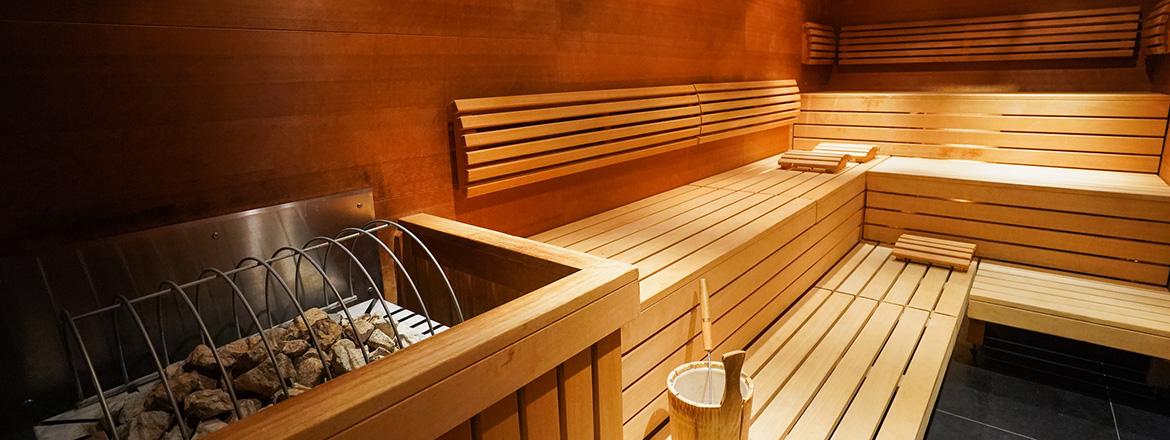
Saunas are insulated enclosures that use wood, electricity, or gas to power a heater or stove to warm up the interior to elicit sweating in users as a form of therapy or relaxation. Saunas can be built indoors or outdoors, and some are manufactured as free-standing modular units or as pre-cut lumber kits.5 Saunas can be further divided into dry saunas, steam saunas, and infrared saunas. The temperature in a dry sauna can range from 80°C to 100°C with relative humidity of 10% to 20%, whereas steam saunas are designed to operate at temperatures up to 50°C with relative humidity of 80% to 100%.6,7 Infrared saunas use infrared light and infrared waves to heat up the body without heating up the room; temperatures can range from 48°C to 60°C.8 While dry saunas are made of high quality, non-toxic wood such as hemlock, cedar, or spruce, steam rooms/steam saunas can be made of any impervious material such as ceramic tile, glass, stone, or acrylic.5,6,9 These types of wood used in dry saunas resist moisture absorption and naturally deter mould.
The conventional Finnish sauna experience consists of several hot-cold cycles, starting with 5-20 minutes in the sauna followed by a cool-off in ice water, cool shower, or simply resting at room temperature.10 Finnish saunas may have periods of increased humidity from splashing water over heated rocks.2
Regulatory practices
Saunas are typically found in public and semi-public facilities such as swimming pools, hotels, spas, and gyms. The design, construction, operation, maintenance, and regulatory requirements for safe operation of these facilities fall under the jurisdiction of various agencies, such as municipalities, ministries, and public health agencies. Several jurisdictions around the world have developed regulations and guidelines specific to saunas that ensure the proper construction and operation of such facilities to protect the safety of users.6,11-13 Most of these regulations and guidelines address equipment choices and operational standards, construction materials and methods, and safety considerations for combustion devices, steam and water pipes, and ventilation.
In Canada, national and regional building codes also exist that specify general requirements for a facility and specific requirement for aspects of heating and electrical systems used in saunas. Sauna heating equipment in regulated sites must conform to the Canadian Standards Association (CSA) or the American National Standards Institute (ANSI) standards:
- ANSI - IEC 60335-2-53 Ed. 4.1 b:2017 Household and similar electrical appliances - Safety - Part 2-53: Particular requirements for sauna heating appliances and infrared cabins
- CSA - Household and Similar Electrical Appliances - Safety - Part 2-53: Particular Requirements for Sauna Heating Appliances
- CSA C22.2 NO. 164:18 (R2022) Electric sauna heating equipment
Regulatory compliance practices for the safe and healthy operation of saunas vary across Canada. In some jurisdictions, saunas are covered under swimming pool regulations, while other provinces include saunas broadly in regulatory language governing personal service settings. In other provinces, saunas are not regulated and are only inspected on a complaint basis.
Some jurisdictions stipulate maximum temperatures for dry and steam saunas; for example, in Alberta, the maximum temperature in dry saunas must not be greater than 85°C, and in steam saunas the maximum temperature must not be greater than 60°C.14 The Alberta regulations also require operators to measure and record the ambient air temperature in saunas at least once every 24 hours when in use. Table 1 lists provincial and territorial regulations and guidelines in Canada that reference saunas and any associated operational requirements.
Table 1. Provincial regulations and guidelines referencing saunas and associated requirements
|
Province/Territory |
Regulations and operating standards |
Requirements related to saunas |
|
AB |
|
|
|
NS |
|
|
|
BC |
|
|
|
SK |
|
|
|
YT |
|
|
|
NWT |
|
Health risks associated with saunas
Several types of health risks may be found in the dry and steam sauna environment, including microbiological, physical, and chemical hazards. Adverse physiological effects may also arise from heat exposure in saunas. Although building standards and regulations aim to reduce some of physiological and physical hazards, others are still worth consideration.
Microbiological hazards
The main microbiological hazards in sauna settings are primarily from the shedding of fecal and non-fecal organic matter from users, including bodily fluids. Escherichia coli, which is an indicator of fecal bacteria, has been found in some sauna environmental samples.21 Two Finnish studies on environmental hygiene in swimming pool environments found that lower benches in saunas had high total aerobic microbial colony counts.22,23 Pathogens such as Molluscipoxvirus (causes molluscum contagiosum), papillomavirus (plantar wart), Epidermophyton floccosum, and various species of fungi in the genus Trichophyton (cause fungal infections and athlete’s foot) may also be transmitted via physical contact with contaminated surfaces in saunas.24,25 Pseudomonas aeruginosa is commonly associated with swimming pools and hot tubs with inadequate chlorine disinfection, and cross-contamination into sauna environments may occur. Another pathogen commonly associated with recreational water facilities is Staphylococcus aureus. A methicillin-resistant Staphylococcus aureus (MRSA) outbreak involving 17 cases in a communal religious group was found to be associated with using the community sauna.26 A total of 47 environmental samples were analyzed. Only one environmental sample from a computer keyboard used by a case-patient yielded the same MRSA strain as the outbreak strain. However, 12 environmental samples from the sauna area, including benches, floor, changing room, door handle, and walls yielded MRSA and methicillin-sensitive S. aureus (MSSA) that differed from the outbreak strain. No other environmental samples exhibited growth of S. aureus.26 The outbreak ended after closure of the sauna and environmental cleaning as well as treatment of case-patients and contacts. Other potential contributing factors to the outbreak include compromised skin barriers, previous personal use of antimicrobials, porous nature of the plywood walls, cedar benches, and concrete floors that have a tendency to retain moisture, as well as a lack of policies around pre-sauna showers and seating barriers such as clean towels on the benches. Although the strains found in the sauna environment did not match the outbreak strain, the sampling outcomes indicate that S. aureus is able to survive on sauna surfaces even in elevated heat and infect those with compromised skin barriers.27 Other opportunistic microorganisms may also be brought in by user traffic, and additional contaminants may be introduced via dirt from the bodies of patrons before bathing, unclean bathing costumes, cosmetics, oils, lotions, and sunscreen.28
The humid conditions in steam saunas also provide an ideal environment for the growth of fungi. Mould can damage wood surfaces and pose health risks for sauna users. A study sampled various surfaces and personal tools used in a Turkish hammam.21 Among the samples, slippers, floors, body shaving area, and massage platform were found to harbour the most fungal species. In other parts of the sauna, fungal species were relatively low, possibly due to the elevated temperatures of the hammam.21
Another concern in steam saunas is the presence of Legionella species in the steam, which have been associated with public and semi-public spas, hot tubs, and saunas.24,29,30 In the Netherlands, six cases of legionellosis were found to be associated with a sauna, with two fatalities.29
Physical hazards
Slips, trips, and falls from wet flooring and steps are one of the main causes of injuries in saunas.31 An analysis of visits to a level one trauma centre in Austria between 2005 and 2021 revealed that 209 patients had injuries linked to sauna bathing, and the most common cause of injuries was slips/falls, followed by dizziness/fainting as the second most common cause of injuries.32 Many patients mentioned wet floors as the reason for the slip/fall. Another potential hazard is burns from accidental contact with hot surfaces such as the heater.31 Hot air sauna burns have also been reported, typically in users who lost consciousness in a sauna and had been exposed to hot air for 30 minutes to an hour.33
Infrared (IR) saunas emit infrared light, also known as thermal radiation, a non-ionizing radiation with wavelengths between 750 nm and 100,000 nm.34 Infrared radiation can be further divided into three categories: near-infrared/IR-A (780-1400 nm), mid-infrared/IR-B (1400-3000 nm), and far-infrared/IR-C (3000-100,000 nm).35 Most infrared saunas use far-infrared radiation as it penetrates deeper, up to 1.5 inches into the body.34,36 Heat strain and discomfort usually limit duration of exposure to infrared radiation, particularly for devices that emit far-infrared radiation such as infrared saunas, which prevents skin injury.37 However, some medications, drugs, and alcohol may decrease pain sensations induced by heightened skin temperatures.37 More research is necessary to determine whether infrared light used in infrared saunas poses health risks to users.
Due to the high temperatures, materials, and insulation, saunas are high fire hazard areas. The Electrical Safety Authority in Ontario reported that from 2011 to 2021, there were three fatalities associated with sauna fires due to incorrectly or improperly installed components during repairs.38 As many saunas are built indoors as a part of the building, without appropriate fire suppression or fire compartmentalization, fires can easily spread to other parts of the building.31 There are several factors that increase the risk of fire within saunas:31,38
- Improper installation of sauna elements such as the heater, walls, and benches
- Lack of fire-resistant boarding or distance between the heater/heating elements and the timber elements
- Lack of barrier to prevent heating elements from coming into contact with objects from falling on top or being placed over them
- Inappropriate electrical installations that are not suitable for the operation of the sauna
- Lack of fire compartmentalization between the sauna and the rest of the building
- Lack of safety alarms or fire detection/suppression systems within the sauna and the surrounding areas
- Insufficient or improper electrical inspections, testing, repairs, and maintenance
Chemical hazards
Potential chemical hazards in saunas include using inappropriate cleaning and disinfection products in the sauna, and chemicals such as volatile organic compounds that may be released from materials used in saunas in high temperature conditions. In conventional Finnish saunas, only high-quality wood that has not been exposed to chemicals, paints, or wood preservatives should be used. Processed wood such as particle board, plywood, or paneling that contains glue or other chemical treatments should not be used.
Carbon monoxide (CO) is a poisonous odourless, colourless, and flammable gas that causes symptoms such as headache, dizziness, weakness, upset stomach, vomiting, chest pain, and confusion. Inhaling a large amount of CO can cause fainting or death.39 If the sauna is not properly ventilated, carbon monoxide from gas or wood-burning sauna heaters can build up and cause illness or death, or may lead to fires or explosions.13
Adverse physiological effects
Sauna bathing exposes users to a brief period of intense heat that has several physiological effects including elevated skin and core temperatures, which activate the sympathetic nervous system and lead to increased heart rate, skin blood flow, cardiac output, and perspiration.2 The elevated humidity in steam saunas slows the evaporation of sweat from the surface of the skin.40 As such, compared to dry saunas, steam saunas may lead to lower loss of water and body mass, greater increase in rectal temperature, and greater increase in heart rate, which are indicators for increased heat strain.40 Both dry and steam saunas led to similar increases in systolic blood pressure, but greater decrease of diastolic blood pressure in the steam sauna.40 Heat strain as calculated using the physiological strain index (PSI), and cumulative heat strain index (CHSI) indicated greater heat strain during steam sauna use.40
While regular dry sauna use has been associated with symptom improvements of health conditions in some studies, several adverse outcomes have also been reported.2,10 These include myocardial ischemia (especially in patients with unstable coronary artery disease), hypersensitivity pneumonitis (“sauna lung”), non-exertional heatstroke, rhabdomyolysis (muscle dissolution), ocular irritations, sauna stroke syndrome, and death.2 High temperatures may lead to drowsiness and unconsciousness especially when combined with alcohol, or may cause heat strokes, heat exhaustion, heat syncope, hyperthermia, and even death.41-43 The literature cites several incidents of heat stroke in individuals ranging from ages 26 to 79 after prolonged exposure in saunas (ranging from 25 minutes to three hours, or of unknown duration).44 Some of the individuals were found deceased or died after arriving at the hospital. Incidents of fainting and angina attacks (chest tightness or pain) have also been reported in adults and children.3 Thermoregulation in children is not as well-developed as in adults due to the much higher surface area-to-mass ratio and lower sweating rate per sweat gland in children.45 As such, children are more susceptible to heat strain and heat-related illnesses.45,46 A study involving 81 subjects ranging in age from two to 40 found that after 10 minutes in a climatic chamber at 70°C with relative humidity of 20%, the increase of rectal temperature and heart rate was greater in children less than 10 years of age.46 Two children experienced syncope as a result of significant decrease in blood pressure.46
Other sauna-related deaths have also been reported, with alcohol and heart disease being the risk factors.3 Studies examining the risk of death in frequent sauna users in Sweden and Finland found that at least half of the deaths involved alcohol use and unaccompanied sauna bathing.42,43 A systematic review revealed that adverse signs and symptoms from sauna use include mild to moderate heat discomfort and intolerance, low blood pressure and light-headedness, transient leg pain, airway irritation, and claustrophobia.2 People with chronic fatigue syndrome, chronic pain, rheumatoid arthritis, and ankylosing spondylitis, all of which are associated with inflammation and abnormal immune responses, tend to report greater degrees of heat intolerance.2 Other health conditions that may be triggered or exacerbated by high heat exposure include ischemic heart disease, cardiac dysrhythmias, ischemic stroke, asthma and chronic obstructive pulmonary disease, respiratory tract infections, hyperglycemia, kidney failure, and neuropsychiatric disorders.41 Adverse birth outcomes such as preterm delivery and low birth weight may also be triggered by high heat exposure.41 Another study found that heat stress may cause deleterious effects on the counts, concentration, and motility of sperm in healthy men.47
Saunas used in conjunction with cold plunge tanks may contribute to additional health risks, particularly for people with underlying health conditions. Sudden exposure to cold water triggers the “cold shock response,” which causes an increase in breathing, heart rate, and blood pressure, and places stress on the heart, which can lead to non-fatal arrhythmias or cardiac arrest and death.3,48 Other adverse reactions to cold water include temporary peripheral paralysis and muscle failure, loss of coordination, muscle cramps, and loss of consciousness.24,48 Rapid cooling of the body after sauna use may cause sudden vasoconstriction of the skin, leading to an increase in systolic blood pressure and a reflex decrease in heart rate. As such, individuals with hypertension should avoid sudden cooling after sauna use.40
Strategies for hazard reduction and mitigation in saunas
The rapid scan of available guidance identified various recommendations and measures that can be used to reduce health hazards related to sauna operation. The following sections summarize some of these measures but do not supersede local regulatory or health and safety requirements for specific venues and are provided for informational purposes only.
Engineering controls
Moisture control
To prevent excessive moisture and potential for mould growth in saunas, moisture control is necessary. While dry saunas are low humidity environments, improper installation may cause warm air to penetrate wood and condensate. Over time, this can lead to mould growth and structural damage. Available guidance on moisture control includes various measures. High quality, non-toxic wood such as hemlock, cedar, and spruce naturally resist moisture absorption and deter mould growth.9 Installing a vapour barrier would prevent condensation and mould in the wood walls and ceilings.49 Other design features to control humidity and encourage air flow include sloped flooring toward drainage, sloped ceiling to avoid dripping of condensate, and elevated benches with gaps or slats.6,9,13
Current guidance also suggests that saunas should be equipped with vents to aid in air flow and enhance ventilation and comfort. Sauna designers and manufacturers should be consulted for the appropriate ventilation instructions, such as when to open the intake and exhaust vents and when to open the door to allow the sauna to dry.9 Some saunas are equipped with a lower intake vent and an upper exhaust vent, while others may only have one vent. Infrared saunas differ from traditional Finnish and steam saunas in that no steam is generated, and as such have lower humidity and reduced risk of mould growth.9
Outdoor saunas may require special considerations due to their exposure to weather elements. Apart from maintaining ventilation and airflow, other common recommendations include sealing the exterior wood with a weather-resistant finish, ensuring proper drainage around the exterior of the sauna base, and checking for leaks in the roof and joints regularly.50
Legionella prevention
Legionella thrives in warm temperatures (e.g., 25-45°C) but can persist at up to 60°C or slightly higher in some circumstances. The generation of aerosols of Legionella-contaminated water in warm settings can pose a risk to steam room users in poorly maintained settings.51 Removing elements in the water heater system that may cause standing or slow-flowing water, and using an approved water source can reduce the risk of Legionella growth in steam saunas.29 A water safety plan (WSP), developed with the steam sauna designer, facility operator, maintenance staff, EPHP, and other relevant partners, can help to identify areas or devices that may support the growth of Legionella and determine control measures.30 The WSP should include details such as cleaning and disinfection frequency, sampling frequency, and corrective actions should Legionella be detected.30 Additional details on WSPs for Legionella prevention can be found in the Ontario Ministry of Health’s Legionella Investigation Reference Document.
Fire prevention
There are numerous aspects of the sauna environment that may contribute to fire hazards, including the electrical systems, construction materials, and fire detection and suppression systems. Many of these do not fall under the purview of EPHPs and as such are not covered in this document. EPHPs should consult relevant fire safety requirements and regulations for their jurisdiction. For more information, the “Safe use of saunas” document provides more detail on how to manage the risk of fire in sauna facilities.31
User injury prevention
Suggested measures to reduce the risk of slips and falls include ensuring that floors are constructed of a non-slip material.6 Users can also be advised to wear slip-resistant footwear.32 Adequate lighting can allow patrons to see the exit door and signage clearly, and glazed panels on sauna doors allows for supervision and safe access by staff. It is also advised that sauna doors have both interior and exterior handles with no locking mechanism.6 An alarm system in the sauna linked to a staffed reception area can allow the facility operator to be alerted to problems quickly, and users should be informed on when and how to use any alarms.6 Operators should also have a written response protocol for when an alarm is activated in emergencies such as entrapped users or overheated users.14
Additional advice on how to prevent heat exhaustion and excessive heat exposure includes placing a thermometer inside the sauna or steam room to monitor the temperature, and ensuring a clock or timer is visible to monitor duration of time spent in the sauna.6 Users should be advised to hydrate during sauna bathing.32 To prevent accidental burns, heaters and heating elements should be concealed or surrounded by a barrier or fence.31
Construction materials
Public Health Ontario’s Guide to Infection Prevention and Control in Personal Service Settings document provides recommendations on the construction materials used in personal service settings such as saunas.52 Surfaces and finishes within saunas that come into contact with users should be constructed of materials that are easily cleanable with no seams or pores, such as no fabric, hidden hinges, or unsealed wood. Surfaces and finishes should be compatible with the cleaning and disinfectant products used. Floors, walls, ceilings, fixtures, furniture, and other surfaces should be in good repair, easily cleanable, of a smooth and impermeable material, and maintained in a sanitary condition.52
Administrative controls
Cleaning and disinfecting protocols
When determining the appropriate cleaning and disinfecting protocols for saunas, it is necessary to classify the risk level of environmental surfaces within the sauna and its surroundings. The classification is based on the likelihood of the surfaces to act as a fomite that can become contaminated with infectious agents such as bacteria, viruses, or fungi that may be transferred to sauna users via surface contact.52 At operating temperatures of 80°C-100°C (dry saunas), 48°C-60°C (infrared saunas), and 50°C (steam saunas), most bacteria are destroyed or suppressed except for thermophilic bacteria and spore-forming bacteria.53 Nevertheless, as microbial inactivation is not instantaneous, transmission is still possible in shared sauna spaces. Operators should have a sanitation plan detailing the frequency and disinfectant products used, as well as logs of the cleaning and disinfection schedule.
Public Health Ontario’s Guide to Infection Prevention and Control in Personal Service Settings document classifies environmental surfaces in some PSEs as either low-risk or high-risk. Low-risk surfaces are potentially less likely to be contaminated with or to come in contact with blood and/or other body fluids or non-intact skin. As such they are less likely to transmit microorganisms. High-risk surfaces are more likely to become contaminated with blood and/or other body fluids or contact non-intact skin.52 Considerations to reduce the risk of sauna surfaces include the use of swimwear and/or towels. Only low-level disinfectants should be used for environmental surfaces that only contact hair or intact skin. Low-level disinfection destroys vegetative bacteria and some fungi and viruses but not mycobacteria or spores.52 The cleaning and disinfection schedule for low-risk and high-risk surfaces are as follows:52
- Low-risk: cleaned and disinfected with a low-level disinfectant when they are visibly soiled and at least once per day.
- High-risk: cleaned and disinfected with a low-level disinfectant between clients and when surfaces are visibly soiled.
Walls, floors, and ceilings have a low risk of contamination and transmission and should be cleaned according to a fixed schedule and when visibly soiled.
Cleaning and disinfecting procedures outlined in the Ontario guidance for low- and high-risk surfaces are described below.52 It is important to note that high-level disinfectants should not be used for environmental surfaces as they are highly toxic and strongly irritating to skin and lungs, and should not be used for disinfection of environmental surfaces.52,54,55
If using a detergent cleaner followed by a low-level disinfectant:
- Manually clean with friction and rinse to remove visible soil.
- Use a low-level disinfectant as listed in Appendix E of the Guide to Infection Prevention and Control in Personal Service Settings Follow manufacturer’s instructions for contact time and disinfectant dilution.
- Follow manufacturer’s instructions on whether to rinse the surface or wipe with a damp clean cloth to remove residual disinfectant.
If using a one-step cleaner/disinfectant:
- Clean and disinfect the surface using friction and follow manufacturer’s instructions for appropriate contact time. See Appendix E of the Guide to Infection Prevention and Control in Personal Service Settings
- Follow manufacturer’s instructions on whether to rinse the surface or wipe with a damp clean cloth to remove residual disinfectant.
Personal hygiene
Some guidance suggests specifying rules on user-hygiene prior to using saunas, and may recommend excluding users with infectious diseases that could pose a risk to other sauna users.24,28 Pre-sauna showers help to remove traces of sweat, urine, fecal matter, cosmetics, and other contaminants.24 Requiring the use of appropriate clothing or swimwear and towels on sauna seats also prevents risk of burns and the introduction of contaminants onto surfaces.
Preventing excessive heat exposure
To prevent heat exhaustion and excessive heat exposure, temperature logs should be maintained. Recommended temperature limits range from 80 to 85°C for dry saunas, 50 to 60°C for steam saunas, and 60°C for infrared saunas.3,14 Users should also be advised on the recommended maximum length of stay in saunas. For certain individuals, even 10 minutes may be too long. Healthy individuals should consider limiting their sauna duration to 10-15 minutes.3 Certain populations should consider limiting their sauna durations to 5-10 minutes:3,14
- Persons with cardiovascular disease, hypertension, seizure disorders, diabetes, or significant obesity.
- Persons who have ingested alcohol, narcotic drugs, or medications that may result in drowsiness or interfere with the body’s temperature-regulating mechanism.
- Persons over 65 years of age.
- Pregnant women in the first trimester of pregnancy.
In facilities where saunas are used in conjunction with cold plunge tanks, temperature extremes should be avoided by those with medical conditions, pregnant women, and young children.24 No guidance on the suggested duration of sauna use was found for children; however, children are more susceptible to heat-related illness, and should always be supervised in saunas.
Signage
Signage can be used to convey health and safety rules to patrons, and where used, should be posted in a clearly visible place. Signage can include advice on:6
- Temperature ranges for dry and steam saunas
- Recommended duration in dry and steam saunas
- Pre-sauna showers
- Use of towels on sauna surfaces
- Use of appropriate clothing and swimwear
- Recommended duration in cold plunge tanks (if any)
- Location of fire alarms and emergency devices
- Limiting use by individuals with medical conditions and pregnant women
- Limiting alcohol and drug use prior to using sauna facilities
- Reminding users to hydrate while sauna bathing
Summary
Saunas can offer numerous health and wellness benefits, but they also present a range of hazards that require careful management. Evidence from literature highlights the importance of implementing robust engineering and administrative controls to mitigate risk and reduce human health hazards. Key measures include proper design and ventilation, strict temperature monitoring, effective cleaning and disinfection protocols, fire safety precautions, and clear signage to inform and protect users.
Environmental public health professionals play a critical role in ensuring that facilities adhere to these standards through routine inspections, documentation review, and risk assessments. While regulatory practices vary across jurisdictions, developing and adopting best practices for hygiene, safety, and operational oversight can significantly reduce health risks and enhance user safety. Moving forward, harmonized guidelines and proactive collaboration between environmental public health and operators will be essential to maintain safe sauna environments and protect public health.
Acknowledgements
We acknowledge the valued input from those who assisted in the production and review of this document, including Juliette O’Keeffe, NCCEH; Michele Wiens, NCCEH; Kevin Jeroncic, Alberta Health Services; Kelly Briscoe, Public Health Ontario; Vince Spilchuk, Public Health Ontario; David Ryding, Public Health Ontario; and Raymond Gullekson, Public Health Ontario.
Appendix A
A combination of the search terms below was used to find relevant literature:
SAUNA OR “steam bath” OR firebath OR “thermal bath” OR “Turkish bath” OR “sweat bath” OR “steam room” OR “Russian bath” OR bathhouse OR hummum OR hammam OR bagnio OR “Japanese bath” OR “Scandinavian bath” OR “Swedish bath” OR “finnish bath”
AND
Hazard OR danger OR risk OR shock OR mould OR fungi OR bacteria OR burn OR slip OR fall OR fire OR off-gas OR off-gassing OR off-gasing OR dehydration OR dehydrate OR cardiovascular OR “heart attack” OR “myocardial infarction” OR “angina pectoris” OR cardiac OR angina OR injury OR scrape OR “aortic stenosis” OR dermatitis OR “dry skin” OR shock OR vomit OR illness OR infection OR infect OR dizzy OR dizziness OR dryness OR respiratory OR lung OR eye OR “blood pressure” OR faint OR asthma OR epilepsy OR pregnant OR pregnancy OR death OR harm OR harmful OR headache OR migraine OR symptom OR symptoms OR sperm OR disease OR hypotension OR arrhythmia OR embolism OR legionella OR legionellosis OR legionnaire’s OR psychotic OR psychological OR disorder
Inspect OR inspection
AND
Structure OR design OR sanitation OR cleanliness OR clean OR cleaning OR sanitize OR sanitization OR wash OR maintain OR maintenance OR safety OR safe
Design
AND
Heat OR heating OR temperature OR humidity OR ventilation OR ventilate OR drain OR drainage OR material
Additional keywords used to search for relevant literature in Google Scholar and Google include:
Sauna AND equipment certification
Sauna AND guidelines OR guidance
Sauna AND outbreak
Children AND sauna
“Infrared radiation” AND (risk OR hazard)
References
- Wilford JN. Before rome's baths, there was the Maya sweat house. New York, NY: The New York Times; 2001 Mar 20. Available from: https://www.nytimes.com/2001/03/20/science/before-rome-s-baths-there-was-the-maya-sweat-house.html.
- Hussain J, Cohen M. Clinical effects of regular dry sauna bathing: a systematic review. Evid Based Complement Alternat Med. 2018(1):1857413.Available from: https://doi.org/10.1155/2018/1857413.
- Press E. The health hazards of saunas and spas and how to minimize them. Am J Public Health. 1991;81(8):1034-7.Available from: https://ajph.aphapublications.org/doi/abs/10.2105/AJPH.81.8.1034.
- University at Buffalo REC News. Sweat it out: sauna vs. steam room. Buffalo, NY: University at Buffalo - State University of New York; 2024. Available from: https://www.buffalo.edu/recreation/rec-news.host.html/content/shared/www/recreation/rec-news/2021-2022/sweat-it-out-sauna-vs-steam-room.detail.html.
- North American Sauna Society. Sauna types. [cited 2026 Jan 18]; Available from: https://www.saunasociety.org/sauna-types.
- Southend-on-Sea City Council. Code of practice 4: saunas and steam rooms. Essex, UK: Southend-on-Sea City Council. Available from: https://www.southend.gov.uk/downloads/file/5499/code-of-practice-4-sauna-and-steam-rooms.
- Olsson B. Medical aspects on sauna bathing. Lakartidningen. 2018 Dec 18;115.Available from: https://pubmed.ncbi.nlm.nih.gov/30561752/.
- Ruff S. All you need to know about infrared saunas: The Sauna Shop; 2025: Apr 30. Available from: https://thesaunashop.ca/all-you-need-to-know-about-infrared-sauna/.
- Salus Saunas. Tips for extending the lifespan of your sauna: Salus Saunas: Jan 18. Available from: https://www.salussaunas.com/blogs/blog/tips-for-extending-the-lifespan-of-your-sauna.
- Kauppinen K. Facts and Fables about Sauna. Ann N Y Acad Sci. 1997;813(1):654-62.Available from: https://nyaspubs.onlinelibrary.wiley.com/doi/abs/10.1111/j.1749-6632.1997.tb51764.x.
- New York City. New York charter: 165.63 Sauna and Steam Rooms. New York: NY; 2025. Available from: https://codelibrary.amlegal.com/codes/newyorkcity/latest/NYCrules/0-0-0-47869.
- Palo Alto City. Palo Alto municipal code: chapter 4.56 hot tub/sauna establishments. Palo Alto: CA; 2025. Available from: https://codelibrary.amlegal.com/codes/paloalto/latest/paloalto_ca/0-0-0-64226.
- Uganda National Building Review Board. Safety guidelines for design, installation, operation and maintenance of biomass-fired sauna, steam and hot water generation equipment for health clubs. Uganda: National Building Review Board; 2023. Available from: https://nbrb.go.ug/wp-content/uploads/2023/11/GUIDELINES-FOR-HEALTHCLUB-EQUIPMENT-_Final-for-print-in-A5-format.pdf.
- Government of Alberta, Alberta Health. Pool Standards, July 2014 (amended Jan 2018). Edmonton, AB: Government of Alberta; 2018. Available from: https://open.alberta.ca/dataset/6bc9b110-3b67-4d2e-b797-ab9ee003e7a4/resource/37c20024-52c5-44f0-9faa-c8360c10b17f/download/standards-pools-2018.pdf.
- Government of Nova Scotia, Department of Health and Wellness. Nova Scotia operational guidelines for aquatic facilities. Halifax, NS: Government of Nova Scotia; 2014. Available from: https://novascotia.ca/nse/environmental-health/docs/Nova-Scotia-Operational-Aquatic-Guidelines.pdf.
- Government of British Columbia. Public Health Act - Regulated Activities Regulation. Victoria, BC: King's Printer; 2012. Available from: https://www.bclaws.gov.bc.ca/civix/document/id/complete/statreg/161_2011.
- Government of Saskatchewan, Ministry of Health. Swimming pool design and operational standards. Regina, SK: Government of Saskatchewan; 2016. Available from: https://publications.saskatchewan.ca/api/v1/products/91913/formats/108857/download.
- Government of Saskatchewan, Ministry of Health. Whirlpool design and operational standards. Regina, SK: Government of Saskatchewan; 2012. Available from: https://publications.saskatchewan.ca/api/v1/products/91914/formats/108858/download.
- Government of Yukon. Personal service establishment regulations. Whitehorse, YK: Government of Yukon; 1984. Available from: https://laws.yukon.ca/cms/images/LEGISLATION/SUBORDINATE/1984/1984-0124/1984-0124_1.pdf.
- Government of Northwest Territories. Public Health Act - Personal service establishment regulations. Yellowknife, NT: Government of Northwest Territories; 2013. Available from: https://www.justice.gov.nt.ca/en/files/legislation/public-health/public-health.r1.pdf.
- Jafari Mansoorian H, Zarei S, Khanjani N. Survey of bacterial contamination of environment of swimming pools in Yazd City, in 2013. Environ Health Eng Manag. 2015 Jul;2(3):123-8.Available from: https://papers.ssrn.com/sol3/papers.cfm?abstract_id=2685015#.
- City of Vantaa. Uimahallien pintahygienia valvontaprojekti. Vantaa, Finland: Environmental Center; 2024. Available from: https://www.vantaa.fi/sites/default/files/document/Uimahallien%20pintapuhtausprojekti%202024_korj.pdf.
- Kivikoski L. Uima-allas- ja märkätilojen pintahygienia. Helsinki, Ireland: Urban Environment Division; 2020. Available from: https://www.hel.fi/static/liitteet-2019/Kymp/kulttuuri-ja-vapaa-aika/Julkaisuja%202020_13_Uima-allastilat.pdf.
- World Health Organization. Guidelines for safe recreational water environments. Volume 2, Swimming pools and similar environments. Geneva, Switzerland: World Health Organization; 2006. Available from: https://iris.who.int/server/api/core/bitstreams/14e5fc6d-26bf-4c35-ba8d-a167a2d2e928/content.
- Barna Z, Kádár M. The risk of contracting infectious diseases in public swimming pools. A review. Ann Ist Super Sanita. 2012;48(4):374-86.Available from: https://doi.org/10.4415/ann_12_04_05.
- Coronado F, Nicholas JA, Wallace BJ, Kohlerschmidt DJ, Musser K, Schoonmaker-Bopp DJ, et al. Community-associated methicillin-resistant Staphylococcus aureus skin infections in a religious community. Epidemiol Infect. 2007 Apr;135(3):492-501.Available from: https://pubmed.ncbi.nlm.nih.gov/16870028/.
- US Centers for Disease Control and Prevention. Athletes: MRSA prevention and control. Atlanta, GA: US CDC; [updated 2025 Jun 27; cited 2026 Jan 18]; Available from: https://www.cdc.gov/mrsa/prevention/athletes.html.
- Government of Western Australia Department of Health. Code of practice for the design, construction, operation, management and maintenance of aquatic facilities. Perth, WA: Government of WA; 2024. Available from: https://www.health.wa.gov.au/~/media/Files/Corporate/general-documents/water/PDF/CoP-for-design-construction-operation-management-maintenance-aquatic-facilities.pdf.
- Den Boer JW, Yzerman E, Van Belkum A, Vlaspolder F, Van Breukelen FJM. Legionnaire's disease and saunas. Lancet. 1998;351(9096):114.Available from: https://doi.org/10.1016/S0140-6736(05)78145-9.
- Ontario Ministry of Health. Legionella investigation reference document. Toronto, ON: King’s Printer for Ontario; 2025. Available from: https://www.ontario.ca/files/2025-01/moh-ophs-legionellosis-en-2025-01-06.pdf.
- Aviva Insurance Limited. Safe use of saunas. London, UK: Aviva; 2024. Available from: https://static.aviva.io/content/dam/document-library/risk-solutions/safe_use_of_saunas_lps.pdf.
- Kaiser P, Seeher U, Krasniqi A, Keiler A, Crazzolara R, Meryk A. Injuries related to sauna bathing. Injury. 2023 Jul 1;54(7):110825.Available from: https://www.sciencedirect.com/science/article/pii/S0020138323004928.
- Koljonen V. Hot air sauna burns—review of their etiology and treatment. J Burn Care Res. 2009;30(4):705-10.Available from: https://doi.org/10.1097/BCR.0b013e3181abfa9f.
- Vatansever F, Hamblin MR. Far infrared radiation (FIR): its biological effects and medical applications. Photonics Lasers Med. 2012 Nov 1;4:255-66.Available from: https://www.degruyterbrill.com/document/doi/10.1515/plm-2012-0034/html.
- Encyclopaedia of Occupational Health Safety. Infrared radiation. Geneva, Switzerland: International Labour Organization; 2011. Available from: https://www.iloencyclopaedia.org/part-vi-16255/radiation-non-ionizing/item/654-infrared-radiation.
- Moreno JD. Far infrared sauna vs near infrared: which is right for you? Ft. Lauderdale, FL: Steam Sauna Experts; 2025: Feb 27. Available from: http://www.steamandsaunaexperts.com/7/post/2025/02/far-infrared-sauna-vs-near-infrared.html.
- International Commission on Non-Ionizing Radiation Protection. ICNIRP statement on far infrared radiation exposure. Health Phys. 2006;91(6).Available from: https://journals.lww.com/health-physics/fulltext/2006/12000/icnirp_statement_on_far_infrared_radiation.15.aspx.
- Electrical Safety Authority. The office of the fire marshal and emergency management and the electrical safety authority warn of safety issues associated with electric saunas. Mississauga, ON: ESA; 2022 May. Available from: https://esasafe.com/assets/files/esasafe/pdf/Electrical_Safety_Products/Flash_Notices/22-32-FL.pdf.
- US Centers for Disease Control and Prevention. Carbon monoxide poisoning basics. Atlanta, GA: US CDC; [updated 2026 01 12; cited 2026 Jan 18]; Available from: https://www.cdc.gov/carbon-monoxide/about/index.html.
- Pilch W, Szygula Z, Palka T, Pilch P, Cison T, Wiecha S, et al. Comparison of physiological reactions and physiological strain in healthy men under heat stress in dry and steam heat saunas. Biol Sport. 2014 Jun;31(2):145-9.Available from: https://doi.org/10.5604/20831862.1099045.
- Sorensen C, Hess J. Treatment and Prevention of Heat-Related Illness. N Engl J Med. 2022;387(15):1404-13.Available from: https://www.nejm.org/doi/full/10.1056/NEJMcp2210623.
- Kenttämies A, Karkola K. Death in sauna. J Forensic Sci. 2008 May;53(3):724-9.Available from: https://doi.org/10.1111/j.1556-4029.2008.00703.x.
- Rodhe A, Eriksson A. Sauna deaths in Sweden, 1992-2003. Am J Forensic Med Pathol. 2008 Mar;29(1):27-31.Available from: https://doi.org/10.1097/paf.0b013e318145ae05.
- McIver WJ, Zia M. Severe heat stroke with multiorgan failure following collapse in a sauna. BMJ Case Reports. 2025;18(1):e262069.Available from: https://casereports.bmj.com/content/bmjcr/18/1/e262069.full.pdf.
- Falk B. Effects of thermal stress during rest and exercise in the paediatric population. Sports Med. 1998 Apr 1;25(4):221-40.Available from: https://doi.org/10.2165/00007256-199825040-00002.
- Jokinen E, Välimäki I, Antila K, Seppänen A, Tuominen J. Children in Sauna: Cardiovascular Adjustment. Pediatrics. 1990;86(2):282-8.Available from: https://doi.org/10.1542/peds.86.2.282.
- Garolla A, Torino M, Sartini B, Cosci I, Patassini C, Carraro U, et al. Seminal and molecular evidence that sauna exposure affects human spermatogenesis. Hum Reprod. 2013 Apr;28(4):877-85.Available from: https://doi.org/10.1093/humrep/det020.
- Chen T. Cold plunge tanks: considerations for environmental public health. Vancouver, BC: National Collaborating Centre for Environmental Health; 2024. Available from: https://ncceh.ca/resources/evidence-briefs/cold-plunge-tanks-considerations-environmental-public-health.
- Fokin V. Moisture barrier. Bilohorodka, Kyivs'ka oblast: Saunaburg; 2024: Sep 11. Available from: https://saunaburg.com/blogs/wiki/moisture-barrier-1.
- SaunaFin. How to maintain your outdoor sauna kit in Canada’s changing seasons. Concord, ON: SaunaFin; 2024 Nov 26. Available from: https://www.saunafin.com/blog/how-to-maintain-your-outdoor-sauna-kit-in-canada%E2%80%99s-changing-seasons/.
- O'Keeffe J. From cooling towers to splash pads – Staying safe while keeping cool. Vancouver, BC: National Collaborating Centre for Environmental Health; 2025. Available from: https://ncceh.ca/resources/blog/cooling-towers-splash-pads-staying-safe-while-keeping-cool.
- Ontario Agency for Health Protection and Promotion (Public Health Ontario). Guide to infection prevention and control in personal service settings. 3rd ed, 1st revision. Toronto, ON: Queen's Printer for Ontario; 2019. Available from: https://www.publichealthontario.ca/-/media/documents/G/2019/guide-ipac-personal-service-settings.pdf.
- Kim BS, Seo JR, Park DH. Variation and characterization of bacterial communities contaminating two saunas operated at 64°c and 76°c. J Bacteriol Viral. 2013 02;43(3):195-203.Available from: http://dx.doi.org/10.4167/jbv.2013.43.3.195.
- Public Services Health and Safety Association. Cleaning and disinfection of environmental surfaces: Public Services Health and Safety Association; 2025 Jun. Available from: https://www.pshsa.ca/wp-content/uploads/2025/06/PSHAS-Cleaning-and-Disinfection-of-Environmental-Surfaces-IENFCAEN0313.pdf.
- US Centers for Disease Control and Prevention. Best practices for environmental infection prevention and control. Atlanta, GA: US CDC; [updated 2024 May 15; cited 2026 Jan 18]; Available from: https://www.cdc.gov/dental-infection-control/hcp/dental-ipc-faqs/cleaning-disinfecting-environmental-surface.html.
Citation
Related Resources


Environmental factors associated with freshwater recreational water quality in Toronto and Niagara
 view
view