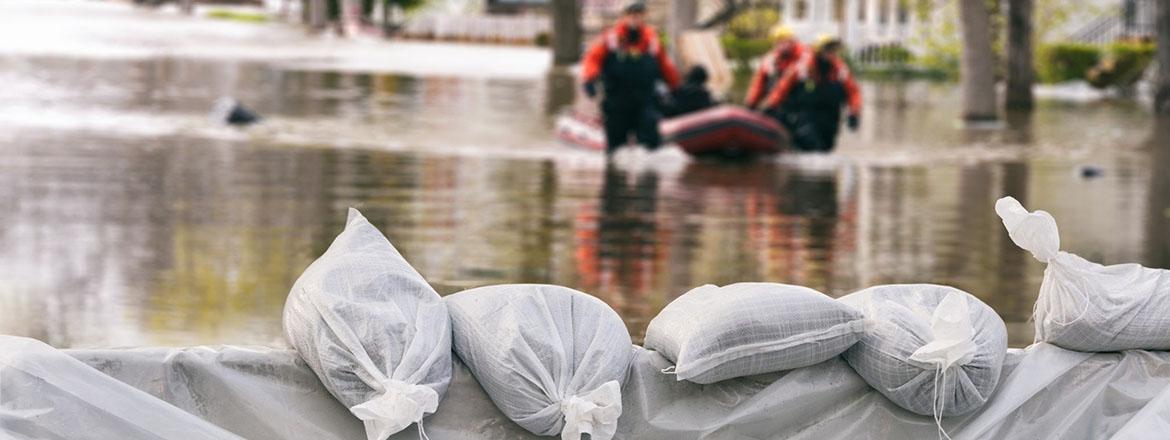
This annotated bibliography presents the findings of a systematic review of literature reporting on health impacts that extend beyond the early recovery stage for communities that have experienced evacuations due to climate-related events including wildfires, floods, landslides, or major storms. The review was limited to peer-reviewed studies and grey literature on recent events (past 10 years) that have occurred in Canada. A total of 21 references were identified, with 18 pertaining to evacuations due to wildfires and three pertaining to floods. Most of the studies reviewed were qualitative or cross-sectional in design. No cohort studies specifically designed to examine the long-term impacts of evacuation were identified. The key findings of the review are summarized below.
Health effects - Persistent and elevated mental health burden, with markedly high rates of post-traumatic stress disorder (PTSD), major depressive disorder (MDD), generalized anxiety disorder (GAD), insomnia, and substance use that remained elevated up to five years after the event.
- Physical health impacts (e.g., sleep disturbances, respiratory symptoms, chronic disease, weight changes, diabetes) and cognitive impairments (memory, concentration, flashbacks) up to at least three years post-evacuation.
- Reduced social engagement, poor community support, financial strain, employment disruption, and insurance challenges were often reported, contributing to poorer mental health following evacuation.
- Increased substance use, including alcohol, drug, and smoking relapse were observed.
- Increased food insecurity and nutritional disruptions, particularly among Indigenous communities and families with infants. Reported impacts included loss of access to traditional foods, such as disruptions to hunting, fishing, and local ecosystems, reliance on food assistance, and disruptions to breastfeeding and infant feeding practices.
- Compounding stressors such as economic downturns, fear of recurrence, and prolonged displacement amplified impacts and contributed to psychological distress and difficulty returning to normal life.
Health disparities - Pre-existing vulnerabilities amplified adverse outcomes. Individuals with prior mental illness, poorer baseline health, financial stress, or previous trauma experienced disproportionately worse mental health outcomes after evacuation.
- Access to mental health services was limited by barriers such preference for self-management, limited awareness of available services, disruption to healthcare access, and limited social support. Lower uptake was observed among men, ethnic minorities, older adults, and those with lower educational attainment.
- Indigenous communities and Elders, people with disabilities, unhoused individuals, pregnant people, and long-term care residents experienced increased vulnerability due to evacuation-related disruptions.
- Structural and systemic inequities exacerbate health and social impacts in Indigenous communities, including language barriers, racism, cultural disconnection, lack of culturally appropriate services, and exclusion from decision-making.
- Lack of access to transportation, financial resources, food (especially traditional foods), healthcare continuity, and emergency planning capacity led to unequal exposure to risks and reduced recovery opportunities, particularly in remote and marginalized communities.
Recommendations - Provide long-term mental health supports and follow-up. Several studies emphasized the need for sustained access to counseling, trauma-informed care, psychosocial supports, and ongoing monitoring after evacuations.
- Expand accessible mental health service delivery. Recommendations included increasing access to low-cost, location-independent, online, and self-directed mental health interventions to support recovery over the long term.
- Prioritize early identification and support for individuals at elevated risk of mental health impacts. Studies recommended targeted outreach and follow-up for people with pre-existing mental health conditions, limited social support, and financial hardship.
- Facilitate family and community continuity and reunification. Keep families together during evacuations when possible, and maintain continuity of health, education, and social services.
- Strengthen community resilience through peer support and psychosocial programming. Peer mentorship, counseling, psychoeducation, mindfulness programs, and school-based mental health initiatives were frequently recommended.
- Support culturally safe and community-led recovery. Several studies recommended incorporating Indigenous knowledge, supporting cultural practices, maintaining access to traditional foods, and ensuring Indigenous leadership in recovery planning and service delivery.
- Promote social connection and opportunities for collective healing, such as community gatherings, supportive spaces, and debriefing activities to help restore social networks and reduce isolation following evacuation.
- Address ongoing financial stressors and material needs. Simplify access to financial assistance, ensure timely reimbursement of expenses, and provide food and housing supports to support positive outcomes.
|



 view
view
 view
view view
view view
view